Storieta
English
Save & sign up

About this book

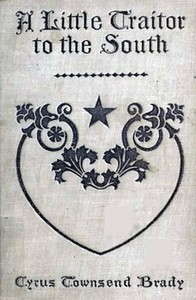
This work is a Civil‑War novel that mixes a light‑hearted romance with a somber vignette about a Confederate torpedo boat. The author opens by memorializing the doomed crew of the David, a “death trap” that sank near the Housatonic in Charleston harbor, and he frames their sacrifice as a “splendid exhibition of American heroism.” After this factual preface the narrative shifts to a love story set in the same city, where Miss Fanny Glen, a nurse‑turned‑hospital chief, becomes the object of affection for two Southern officers, Rhett Sempland and Harry Lacy. Their rivalry, the heroine’s indecision, and the backdrop of blockades and battlefield exploits establish a plot that intertwines personal intrigue with the larger drama of 1861‑65.

The prose reflects early‑20th‑century diction, with elaborate sentences, occasional archaic phrasing, and a tone that oscillates between earnest commemoration and tongue‑in‑cheek satire. Readers who enjoy historical fiction that foregrounds Confederate society, the romantic melodrama of wartime courts, and a narrator who openly praises Southern valor will find this novel engaging. It also appeals to those who appreciate a blend of comedy and tragedy set against a meticulously described Civil‑War milieu.

Characters in this book

  • Miss Fanny GlenYoung Southern lady, auburn hair in a modest bonnet, high‑collar dress, delicate features
  • Rhett SemplandTall Confederate officer, dark hair, trimmed beard, uniform with gold epaulettes, confident posture
  • Lieutenant George F. DixonMid‑30s officer, short cropped hair, crisp gray coat, stern expression, side‑burns

The opening · free to read

"The tragic interlude" in this little war-time comedy of the affections really happened as I have described it. The men who went to their death beside the Housatonic in Charleston harbor were Lieutenant George F. Dixon of the Twenty-first Alabama Infantry, in command; Captain J. F. Carlson of Wagoner's Battery; and Seamen Becker, Simpkins, Wicks, Collins, and Ridgway of the Confederate Navy, all volunteers. These names should be written in letters of gold on the roll of heroes. No more gallant exploit was ever performed. The qualities and characteristics of that death trap, the David, were well known to everybody. The history of former attempts to work her is accurately set down in the text of the story. Dixon and his men should be remembered with Decatur, Cushing, Nields, and Hobson.

The torpedo boat was found after the war lying on the bottom of the harbor, about one hundred feet from the wreck of the Housatonic, with her bow pointing toward the sloop of war and with every man of her crew dead at his post,--just as they all expected.

I shall be happy if this novel serves to call renewed attention to this splendid exhibition of American heroism. Had they not fought for a cause which was lost they would still be remembered, as, in any event, they ought to be.

For the rest, here is a love story in which the beautiful Southern girl does not espouse the brave Union soldier, or the beautiful Northern girl the brave Southern soldier. They were all Southern, all true to the South, and they all stayed so except Admiral Vernon, and he does not count.

CYRUS TOWNSEND BRADY.

BROOKLYN, N.Y., February, 1904.

The book keeps going

Keep reading, and see it illustrated

Reading is free forever. Sign up and watch scenes appear while you read.

Illustrated scene from FrankensteinIllustrated scene from The Great GatsbyIllustrated scene from Pride and Prejudice

Scenes Storieta drew for other classics.

New illustrated classics

A new classic, drawn, in your inbox.

Once or twice a month: the latest books to get full character casts, scene art, and free comic editions. No account needed.