Storieta
Save & sign up

About this book

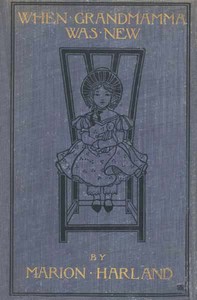
When Grandmamma Was New is a juvenile fiction work that blends Christian moral instruction with vivid recollections of a Southern childhood. The story opens with a boy’s confession that he prefers hearing “what happened when Grandmamma was New,” a phrase that sparks the narrator’s desire to preserve the “sight‑draughts” of his youthful memories. From that point the narrative moves into a series of episodic chapters, such as “The Tragedy of Rozillah,” “A Prize Fight and a Race,” and “The Haunted Room”, each promising a mix of domestic incidents, schoolyard adventures, and moral dilemmas. The opening scene places the narrator on a kitchen step, describing a modest farmyard, a cracked doll‑baby named Musidora, and the tension between the narrator’s envy of a cousin and the expectations of a devout mother. The tone is earnest, the setting unmistakably rural Virginia, and the plot is driven by the child’s perspective on conduct, faith, and the everyday hardships of late‑nineteenth‑century life.

The voice is that of a reflective, slightly mischievous child narrator, written in a straightforward, descriptive style characteristic of turn‑of‑the‑century American juvenile literature. The prose is plain yet rich with period details, dimity curtains, corn‑stalks, and the rhythm of Sunday prayers, giving the work a nostalgic, regional flavor. Readers who enjoy stories that combine moral lessons with vivid childhood scenes, especially those interested in historical portrayals of Southern farm life and the gentle didacticism of early American fiction, will find this book engaging. Its focus on family dynamics, simple pleasures, and the trials of growing up makes it a pleasant read for both younger audiences and adults who appreciate a window into a bygone era.

Characters in When Grandmamma Was New

  • GrandmammaElderly Southern woman, white hair in a bun, modest lace dress, shawl, gentle eyes

The opening · free to read

Explanatory

It was Fritz who said it first, and when he was three years younger than he is now.

Somebody asked him what sort of stories he liked best. No doubt he ought to have said "Bible Stories," such as his mother tells on Sunday afternoons, and which he does love dearly. But he spoke out what he really thought and felt at the time of asking, and said, "I like, best of all, to hear about what happened when Grandmamma was New."

The phrase tickled my fancy, and, thenceforward, I would have no other title for the sight-draughts made by the boys upon my bank of memory. When these "vouchers" grew into a volume, no name would serve my turn except the mot de famille set in circulation by the quaint five-year-old.

My laddies are well trained. (Good children run in the family.) I record, pridefully, that the sunny head of the least of the band has never drooped drowsily while the tale went on, and that his chirp was distinct in the general plea for, "More--to-morrow night?" with which the conclave brought up at the call to prayers and to pillows. This has not so far flattered me out of my sober senses as to beget a hope that my reminiscences will find such loving interest and attention so rapt in the larger audience outlying our doors. Yet I dare believe that other grandparents will read and other children will listen to the real happenings of the Long Time Ago WHEN THIS GRANDMAMMA WAS NEW.

MARION HARLAND.

SUNNYBANK, May, 1899.

The book keeps going

Keep reading, and see it illustrated

Reading is free forever. Sign up and watch scenes appear while you read.

Illustrated scene from Pride and PrejudiceIllustrated scene from Alice's Adventures in WonderlandIllustrated scene from The Adventures of Sherlock Holmes

Scenes Storieta drew for other classics.

New illustrated classics

A new classic, drawn, in your inbox.

Once or twice a month: the latest books to get full character casts, scene art, and free comic editions. No account needed.