About this book
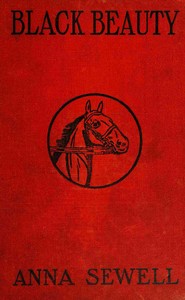
The work is presented as the memoir of a horse, narrated in the first person by a black stallion who recounts his life among the English gentry of the nineteenth century. The opening chapter places the narrator in the stable with a young boy named Joe, who intervenes to stop a drunken carter from flogging two work horses stuck in mud. The episode blends domestic drama with a courtroom‑type testimony, showing the horse’s keen observation of human cruelty, loyalty to his master, and the looming changes that will soon separate him from the family he knows. The story proceeds from this vivid incident into the household’s sorrowful preparations for the mistress’s departure, the sale of the horses, and the narrator’s eventual transfer to a new estate, all framed by the social customs of Victorian Britain.
The narration is unmistakably Victorian, with a measured, descriptive cadence and a moral tone that reflects the era’s concern for humane treatment of animals. The language is simple enough for younger readers yet retains the period’s diction, making it appealing to those who enjoy historical fiction, animal‑focused stories, or gentle moral tales set against the backdrop of nineteenth‑century England. Readers who appreciate a reflective, animal‑centered perspective on class, duty, and compassion will find this autobiography engaging.