About this book
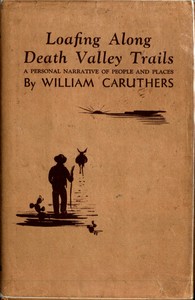
The work is a first‑person memoir that blends personal recollection with a sketch of the largely forgotten history of Death Valley’s Panamint and Amargosa regions. It opens with the author’s declaration that the book will recount the “romance, the comedy, the often stark tragedy” of the men who once chased gold in a landscape now returning to sagebrush. After a brief survey of early explorers, Fremont, Kit Carson, and Mormon pioneers, the writer acknowledges the scarcity of reliable sources and credits a network of friends, notably Senator Charles Brown and the Fairbanks family, for supplying diaries, scrapbooks, and a treasure‑trove of letters stored in Shorty Harris’s cabin. The narrative then jumps to a December 1950 scene in a desert outpost where the author, a seasoned traveler, meets colorful characters like “Calico Bill” and “Blackie,” whose anecdotes about miners, prospectors, and local legends set the tone for a series of vivid, anecdotal episodes that will populate the rest of the book.
The voice is that of a mid‑twentieth‑century raconteur, informal and peppered with colloquial dialogue, yet grounded in meticulous research. Its style mixes straightforward reportage of historical facts with the colorful, sometimes bawdy banter of desert tavern talk, reflecting the era’s appetite for rugged adventure literature. Readers who enjoy memoirs that double as regional histories, particularly those fascinated by the boom‑and‑bust mining towns of the American West, the personalities that populated them, and the stark beauty of Death Valley, will find this narrative engaging. The book’s blend of personal anecdote, oral history, and occasional humor makes it a rewarding read for lovers of frontier folklore and for anyone seeking a textured portrait of a place where “the hottest region in America” still echoes with the voices of its bygone inhabitants.