About this book
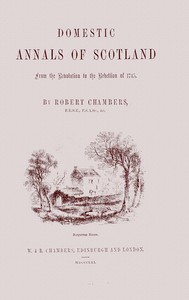
Robert Chambers’s Domestic Annals of Scotland continues the series that began with the Reformation, turning its focus to the half‑century from the Glorious Revolution to the 1745 rebellion. The work opens with a sweeping statement of the era’s transformation, from “harsh and despotic” rule to a “constitutional government,” and from religious intolerance to a milder, more genteel society. Chambers promises to trace Scotland’s moral and economic progress through “domestic incidents,” letting contemporary voices speak for themselves. The opening pages already set the scene of 1689‑1694, describing the swift replacement of James II by William and Mary, the rise of Presbyterianism, and the turbulent reactions of townsfolk, students, and Highland clans. Detailed illustrations, such as the Canongate Tolbooth and a portrait of Dr Pitcairn, punctuate the narrative, while the extensive contents list signals a methodical, year‑by‑year account of political, ecclesiastical, and social change.
Written in a nineteenth‑century scholarly voice, the text blends factual chronicle with vivid anecdote, employing the formal yet accessible prose of its time. Chambers strives for neutrality, allowing the period’s “self‑painting words” to surface, which gives the work a documentary flavor rather than a polemical one. Readers who enjoy meticulous historical surveys, especially those interested in the interplay of politics, religion, and everyday life in early‑modern Scotland, will find this volume rewarding. Its rich detail, contemporary illustrations, and focus on the lived experience of the era make it a valuable resource for scholars, genealogists, and anyone fascinated by the subtle forces that shaped Scotland’s path toward modernity.