Public-domain ebook
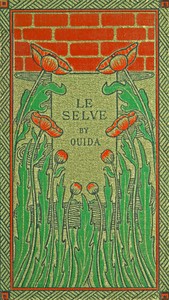
Le Selve
by Ouida
Language: en281 downloads on Project Gutenberg
Subjects
Public-domain ebook sourced from Project Gutenberg #77040.
Public-domain ebook
by Ouida
Language: en281 downloads on Project Gutenberg
Subjects
Public-domain ebook sourced from Project Gutenberg #77040.
The opening · free to read
It was a cold black night, with neither moon or stars, and an old peasant lay dying. He was all alone. No one thought it worth while to waste time beside him. He was eighty-three years old, and, according to his sons, ought to have been dead long before this autumn.
They and their families sat round a fire of logs and chips, and talked amongst themselves; not of him, he was no more of any account. On the morrow, or at farthest the day after, he would be carried to the ditch in the burial-ground at the nearest village and tumbled into it; and so--_Addio per sempre_. It would be trouble enough to take him there; the graveyard was fifteen miles and more away.
The big room, which was kitchen, eating-place, and cellar in one, was reeking with filth; cobwebs years old hung black and gray from the rafters; the floor of beaten earth was deep with the dust and mud brought by scores of dirty feet; the smoke from the yawning chimney hung in dark mist about the walls. Upstairs there was no fire. Why waste good fuel in warming cold limbs, cold from age and death?
“I am cold, I am cold!” muttered the old man; but no one heeded. Of course he was cold; people who were dying always were so. He shivered and shook under his cotton coverlet; and it was dark, so dark, they had left him no light; light burns oil, and what could he see or hope to see? His eyes were already glazing.
“Lazzaro got a whole crown for those turkeys which died of the pip,” said his elder son in the kitchen below, stretching his hands towards the blaze. Lazzaro was a neighbour who dwelt on a clearing, and made cask-hoops and wooden shoes.
“Some folks have luck,” said his son’s wife as she gave her left breast to her youngest child who stood at her knee. Then they were silent, and the man cracked a nut with his teeth. The wood crackled, the child sucked, some big boys gambled with plum-stones for counters on the dirty bricks, a girl of twelve years old caught a cricket amongst the ashes, and pulled it in a leisurely way to pieces; two smaller children, twins, watching enviously and with deep interest.
“The northern birds went overhead at noon,” said the younger brother Lucio after a time.
“Damn them! they fly too high to be shot,” said the elder, Alcide.
“They were all in a black three-sided mass,” said the younger.
“They always fly like that,” said the elder. “They’re a shrewd lot, those big birds.”
“How they keep time! ’tis amazing,” said Lucio. “Come regular with the first frost and go regular when the catkins peer out on the sallows.”
Then silence fell again between them.
The fire burnt more silently and more hotly; the woman put her child away from her, and thrust her breast back behind the iron busk of her stays; the twins fell asleep leaning against each other. The boys gambling with the plum-stones swore and struck at each other. From between the rafters overhead the sound of a low groan was heard now and then, and the elder son muttered, with many an oath, “Can’t ye be quiet, old one?”
Time went on. They had no watch or clock, but they could tell that an hour had passed by the look of the burning wood. There was a louder sound as of lamentation from the room above. Alcide got up and went to the foot of the wooden stair.
“Hold your jaw, old one!” he shouted. “Can’t you die in a quiet way? You’ve lived a deal too long as it is.”
One small boy nudged his twin brother. “Grandfather’s dying,” he whispered with glee, and the two little creatures chuckled together. There would be one mouth the less for the polenta, one throat the less for the rare thin wine; the tic-tac of his stick on the stones would no longer come after them when they were truant, the stroke of his crutch would no longer make their shoulder-blades tingle when he caught them stealing, the sound of his voice on the stairs would no longer wake them up out of warm slumber amongst the straw and lumber on black winter mornings when the cows were lowing to be milked.
Grandfather had been so long to be feared, it was delightful to them to hear him soundly rated, now that he could not get up and come down with his ash-stick raised.
“Grandfather’s dying,” they said to each other for the twentieth time with glee, as the ruddy lights from the blazing billets shone on their little unwashed brown faces.
“’Tis time we ate something,” said the woman, and she unhooked the pot hanging on a chain over the fire, and poured the contents out into an earthenware bowl. It was bean-soup, strongly flavoured with lentils and fennel; it was turned into pewter plates and supped up noisily with wooden spoons; pieces of black bread were wrenched off a loaf and eaten with it. They fed as ravenously as pigs, and with less cleanliness. Just as they finished a sound of knocking was heard at the door of the house, which was bolted and barred.
“Who’s there?” shouted Alcide.
“It is I,” answered a voice with a foreign accent.
“’Tis the new steward, perdition seize him!” said Alcide, and he strode across the bricks and drew back the bolts. “What’s amiss that you honour us at this time of night, sir?” he said sullenly to the person who stood on the step holding a horse’s bridle.
“There is much amiss here, they say,” replied the new-comer. “Is it true that your father, Adamo, is dying?”
“What’s that to anyone?” said Alcide, unwillingly. “Folk usually die when they get nigh ninety.”
The tone was half jocose, half sullen. The visitor in silence led his horse over the step into the entrance, hung the bridle on a nail in the wall, closed the door and said to Alcide:
“Take me to him.”
He was a fair man, tall, slender and young.
All the family gathered near to stare at him.
“There is nothing to see, sir,” muttered Alcide. “He’s as good as dead.”
“What doctor have you?”
“There is no such thing in these parts for forty miles or more.”
“Do you mean the Commune has no medical aid?”
“Safe and sure, it hasn’t.”
“Take me to him; I know something of medicine.”
They were all silent, vaguely frightened and ashamed. The woman nudged Alcide.
“Best take the gentleman upstairs to poor Nonno, though he’s past all help.”
And she forced a little water into her eyes and gave a little sob.
Alcide took the one light off the table and tramped up the steep rotten stair.
“What a piece of work about a dead greybeard!” he muttered. “When they’re past labour they’re best gone. You don’t leave a sere tree standing to cumber the ground.”
He pushed open a ricketty, worm-eaten door, and the feeble oil wick shed a dim flickering light on the miserable room, where all was silence. The steward took the lamp from him, and went up to the bed of sacking and dry leaves, of which the odours were foul as a dung-heap. On it lay a gaunt old man’s lifeless body. The old tree was down; it cumbered the soil no more.
The book keeps going
Reading is free forever. Sign up and watch scenes appear while you read.



Scenes Storieta drew for other classics.
New illustrated classics
Once or twice a month: the latest books to get full character casts, scene art, and free comic editions. No account needed.