About this book
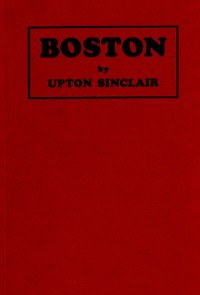
Upton Sinclair’s Boston is a contemporary historical novel that intertwines the real‑life Sacco‑Vanzetti trial with a fictional saga of Boston’s business and legal world. The author begins by explaining that the book was conceived on the night news of Sacco and Vanzetti’s deaths reached him, and he promises a narrative built on documented letters, testimonies and court records. Real figures such as Nicola Sacco, Bartolomeo Vanzetti and the participants in their Massachusetts trials appear under their true names, while the rest of the cast, family members, mill owners and lawyers, are invented. The opening scene shifts to a domestic crisis: the elderly Cornelia Thornwell awakens to the death of her husband, Josiah, and the ensuing scramble among her children over funeral arrangements, wills and the control of the family cotton‑mill empire. This domestic tableau sets the stage for the broader conflict between “saving minorities” and the forces of commerce that Sinclair will explore throughout the two volumes.
The prose is unmistakably Sinclair’s vigorous, reportage‑style prose of the 1920s, blending journalistic detail with a novelist’s eye for dialogue and character. The narrative voice is earnest and investigative, treating the Sacco‑Vanzetti case as a factual backbone while allowing fictional strands to illuminate the social and economic currents of Boston’s elite. Readers who enjoy dense, fact‑laden fiction, particularly those interested in early‑20th‑century American legal history, labor disputes, and the interplay of politics and industry, will find this work rewarding. Its blend of real trial documentation with a dramatized family saga also appeals to fans of literary nonfiction who appreciate a novel that strives for historical accuracy without sacrificing narrative drive.