Storieta
Save & sign up

About this book

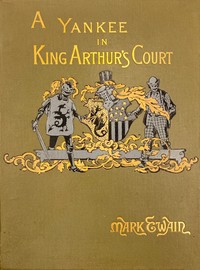
Mark Twain’s tale is a blend of fantasy fiction, satire, and Arthurian parody, set up from the very first pages by a narrator who muses on the impossibility of applying later medieval customs to a sixth‑century England. The opening treats the “divine right of kings” as a puzzle too tangled for the author, then pivots to a conversation in Warwick Castle where a mysterious stranger, fluent in the names of Sir Bedivere, Sir Launcelot and other Round‑Table heroes, introduces the notion of “transposition of epochs.” The narrator’s own background as a Connecticut‑born engineer of guns and machinery is laid out in plain, matter‑of‑fact prose, and an accidental plunge into an oak‑shadowed landscape launches the story toward Camelot. This mixture of historical speculation, mechanical know‑how, and a tongue‑in‑cheek treatment of chivalry signals a work that straddles satire and adventure without venturing beyond the material presented.

Twain writes in the brisk, colloquial voice of a late‑nineteenth‑century American, peppered with dry humor, self‑deprecating commentary, and occasional mock‑epic diction. The narrative’s playful anachronisms and its critique of both medieval myth and contemporary institutions will appeal to readers who enjoy witty, irreverent takes on classic legends, as well as those who like a satirical lens on the pretensions of power. Fans of historical fantasy that leans toward comedy, and readers who appreciate a narrator who speaks as plainly as a factory foreman while riffing on Arthurian romance, will find this opening inviting.

Characters in A Connecticut Yankee in King Arthur's Court

  • Sir BedivereMiddle‑aged knight in chainmail, gauntleted hands, short beard, helm under arm, 6th‑century English attire
  • Sir LauncelotYoung chivalrous knight, shining armor, long flowing hair, sword at side, regal bearing

The opening · free to read

The question as to whether there is such a thing as divine right of kings is not settled in this book. It was found too difficult. That the executive head of a nation should be a person of lofty character and extraordinary ability, was manifest and indisputable; that none but the Deity could select that head unerringly, was also manifest and indisputable; that the Deity ought to make that selection, then, was likewise manifest and indisputable; consequently, that He does make it, as claimed, was an unavoidable deduction. I mean, until the author of this book encountered the Pompadour, and Lady Castlemaine, and some other executive heads of that kind; these were found so difficult to work into the scheme, that it was judged better to take the other tack in this book (which must be issued this fall), and then go into training and settle the question in another book. It is, of course, a thing which ought to be settled, and I am not going to have anything particular to do next winter anyway.

The book keeps going

Keep reading, and see it illustrated

Reading is free forever. Sign up and watch scenes appear while you read.

Illustrated scene from FrankensteinIllustrated scene from The Great GatsbyIllustrated scene from Pride and Prejudice

Scenes Storieta drew for other classics.

New illustrated classics

A new classic, drawn, in your inbox.

Once or twice a month: the latest books to get full character casts, scene art, and free comic editions. No account needed.