About this book
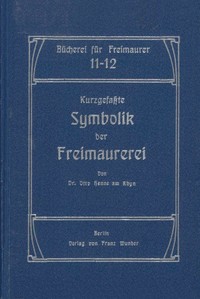
The work is a scholarly exposition on the role of legend and symbol in Masonic teaching, written by Albert G. Mackey, a nineteenth‑century physician and Freemason. It opens with a clear statement that the “masonic student” learns chiefly through two channels, mythic narratives and emblematic devices, and proceeds to argue that the truth of those legends is irrelevant so long as they convey the intended philosophical doctrine. Mackey then outlines his method: a systematic survey of the origins, development, and internal philosophy of Freemasonry, followed by a detailed catalogue of its symbols, rites, and legendary episodes. The introductory pages set the stage for a comprehensive treatment that moves from the ancient “Noachidae” and primitive operative traditions through the symbolic science of the modern speculative lodge.
Mackey’s voice is that of a Victorian‑era erudite, employing formal, didactic prose and a tone that assumes the reader’s willingness to engage with dense historical and theological argument. The style is encyclopedic, rich in classical references, and occasionally rhetorical, reflecting the period’s confidence in systematic knowledge. Readers with a serious interest in the intellectual history of Freemasonry, students of esotericism, historians of ritual, or anyone drawn to the interplay of myth, morality, and symbolism, will find the book rewarding. Those seeking a casual overview may be challenged by its exhaustive detail, but the disciplined scholar will appreciate its thoroughness and its attempt to separate the inner philosophy from outward ceremony.