The opening · free to read
The text of this edition of Julius Cæsar is based upon a collation of the seventeenth century Folios, the Globe edition, and that of Delius. As compared with the text of the earlier editions of Hudson's Shakespeare, it is conservative. Exclusive of changes in spelling, punctuation, and stage directions, very few emendations by eighteenth century and nineteenth century editors have been adopted; and these, with every variation from the First Folio, are indicated in the textual notes. These notes are printed immediately below the text so that a reader or student may see at a glance the evidence in the case of a disputed reading and have some definite understanding of the reasons for those differences in the text of Shakespeare which frequently surprise and very often annoy. A consideration of the more poetical, or the more dramatically effective, of two variant readings will often lead to rich results in awakening a spirit of discriminating interpretation and in developing true creative criticism. In no sense is this a textual variorum edition. The variants given are only those of importance and high authority.
The spelling and the punctuation of the text are modern, except in the case of verb terminations in -ed, which, when the e is silent, are printed with the apostrophe in its place. This is the general usage in the First Folio. Modern spelling has to a certain extent been followed in the text variants; but the original spelling has been retained wherever its peculiarities have been the basis for important textual criticism and emendation.
With the exception of the position of the textual variants, the plan of this edition is similar to that of the old Hudson Shakespeare. It is impossible to specify the various instances of revision and rearrangement in the matter of the Introduction and the interpretative notes, but the endeavor has been to retain all that gave the old edition its unique place and to add the results of what seems vital and permanent in later inquiry and research.
While it is important that the principle of suum cuique be attended to so far as is possible in matters of research and scholarship, it is becoming more and more difficult to give every man his own in Shakespearian annotation. The amount of material accumulated is so great that the identity-origin of much important comment and suggestion is either wholly lost or so crushed out of shape as to be beyond recognition. Instructive significance perhaps attaches to this in editing the works of one who quietly made so much of materials gathered by others. But the list of authorities given on page li will indicate the chief source of much that has gone to enrich the value of this edition. Professor W. P. Trent, of Columbia University, has offered valuable suggestions and given important advice; and to Mr. M. Grant Daniell's patience, accuracy, and judgment this volume owes both its freedom from many a blunder and its possession of a carefully arranged index.
The book keeps going
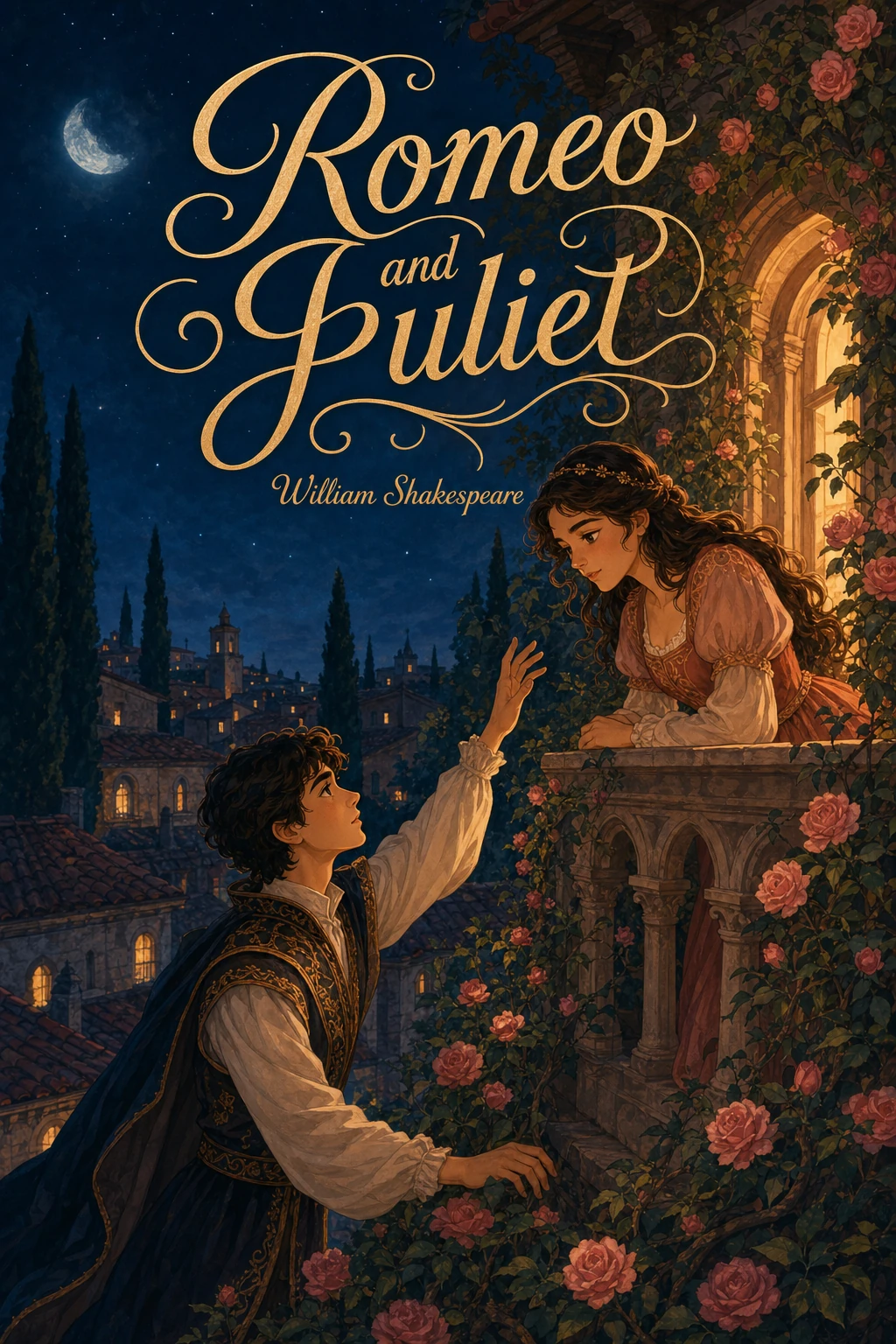
Keep reading, and see it illustrated
Reading is free forever. Sign up and watch scenes appear while you read.
Scenes Storieta drew for other classics.