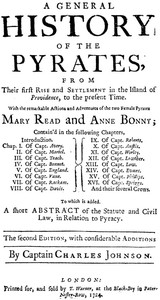
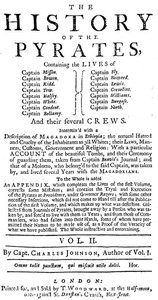
About this book
This work is a seventeenth‑century historical treatise that sets out to explain the rise of piracy from the settlement of Providence Island to the early eighteenth century. The author begins by observing a curious peace among Dutch seafarers, then argues that a national fishery could curb the “pyrates” by providing honest employment for idle sailors. He proceeds to trace the logic of piracy as a by‑product of war‑time privateering, citing specific captains such as Roberts and noting seasonal patterns of raids. The preface explains that the narrative is drawn from eyewitness accounts, court testimonies and the author’s own investigations, and that the second impression expands the first with new material on islands such as St. Thomas and Brazil. The book therefore promises a blend of economic argument, geographic description, and anecdotal biography, all framed as a “history” of sea‑robbers.
Written in a dense, moralising prose typical of early‑modern English pamphlets, the text reflects the author’s 1720s perspective on commerce, naval policy and national virtue. Its tone is didactic rather than romantic, interweaving practical suggestions with vivid, sometimes sensational, depictions of pirate tactics. Readers who enjoy scholarly explorations of maritime law, early‑modern economic thought, or the raw primary‑source voice of a period chronicler will find it rewarding. Those seeking a polished literary adventure should be prepared for the work’s exhaustive footnotes, archaic spelling, and the author’s unabashed self‑promotion as a reliable recorder of facts.