About this book
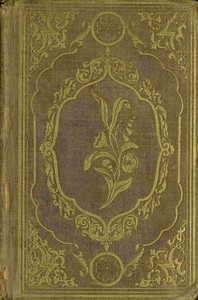
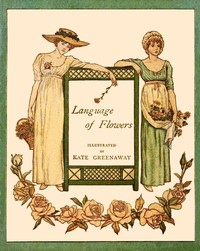
Henrietta Dumont’s The Language of Flowers offers a systematic guide to the symbolic meanings that various blossoms have carried through centuries of poetry and everyday custom. The work opens with a sweeping meditation on why the Creator has strewn the earth with countless flowers, from snowdrops to magnolias, and how each plant “corresponds to actual emotions” and serves a “mission of love and mercy.” From this philosophical prelude Dumont moves into a detailed catalogue, assigning each flower a concise moral or sentiment, friendship for the acacia, grief for the aloe, hope for the snowdrop, followed by poetic excerpts that illustrate the assigned meaning. The volume concludes with sections titled “Dictionary of Flowers,” “Calendar of Flowers,” and “Dial of Flowers,” promising a comprehensive reference for anyone wishing to decode floral messages.
The text reads like a Victorian‑era naturalist’s handbook, blending scholarly enumeration with lyrical flourishes and frequent quotations from poets such as Shakespeare, Carew and Robinson. Its tone is earnest and instructional, yet softened by frequent poetic interludes that give the catalogue a literary texture. Readers who enjoy the intersection of botany, symbolism, and 19th‑century poetic sensibility, gardeners, historians of etiquette, or lovers of antiquarian reference works, will find Dumont’s meticulous yet romantic approach both informative and pleasantly evocative.