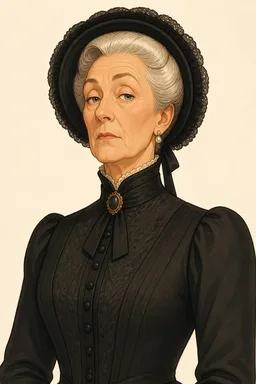
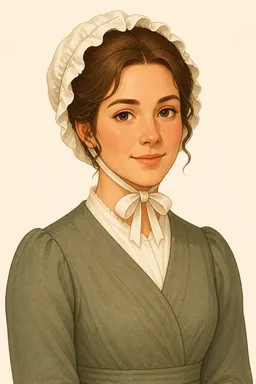
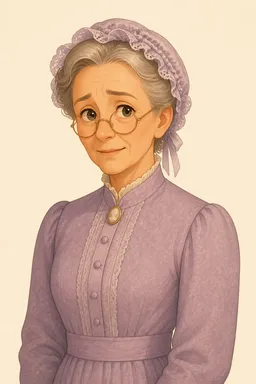
The story these characters live in
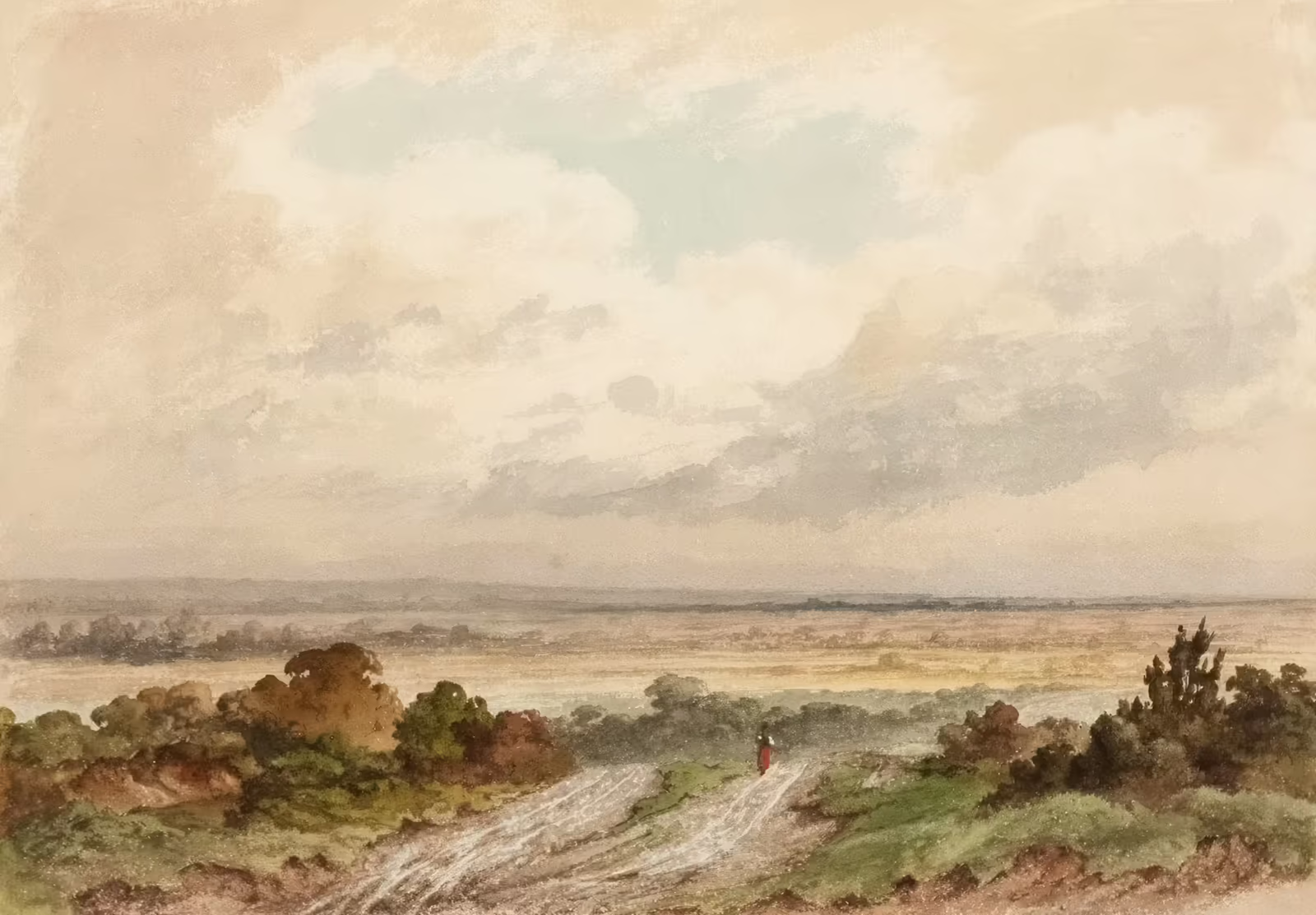
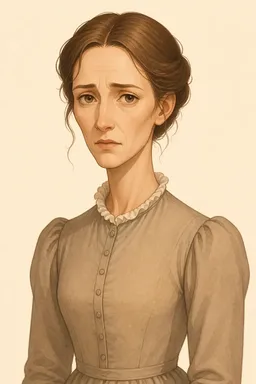
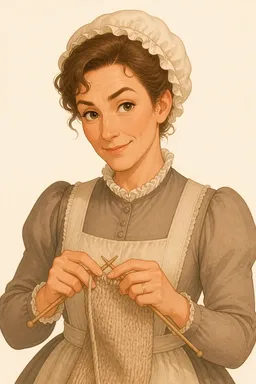
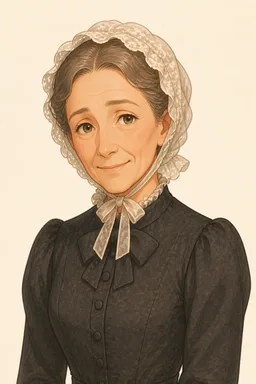
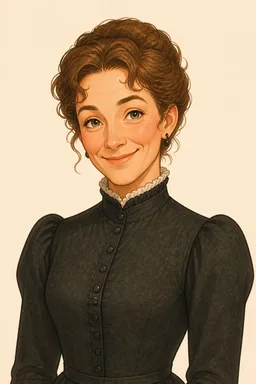
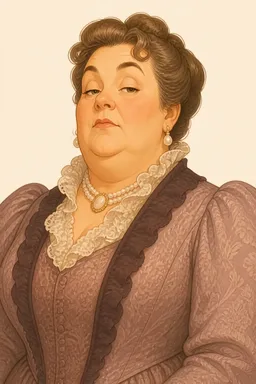
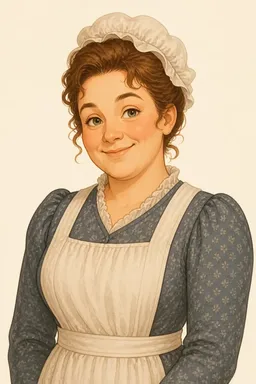
Cranford is a warm, sharply comic portrait of an English village governed by women. Its houses, gardens, church, calling hours, evening parties, and strict codes of gentility form a small world where everyone knows everyone else’s affairs, yet kindness and loyalty temper every quarrel. The narrator observes a community of mostly unmarried or widowed women, including sisters and close companions, whose independence, eccentricities, limited means, and concern for appearances shape daily life. Even a red silk umbrella, a smoking chimney, or a cow in flannel can become a matter of public importance.
Elizabeth Gaskell writes with an intimate, conversational voice, combining affectionate attention to older women with dry satire of social rules, class anxieties, and “elegant economy.” The prose is richly detailed but easygoing, full of memorable comparisons, lively dialogue, and a narrator who gently exposes the gap between what Cranford’s residents admit and what everyone understands. First published in the Victorian period, it will appeal to readers who enjoy domestic fiction, village life, female friendship, social observation, and humor that finds both absurdity and tenderness in ordinary arrangements.