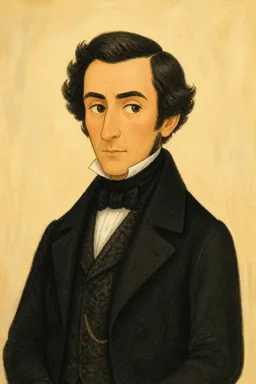
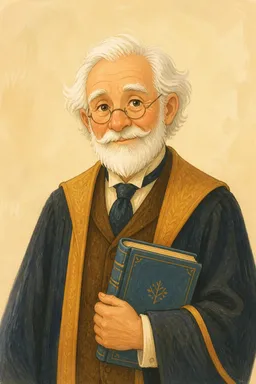
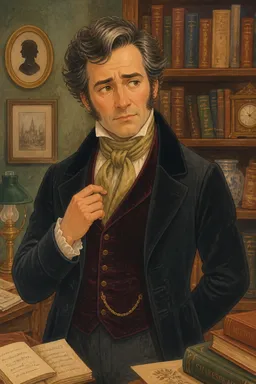
The story these characters live in
Robert Louis Stevenson’s The Strange Case of Dr. Jekyll and Mr. Hyde is a psychological horror tale with a science-fiction premise, set amid the respectable streets and uneasy shadows of London. The story draws a physician, a lawyer, and a mysterious, deeply unsettling man into questions of self-experimentation, reputation, hidden conduct, and the divided nature of human character. Its tension begins in an atmosphere of quiet observation: Sunday walks, private chambers, polished façades, and a neglected door connected to an act of startling violence. Rather than rushing into spectacle, the book builds dread through suspicion, testimony, and the pressure of secrets that respectable society would prefer to leave untouched.
The prose is richly Victorian, formal yet sharply vivid, with long, carefully balanced sentences and an ear for dry conversation, moral unease, and ominous detail. Stevenson’s London is both recognizable and Gothic: orderly on the surface, but full of closed doors, dim streets, legal documents, and troubling contradictions. This is a strong choice for readers who enjoy classic horror, atmospheric mysteries, psychological fiction, and stories in which scientific ambition collides with conscience. Its period voice rewards attention, while its compact form and steadily tightening sense of danger make it an inviting entry into nineteenth-century Gothic literature.