

Storieta
Sign up

Character guide

The War of the Worlds characters

Who's who in The War of the Worlds by H. G. Wells (1898): the 6 main characters, each with an original portrait from Storieta's illustrated edition.

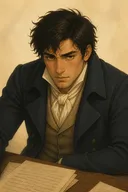
Portrait of The Narrator from The War of the Worlds

The Narrator

An unnamed writer and philosopher living in Woking who becomes an eyewitness to the Martian invasion. He is a cautious, observant, and resilient individual driven by a desire to survive and document the catastrophe.

Portrait of Annemarie Wells from The War of the Worlds

Annemarie Wells

Also known as Mrs. Wells, my wife, Annie

The Narrator's wife, who represents the domestic life being destroyed by the invasion. Her fate serves as a primary emotional motivator for the Narrator's journey.

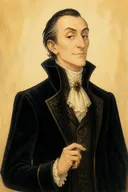
Portrait of The Artilleryman from The War of the Worlds

The Artilleryman

A cynical, hardened soldier met by the Narrator during his flight from the Martians. He provides a gritty, militaristic perspective on the hopelessness of the human resistance.

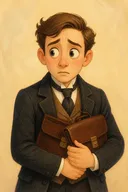
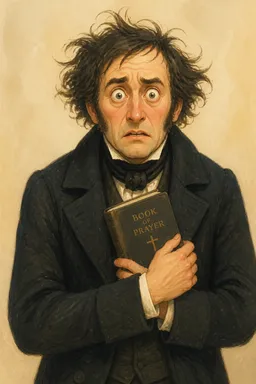
Portrait of The Curate from The War of the Worlds

The Curate

A frantic and deeply religious man who accompanies the Narrator during part of his journey. He serves as a foil to the Narrator's rationalism, descending into religious mania and terror.

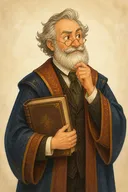
Portrait of Ogilvy from The War of the Worlds

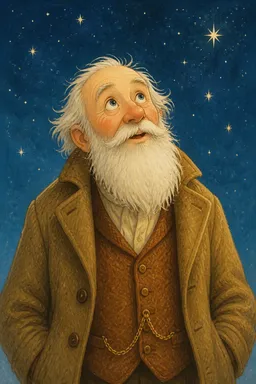
Ogilvy

Also known as the soldier

A well-known astronomer at Ottershaw who is the first to discover the Martian cylinder on Horsell Common.

Bonds:HendersonAcquaintances

Portrait of Henderson from The War of the Worlds

Henderson

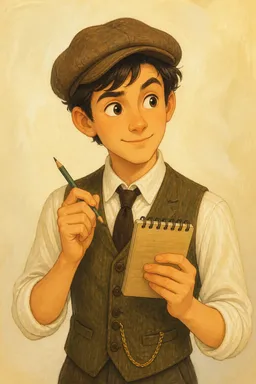
A London journalist who assists Ogilvy in investigating the cylinder on Horsell Common.

Bonds:OgilvyAcquaintances

Never lose track of a character again.

Storieta keeps this cast at your side while you read The War of the Worlds — portraits, names, and an ask-anything assistant that only knows what you've read so far. No spoilers, ever.

Full text of The War of the Worlds — the complete public-domain ebook, free.

The story these characters live in

The novel is a science‑fiction war story that begins with a sweeping meditation on humanity’s complacency at the close of the nineteenth century. The narrator describes Earth as an unwitting subject of distant intelligences, then turns to Mars, detailing its cooler climate, dwindling oceans and the desperate intellect of its inhabitants. By weaving scientific speculation about planetary cooling, orbital distance and the historical observations of astronomers such as Schiaparelli, the opening sets up a scenario in which Martian minds, driven by scarcity, prepare an “escape” by targeting the more fertile Earth. The text moves from a philosophical overview to a vivid recounting of a series of mysterious flames observed from Earth, the ensuing speculation of astronomers, and finally the discovery of a massive crater that hints at an extraterrestrial projectile, an ominous prelude to the conflict that will follow.


The voice is that of a late‑Victorian narrator, formal and descriptive, with a tone that mixes earnest scientific curiosity and a moral caution about humanity’s own history of extermination. H. G. Wells writes in long, clause‑laden sentences that echo the period’s prose style, while his speculative imagination grounds the story in contemporary astronomical knowledge. Readers who enjoy detailed world‑building, a blend of hard science with dramatic tension, and a reflective, almost lecture‑like commentary on progress and imperialism will find this opening compelling.

More character guides

Every cast illustrated from the original text.

Browse all character guides