Illustrated edition · Part One · free to read
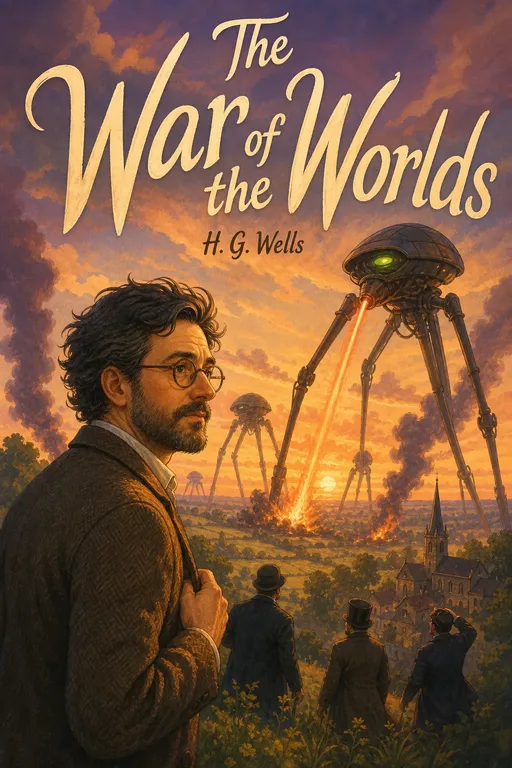
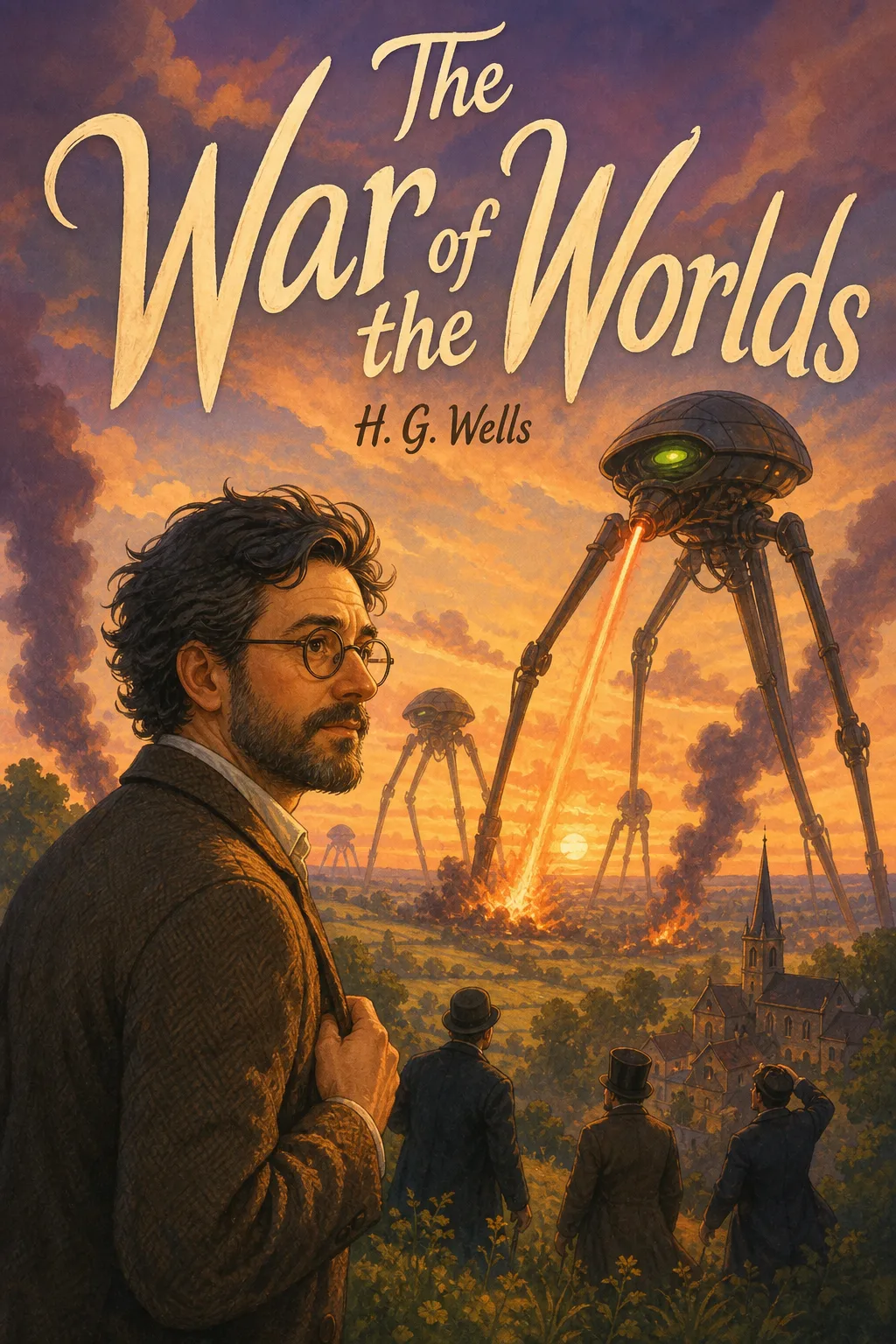
The War of the Worlds
by H. G. Wells1898
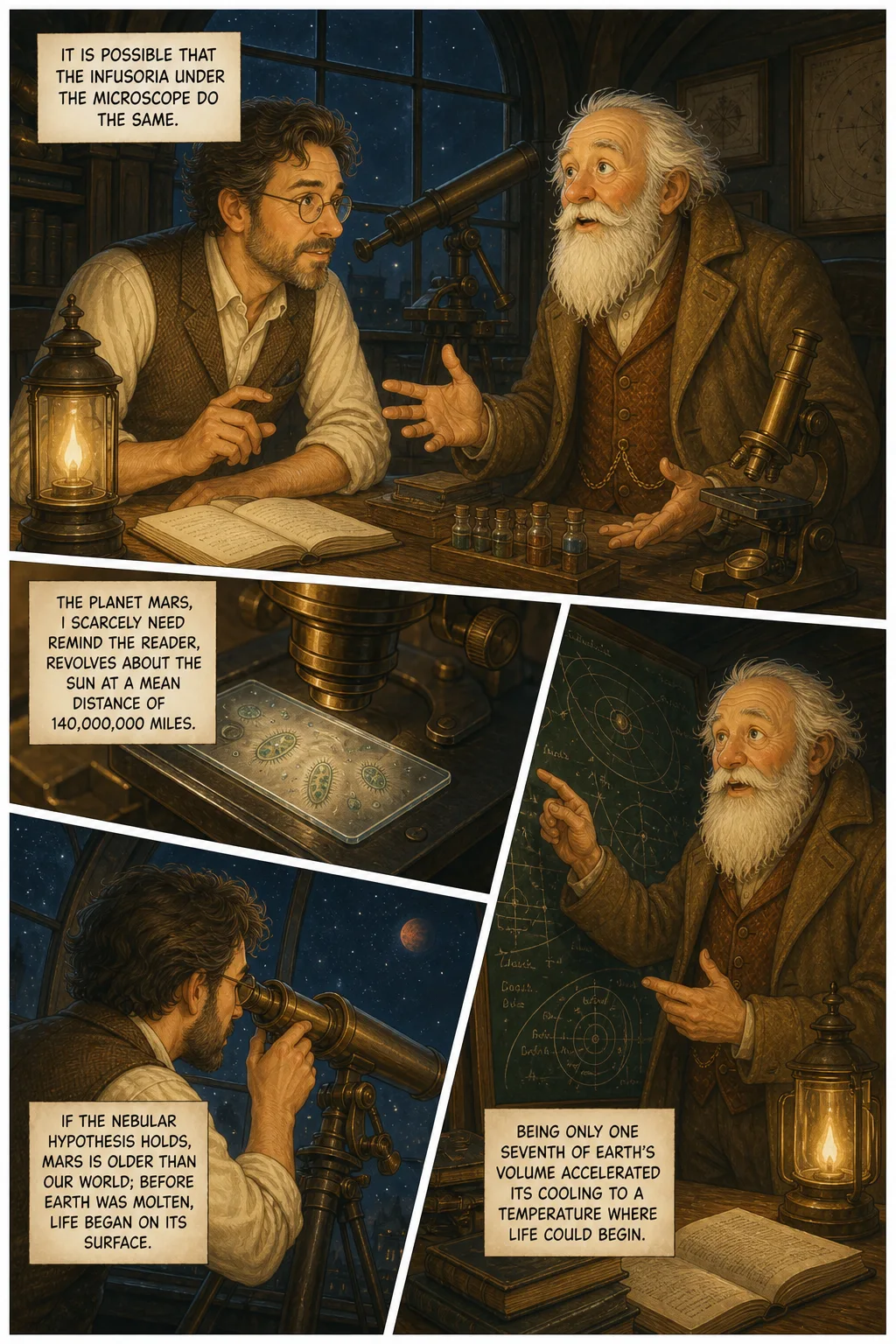
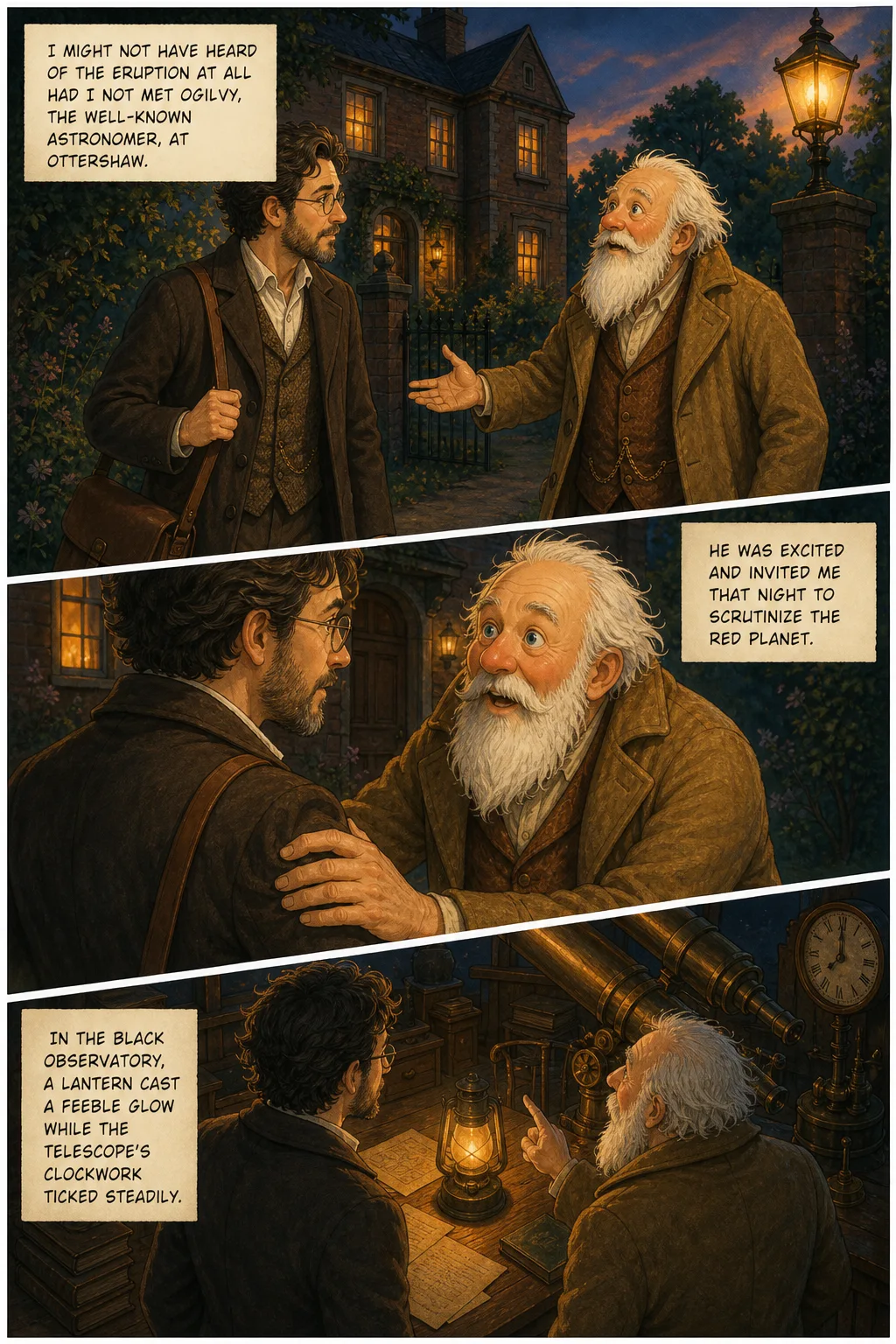
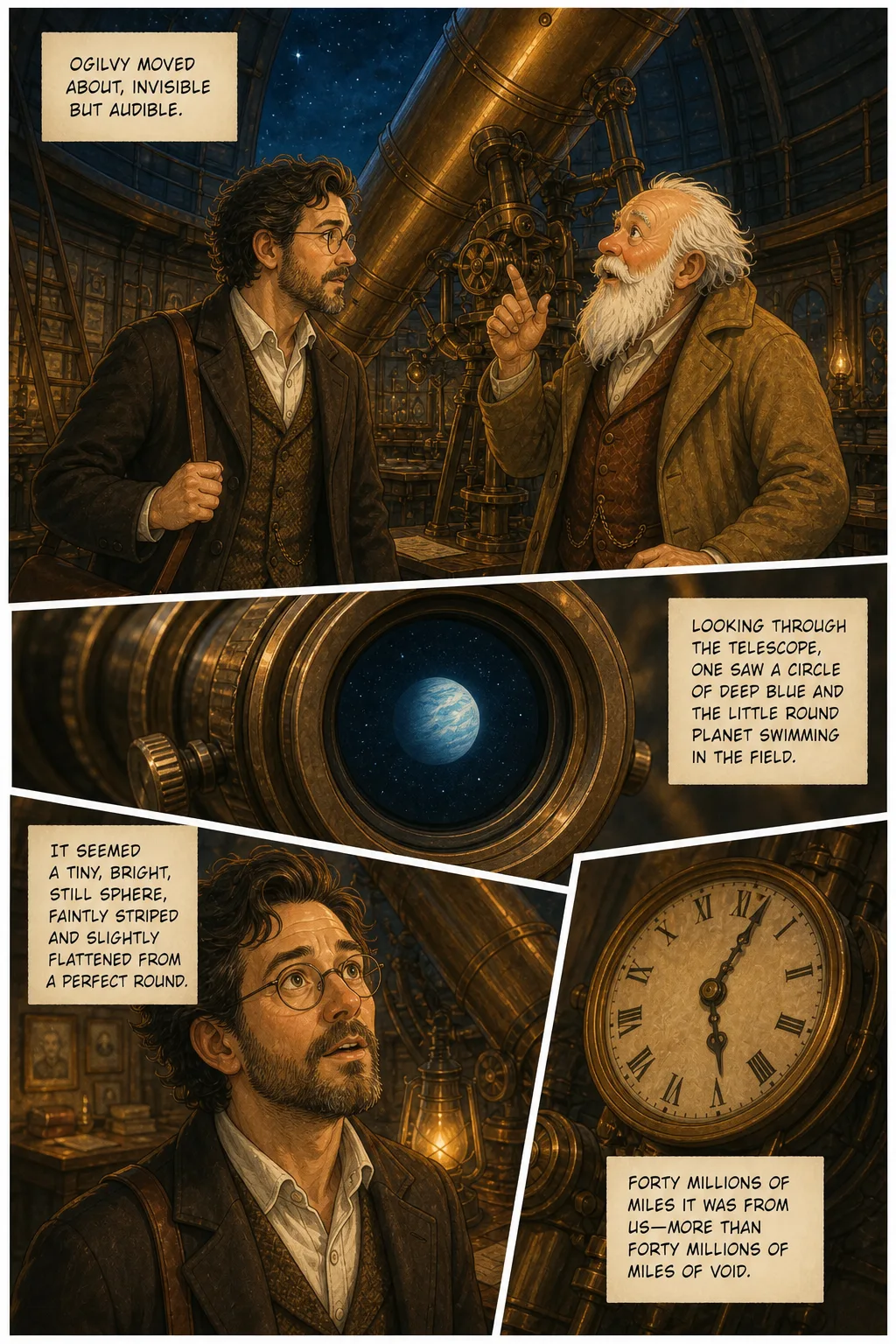
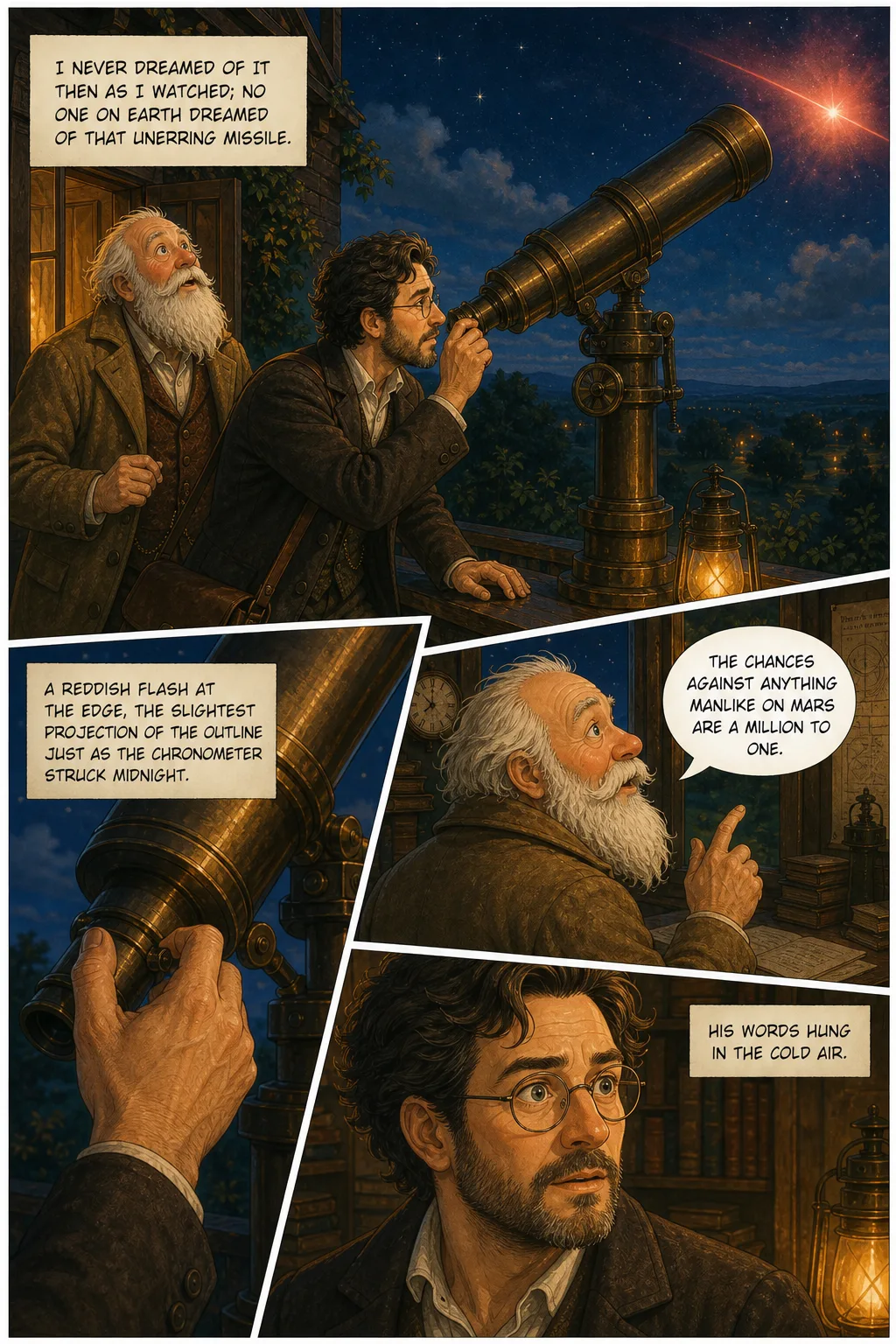
No one would have believed we were being watched. Then the first cylinder fell.



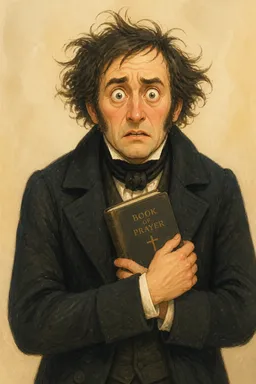
Drawn page by page
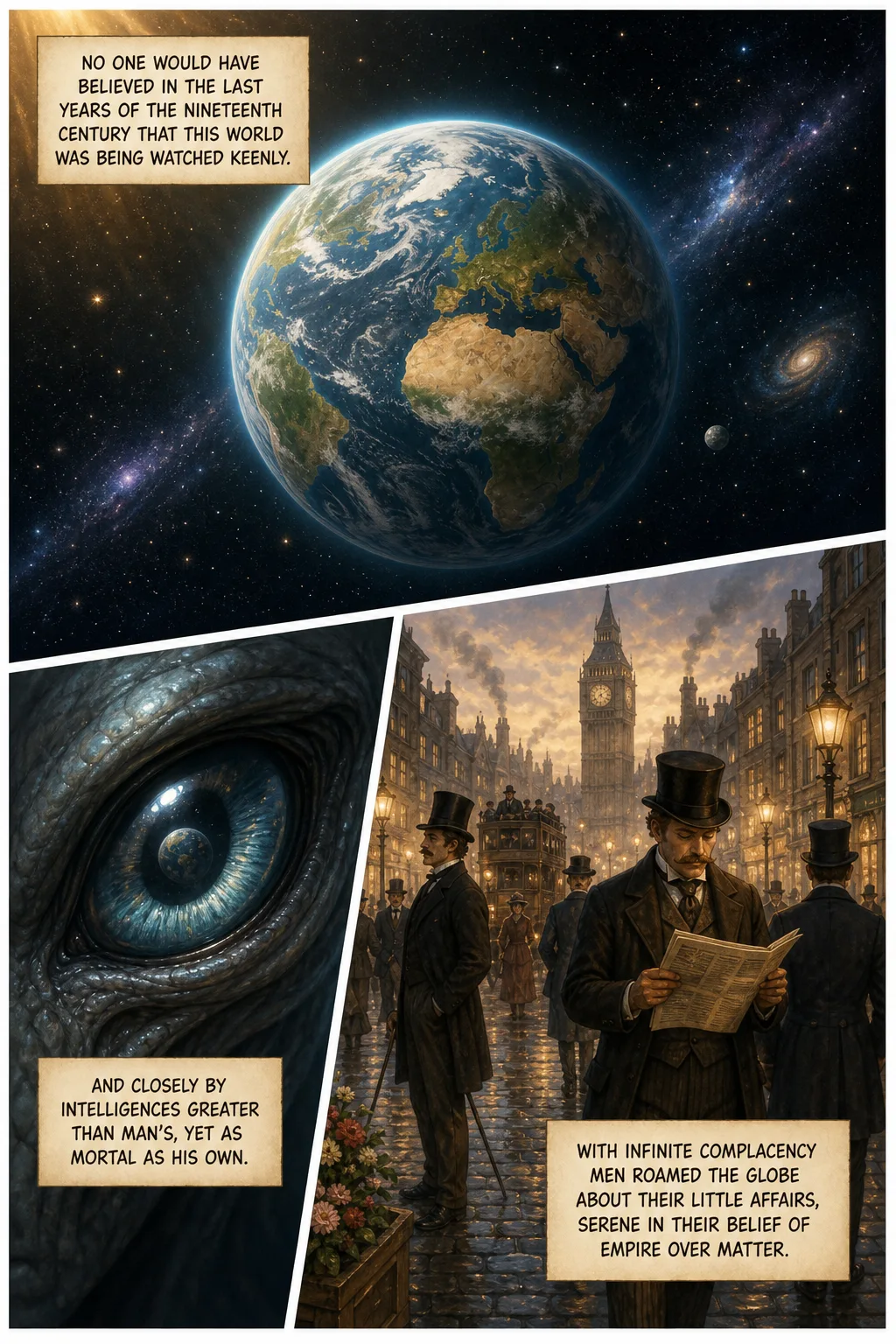
The story opens
8 drawn pages · dialogue straight from the original text
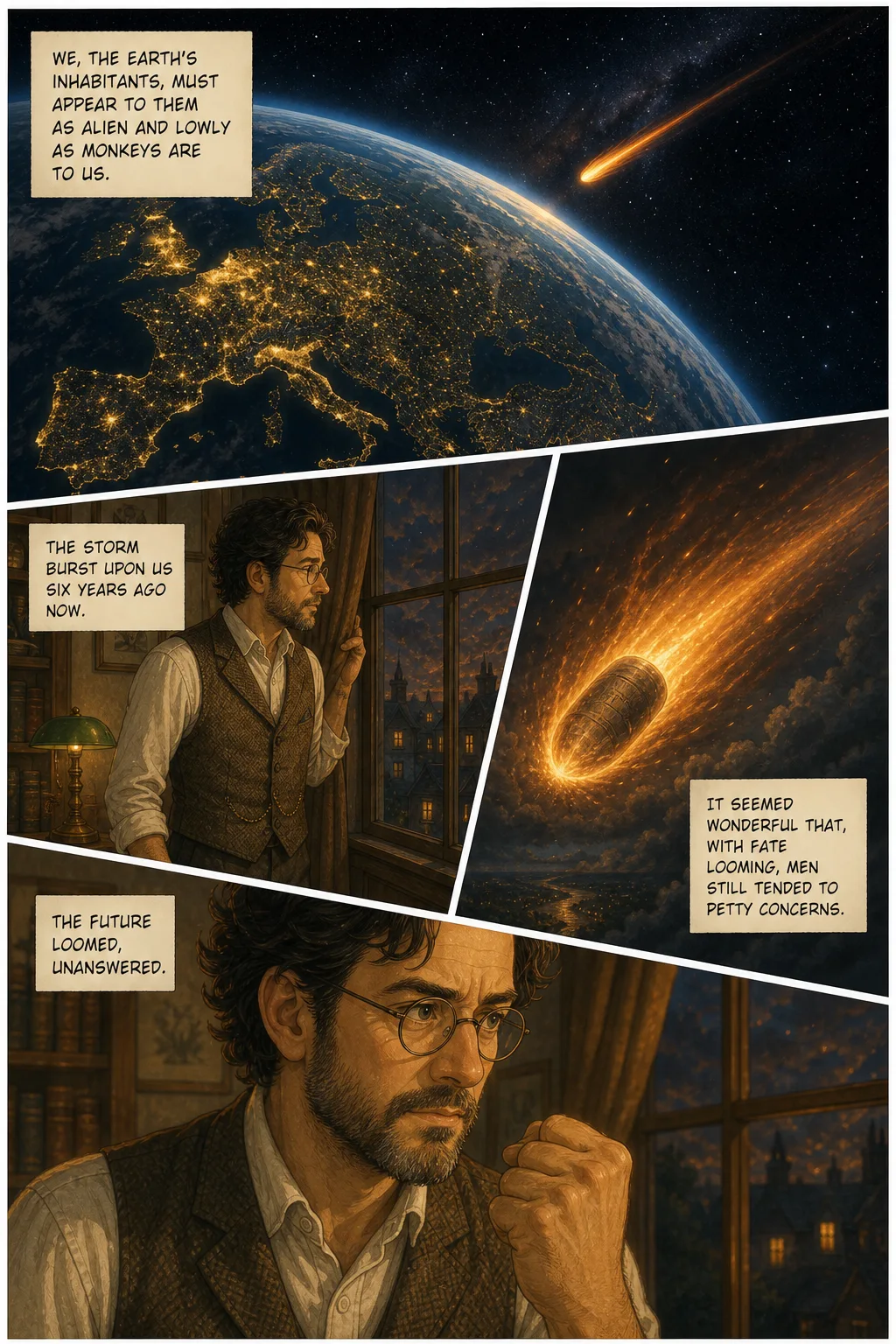
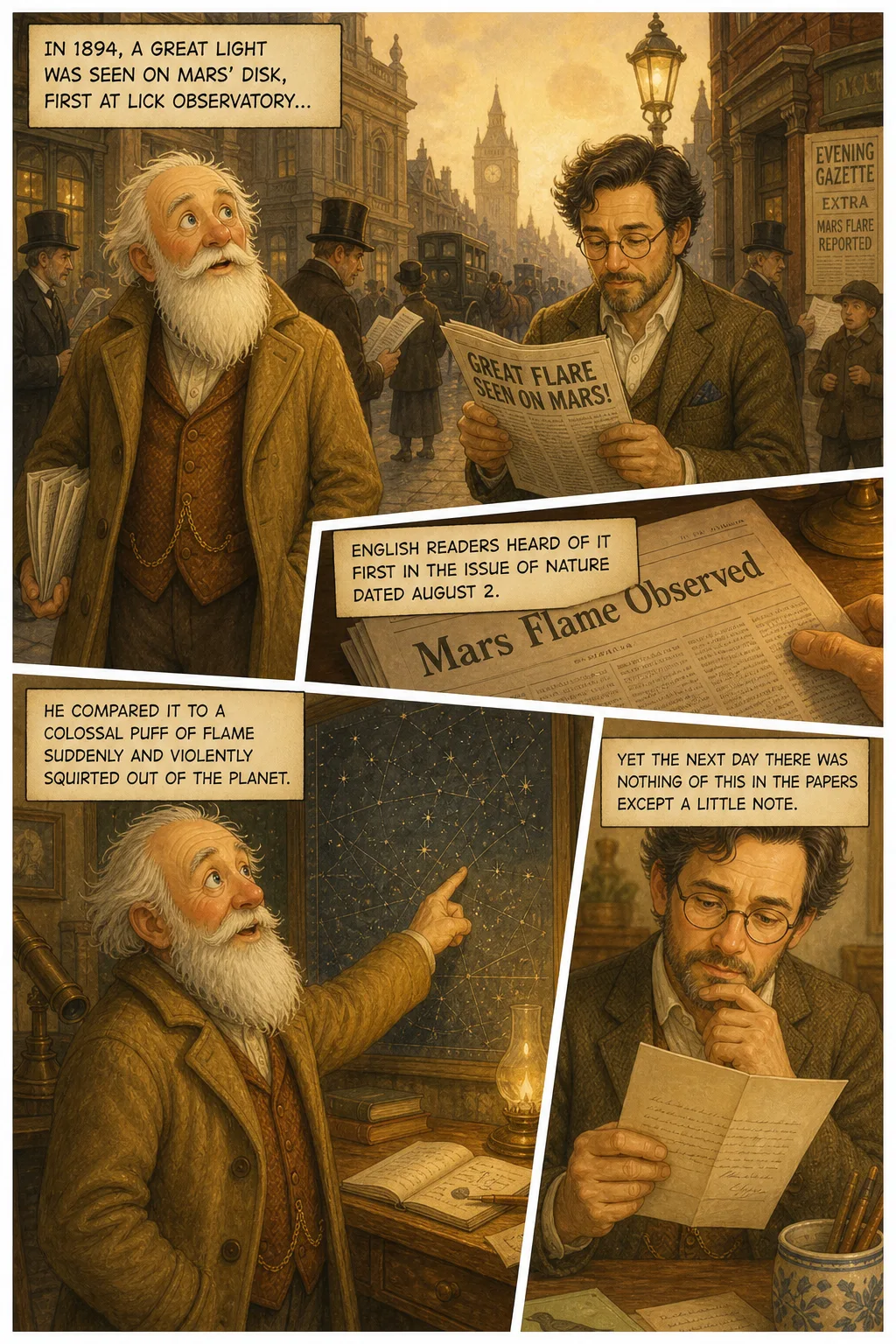
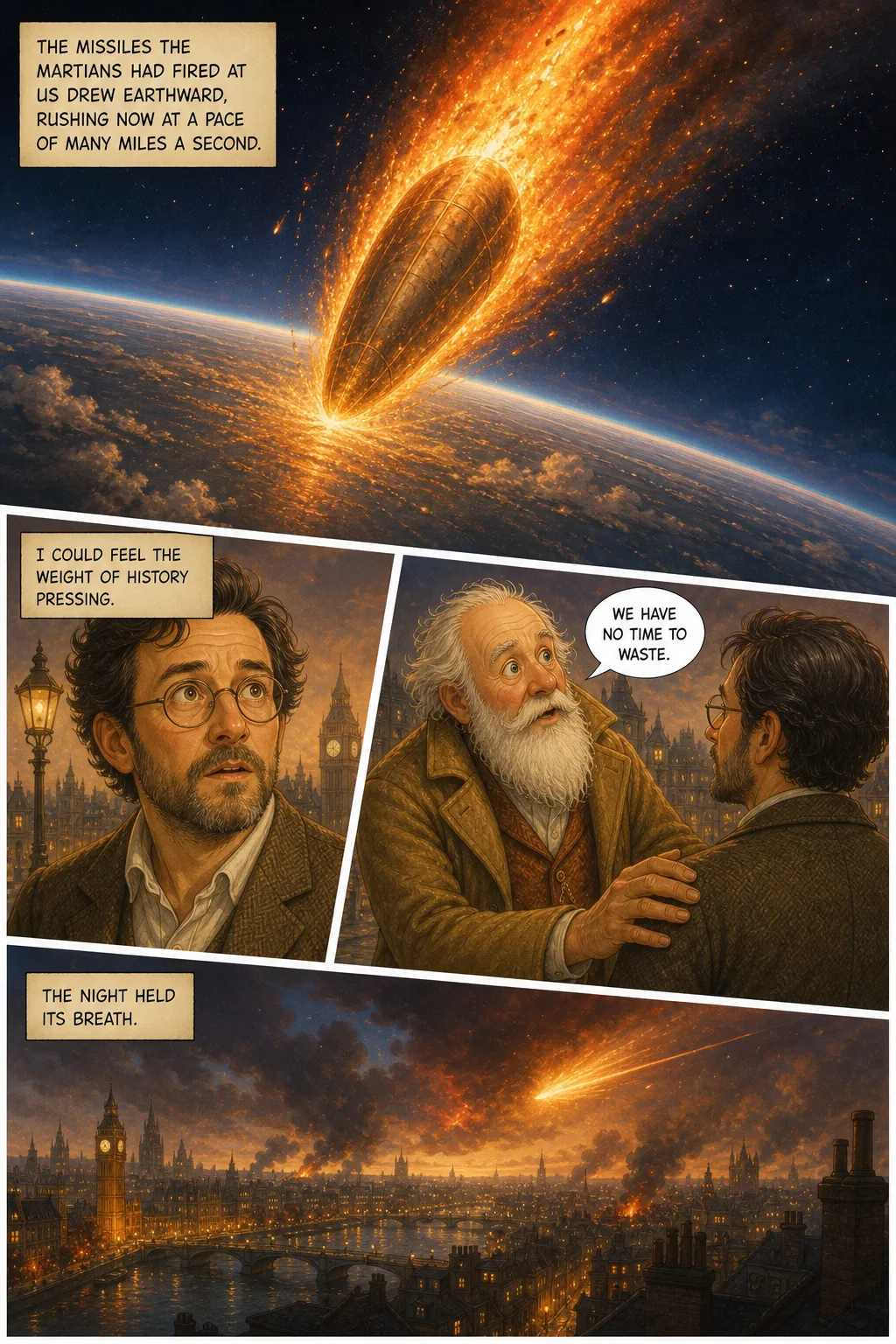
End of the free preview
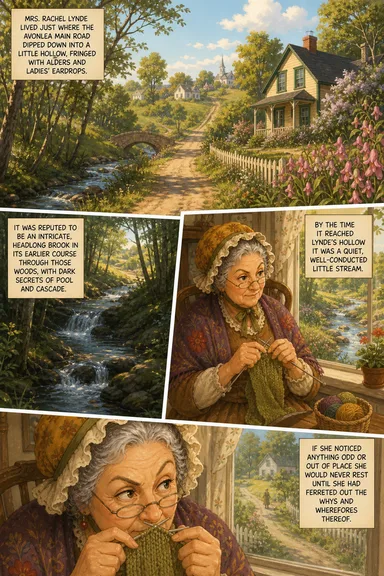
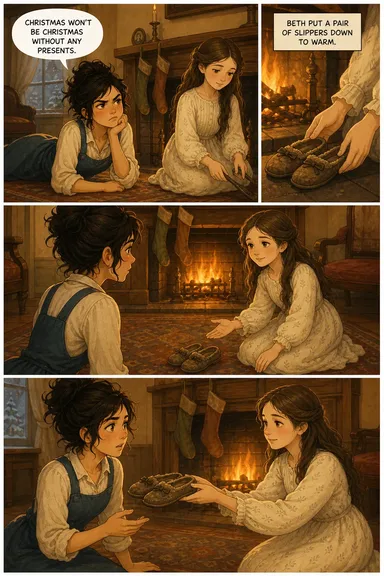
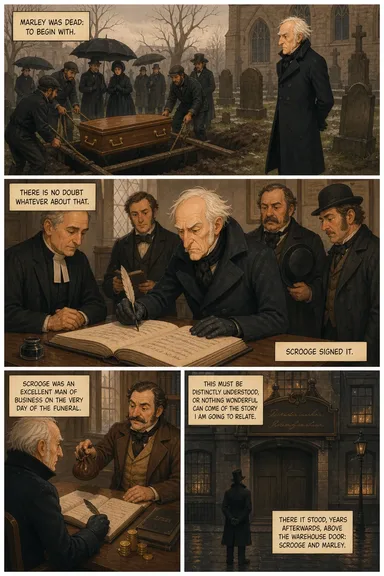
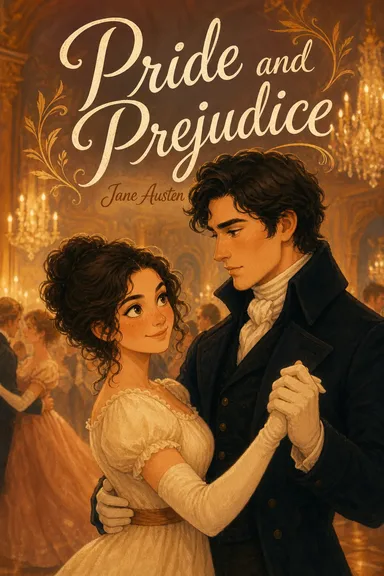
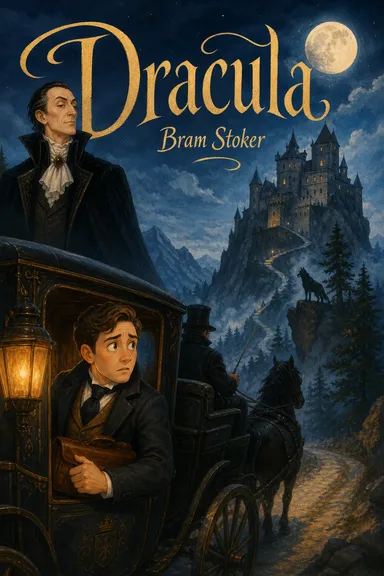
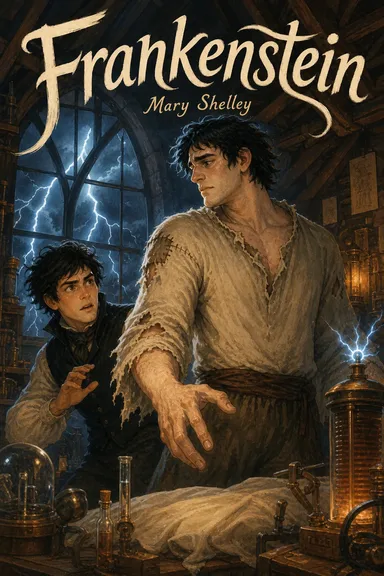
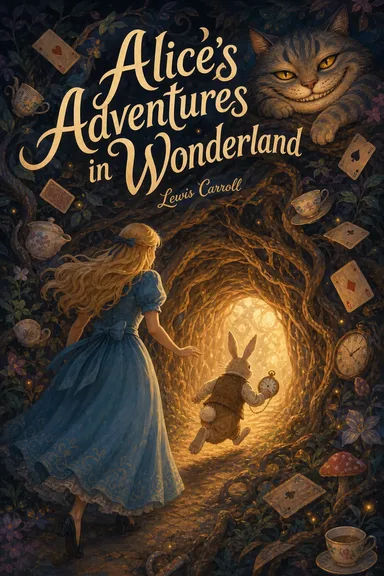
Pages from three other classics. Any book you add can be drawn like this.
Keep the story going.
Create a free account to add The War of the Worlds to your library and continue where this adaptation ends. Reading stays free, with 25 credits to illustrate scenes. A card is only required if you start the 7-day Pro trial.
About The War of the Worlds
The novel is a science‑fiction war story that begins with a sweeping meditation on humanity’s complacency at the close of the nineteenth century. The narrator describes Earth as an unwitting subject of distant intelligences, then turns to Mars, detailing its cooler climate, dwindling oceans and the desperate intellect of its inhabitants. By weaving scientific speculation about planetary cooling, orbital distance and the historical observations of astronomers such as Schiaparelli, the opening sets up a scenario in which Martian minds, driven by scarcity, prepare an “escape” by targeting the more fertile Earth. The text moves from a philosophical overview to a vivid recounting of a series of mysterious flames observed from Earth, the ensuing speculation of astronomers, and finally the discovery of a massive crater that hints at an extraterrestrial projectile, an ominous prelude to the conflict that will follow.
The voice is that of a late‑Victorian narrator, formal and descriptive, with a tone that mixes earnest scientific curiosity and a moral caution about humanity’s own history of extermination. H. G. Wells writes in long, clause‑laden sentences that echo the period’s prose style, while his speculative imagination grounds the story in contemporary astronomical knowledge. Readers who enjoy detailed world‑building, a blend of hard science with dramatic tension, and a reflective, almost lecture‑like commentary on progress and imperialism will find this opening compelling.
The War of the Worlds by H. G. Wells its book page, where the opening is free to read with no account.
More illustrated classics
Every one opens free.
Illustrated openings drawn page by page. No signup to start reading.