






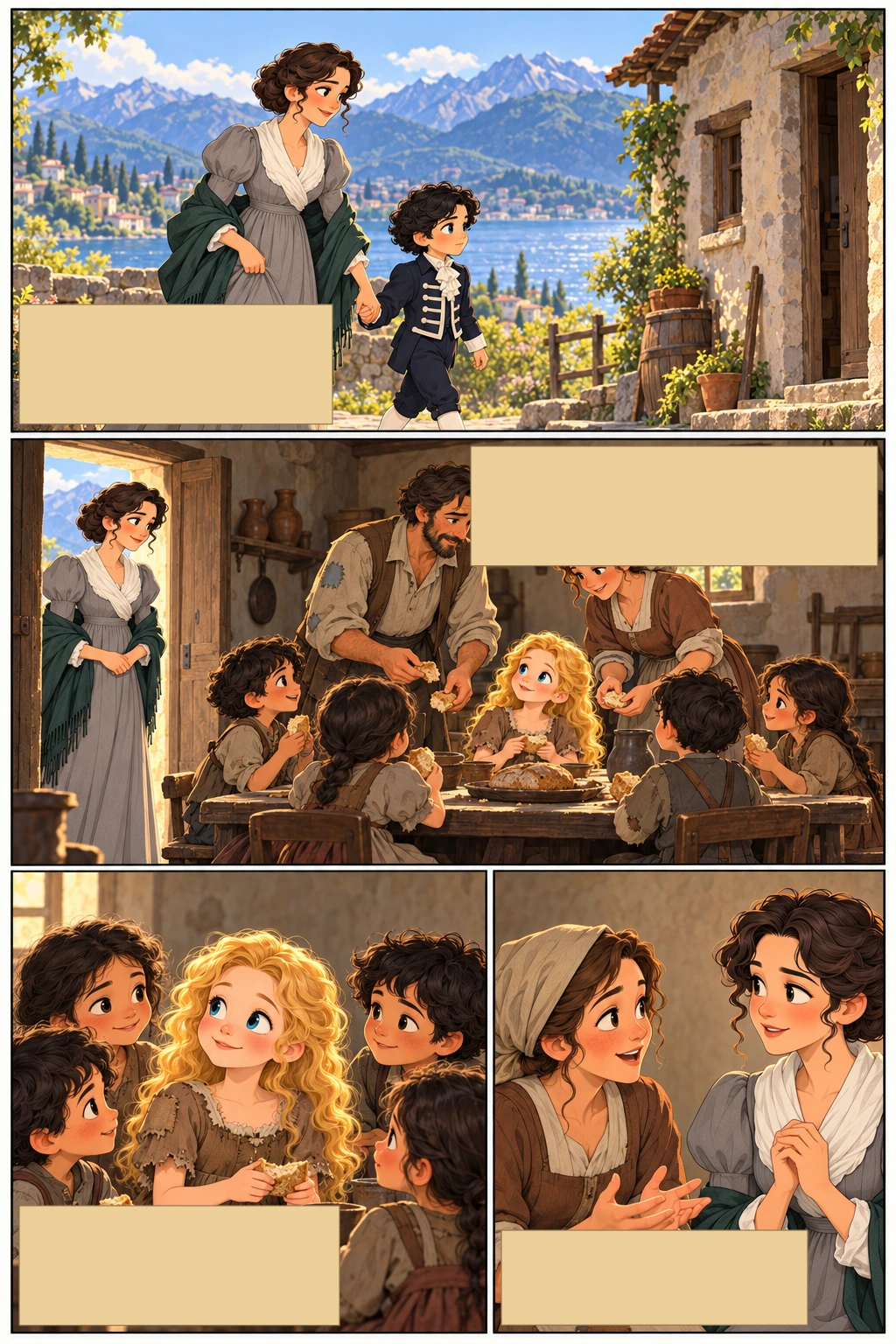
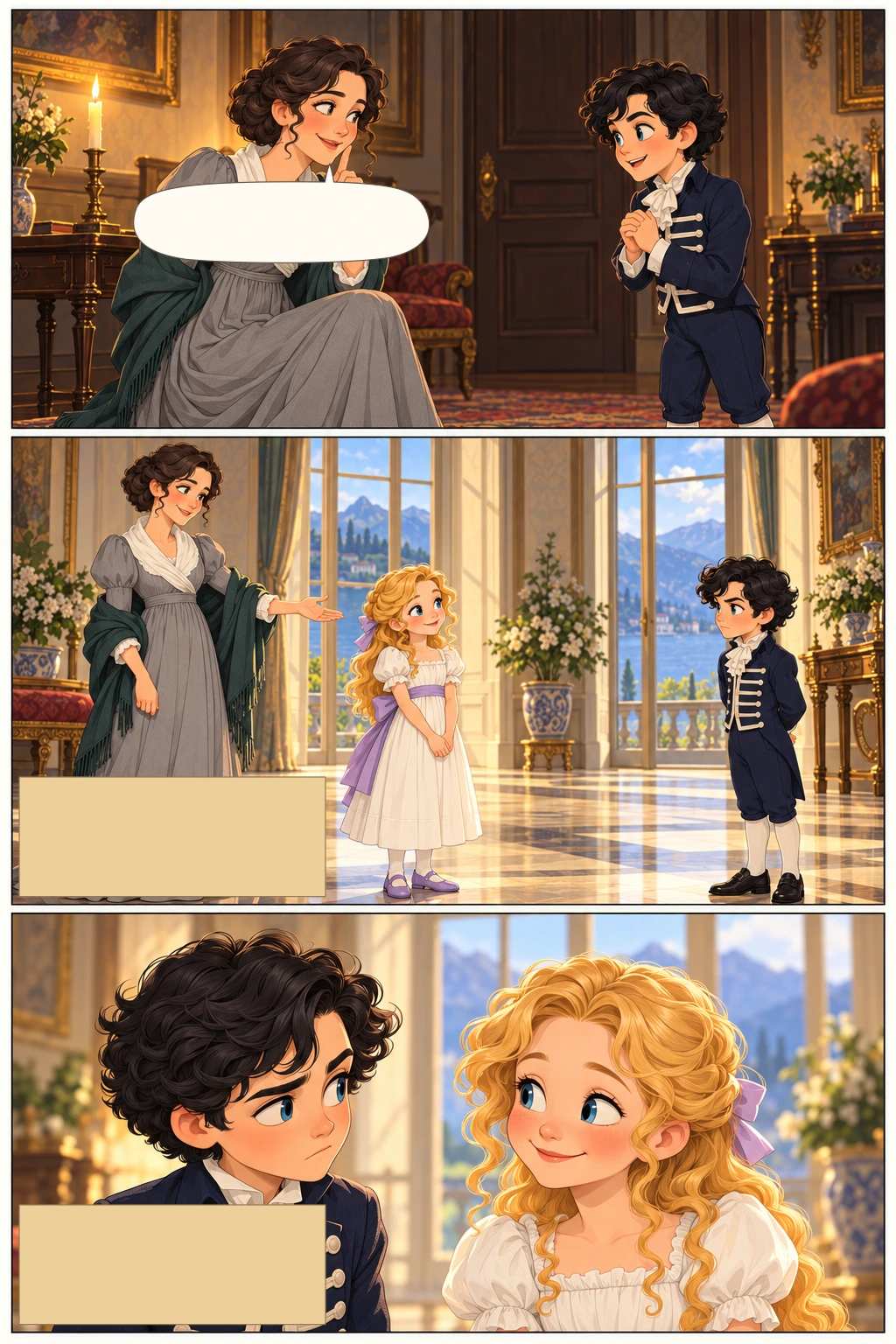
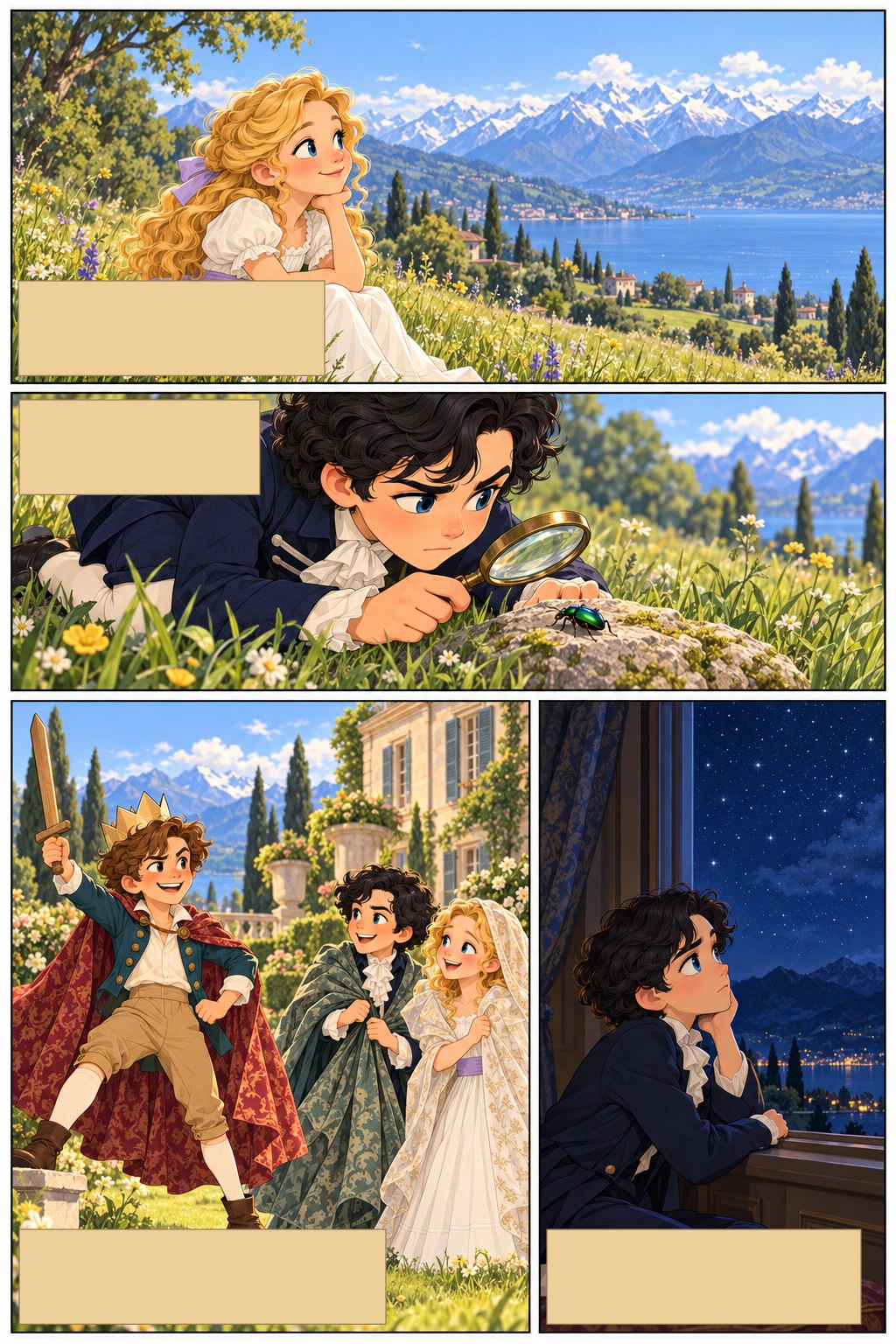
End of the free preview
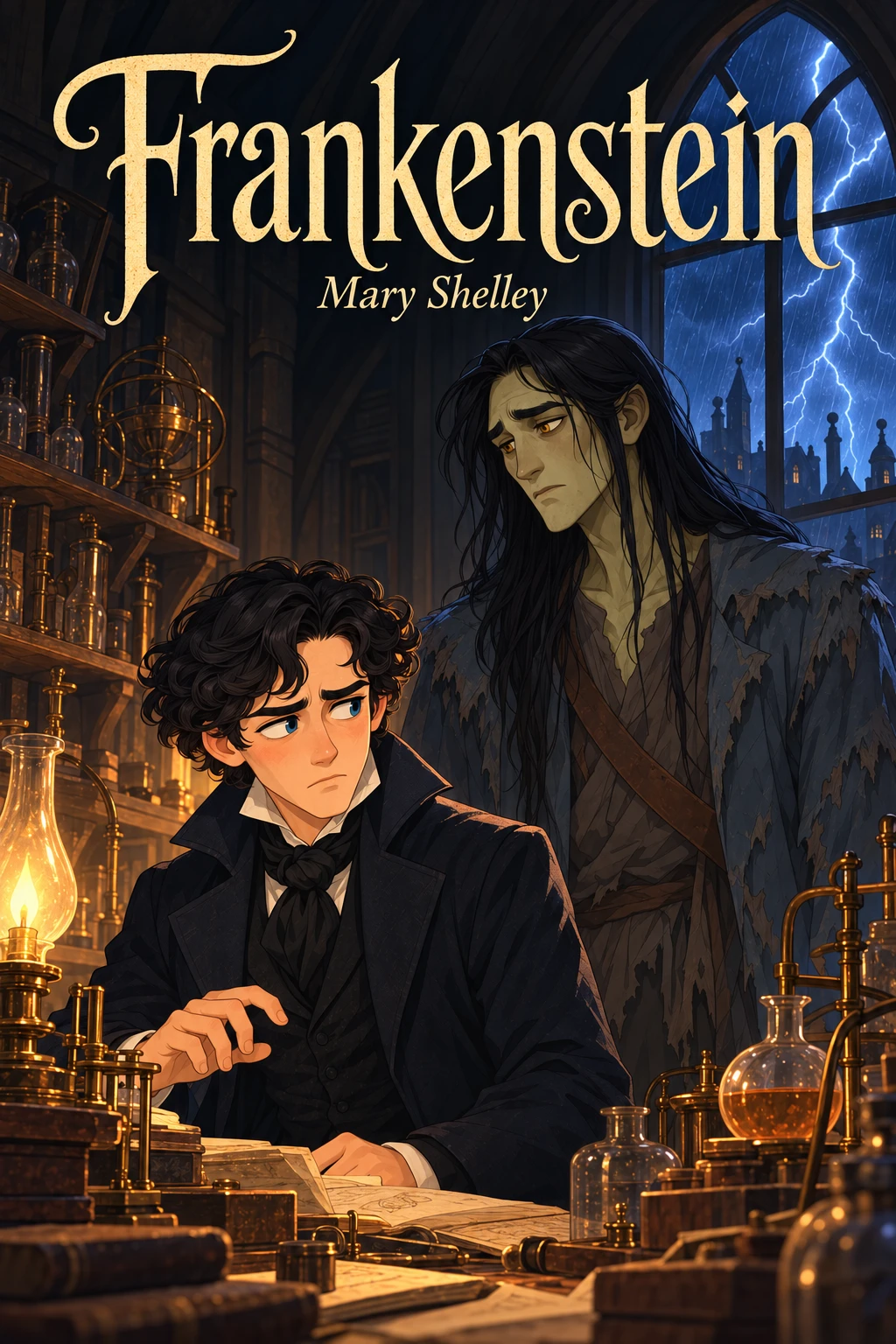
Comic edition
Read the rest of Frankenstein
Every comic in our library, and every book you bring, drawn as you read. Cancel anytime.
Continue with Reader · $4.99/moAbout Frankenstein
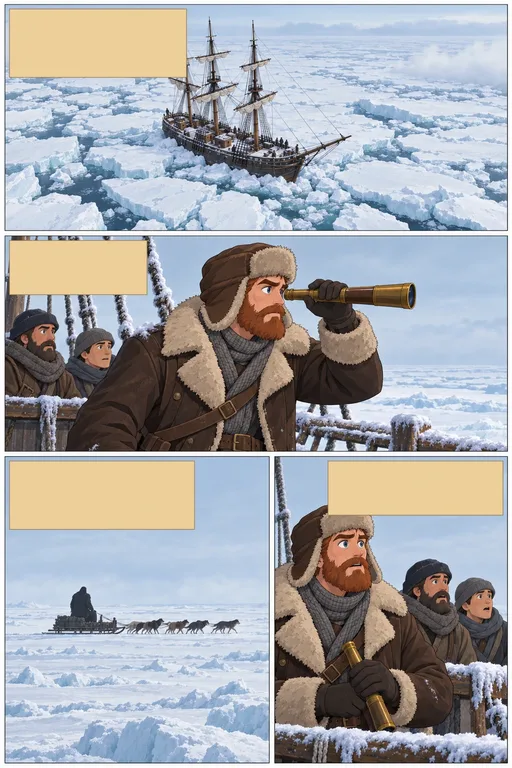
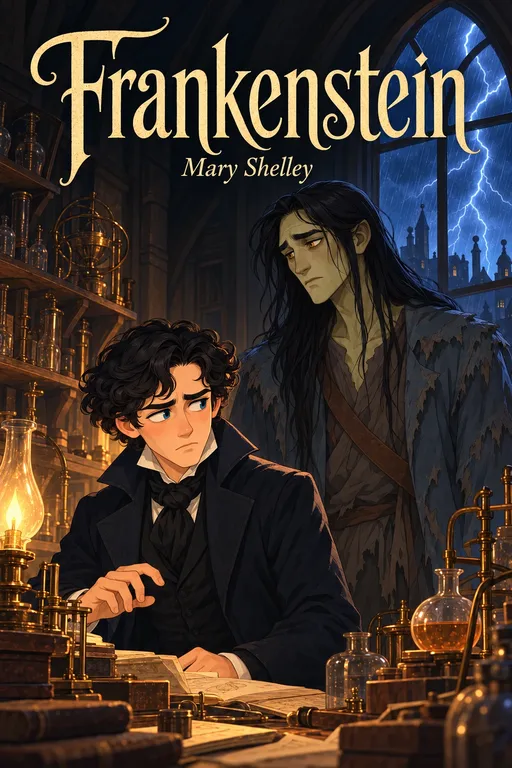
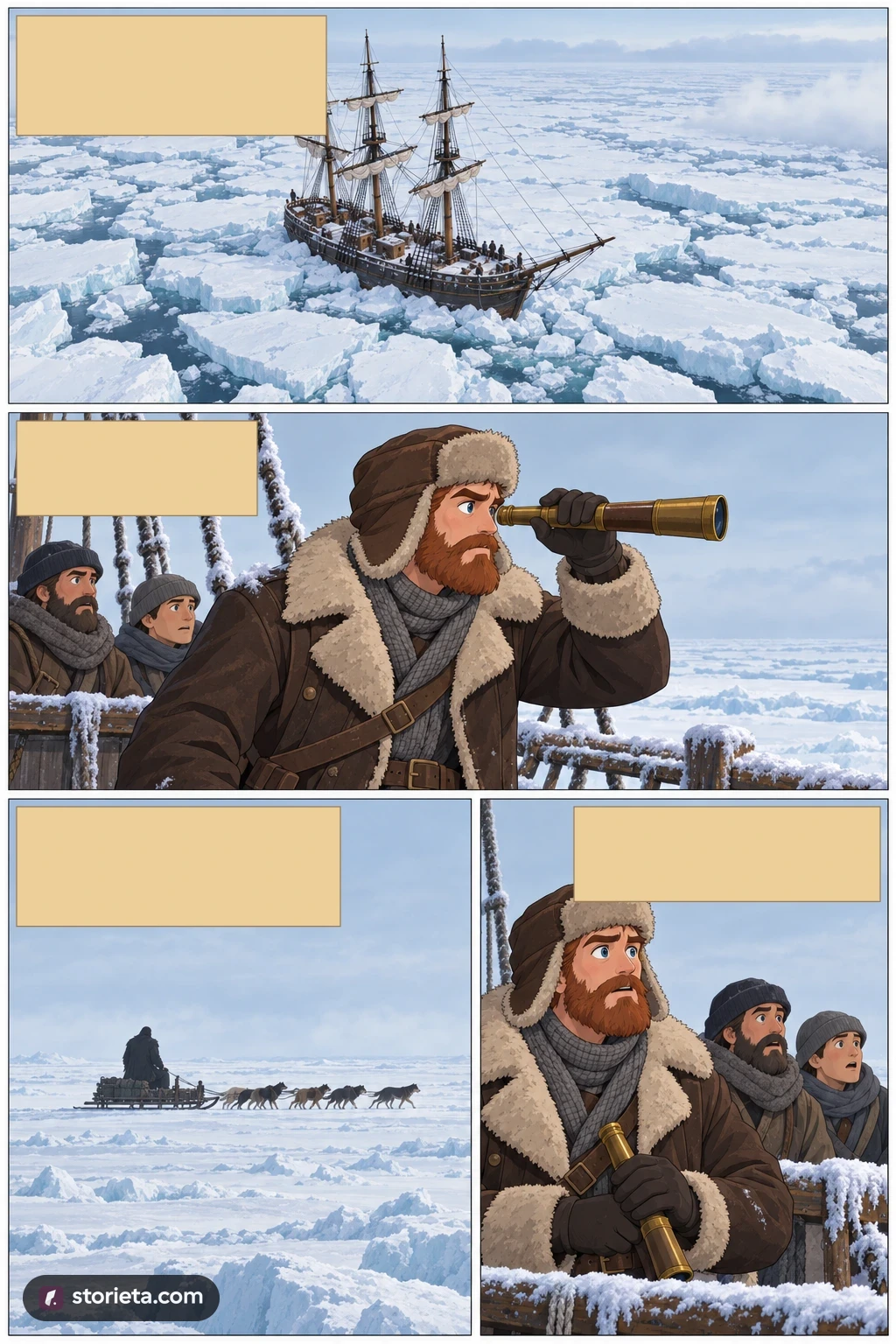
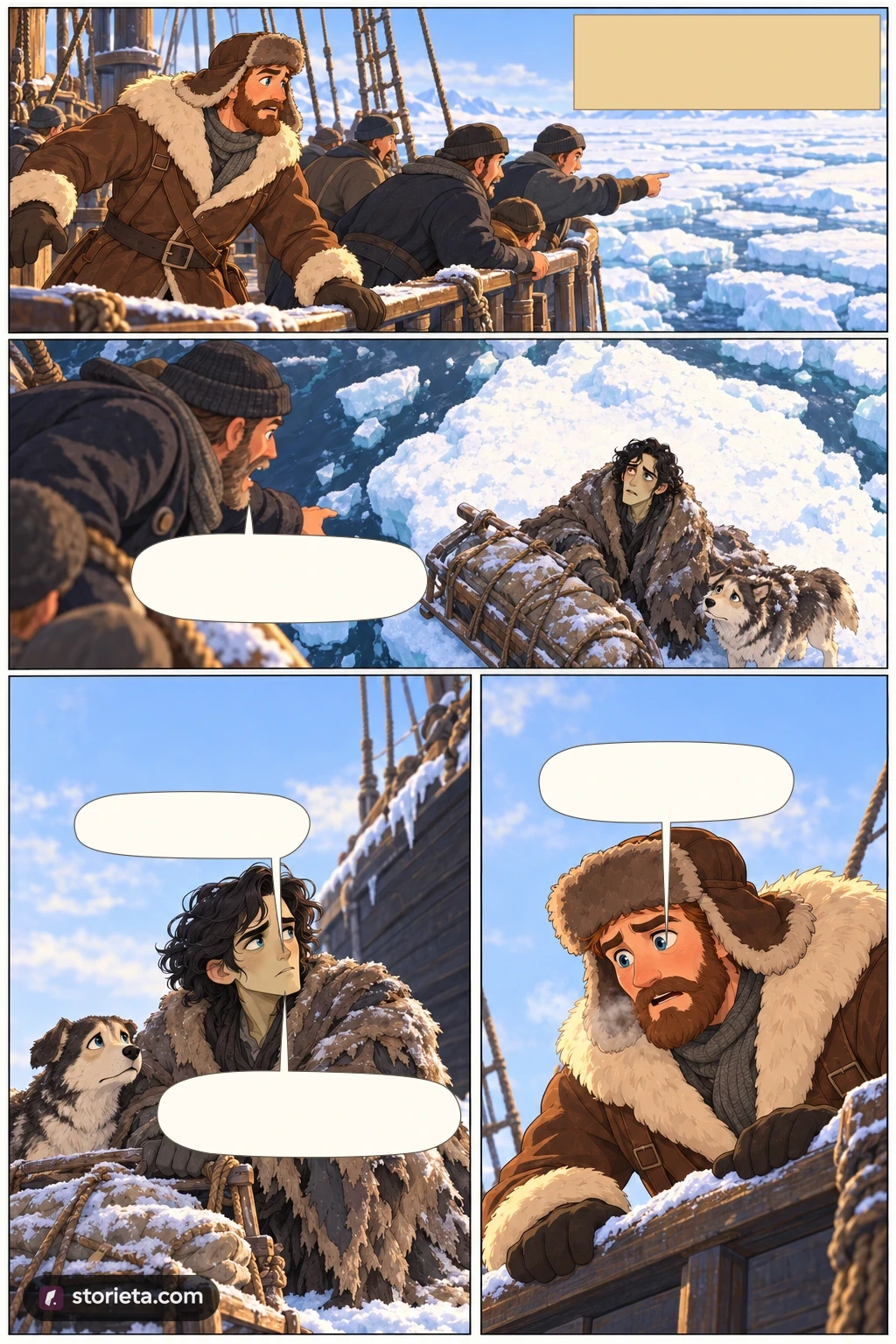
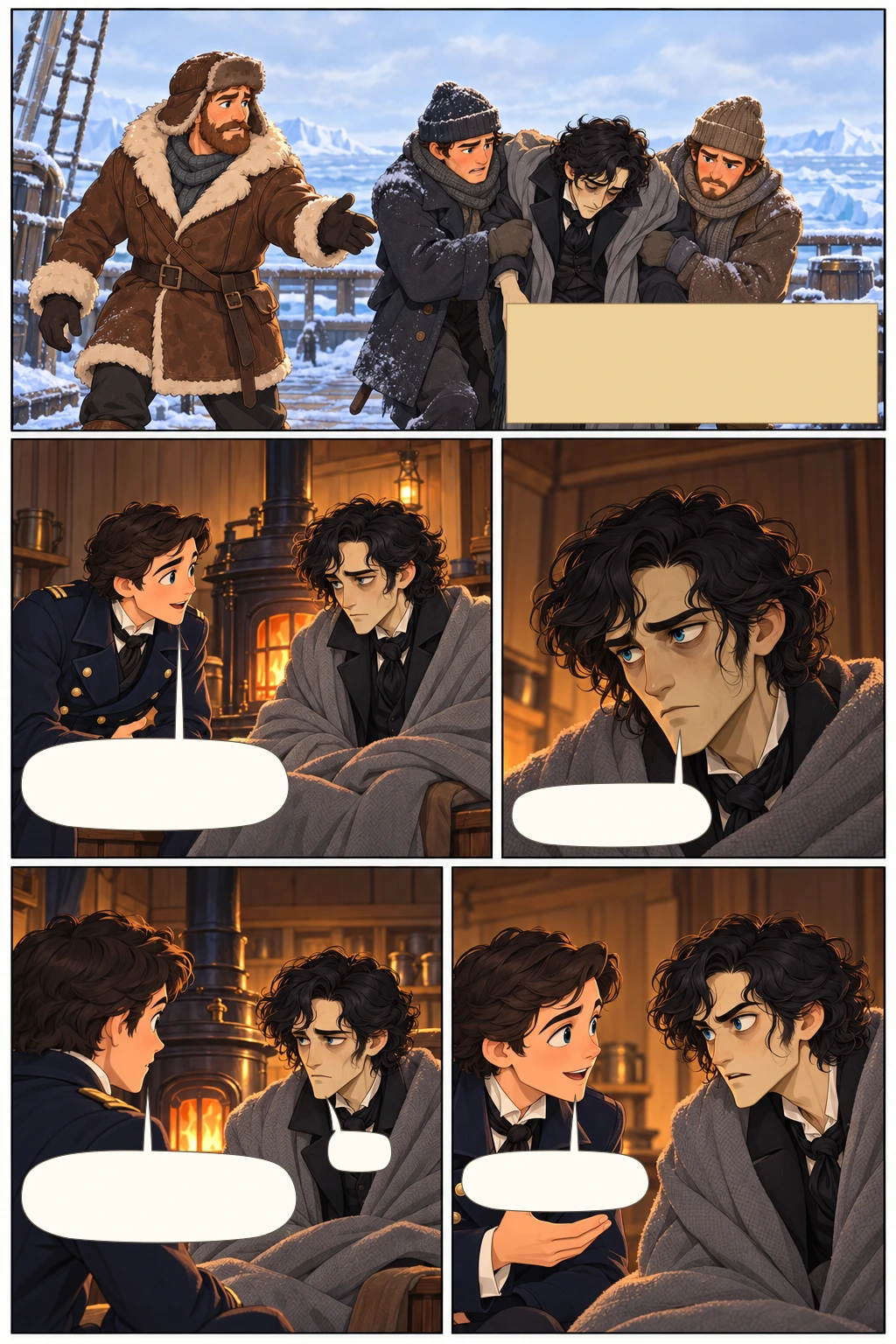
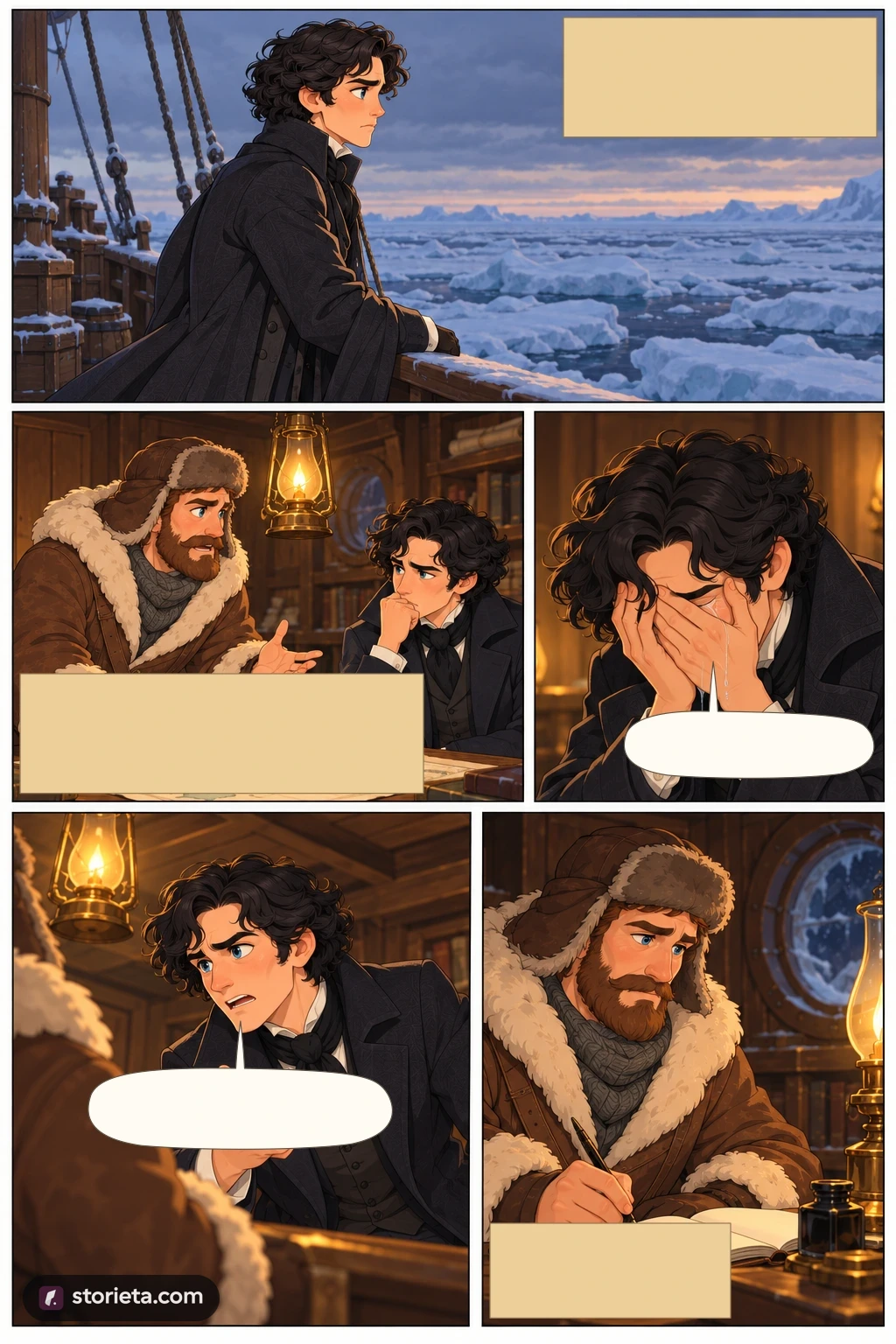
Frankenstein; or, the modern Prometheus is a Gothic tale of science fiction and horror, concerned with scientists, monsters, and the dangerous reach of human ambition. Its world begins amid Arctic exploration, sea voyages, scientific curiosity, and the dream of entering regions no one has yet visited. Robert Walton’s letters to his sister establish a setting of ice, isolation, peril, and wonder, while his longing for discovery is matched by a deep need for friendship and moral companionship. The book invites readers into an atmosphere where grand hopes and foreboding travel together, and where the pursuit of knowledge may lead far beyond ordinary human experience.
Shelley’s prose is formal, eloquent, and richly imaginative, with the emotional intensity associated with Gothic and Romantic writing. The epistolary beginning gives the narrative an intimate, reflective voice, while its descriptions of polar landscapes, ambition, loneliness, and the sublime create a mood both beautiful and uneasy. Written in the early nineteenth century, it suits readers drawn to atmospheric horror, philosophical questions about science and responsibility, adventurous voyages, and heightened language. Those who appreciate thoughtful monsters and stories that place human feeling alongside the marvellous will find a compelling invitation here.
More illustrated classics
Every one opens with a free preview.
Illustrated openings drawn page by page. No signup to start reading.
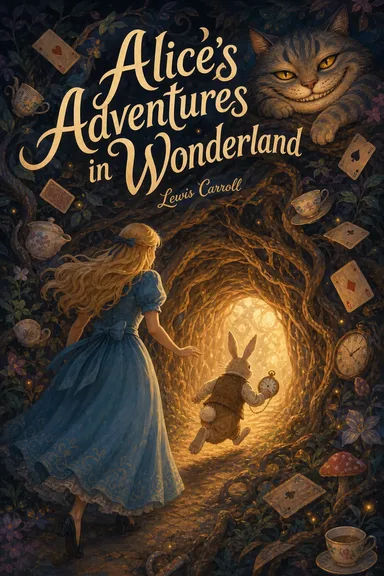 Alice's Adventures in WonderlandPreview free
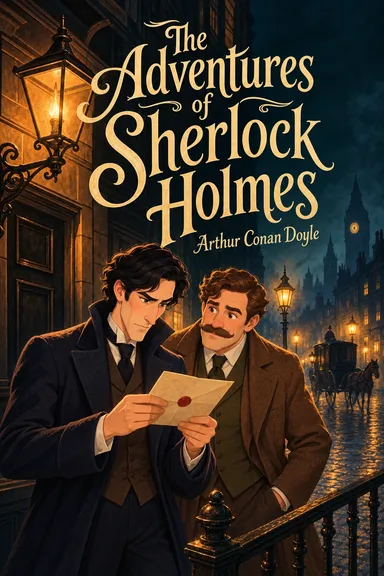 The Adventures of Sherlock HolmesPreview free
 The Great GatsbyPreview free
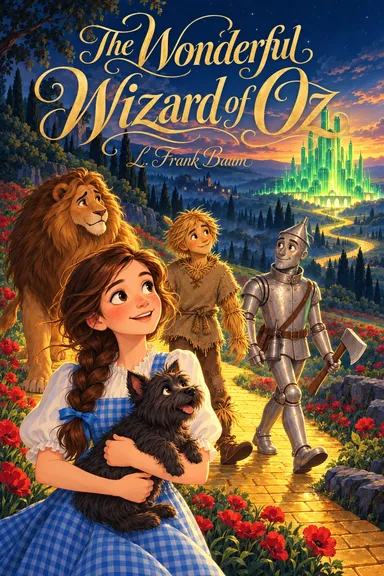 The Wonderful Wizard of OzPreview free
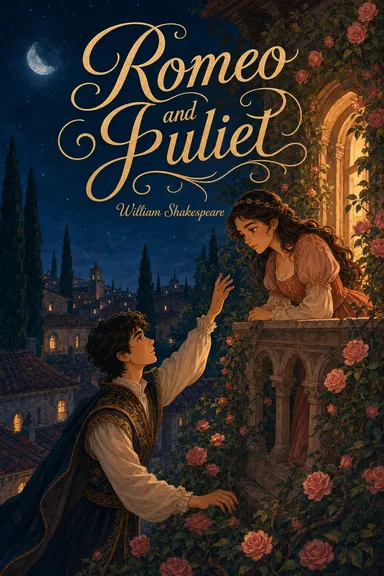 Romeo and JulietPreview free
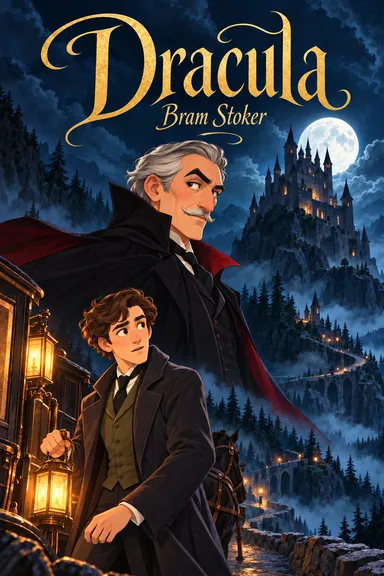 DraculaPreview free
 Pride and PrejudicePreview free
 A Christmas CarolPreview free
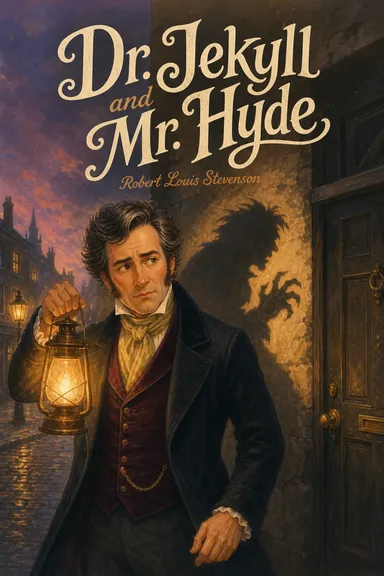 Dr. Jekyll and Mr. HydePreview free
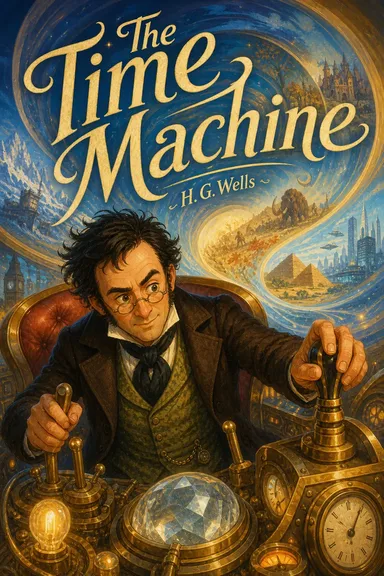 The Time MachinePreview free