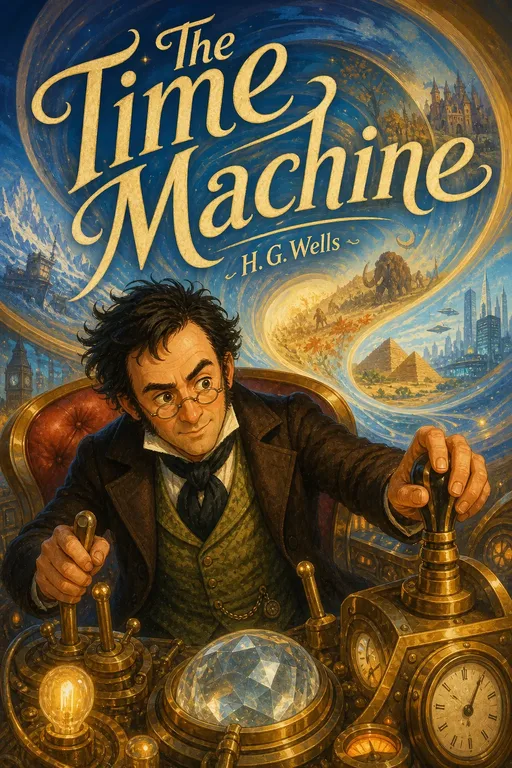
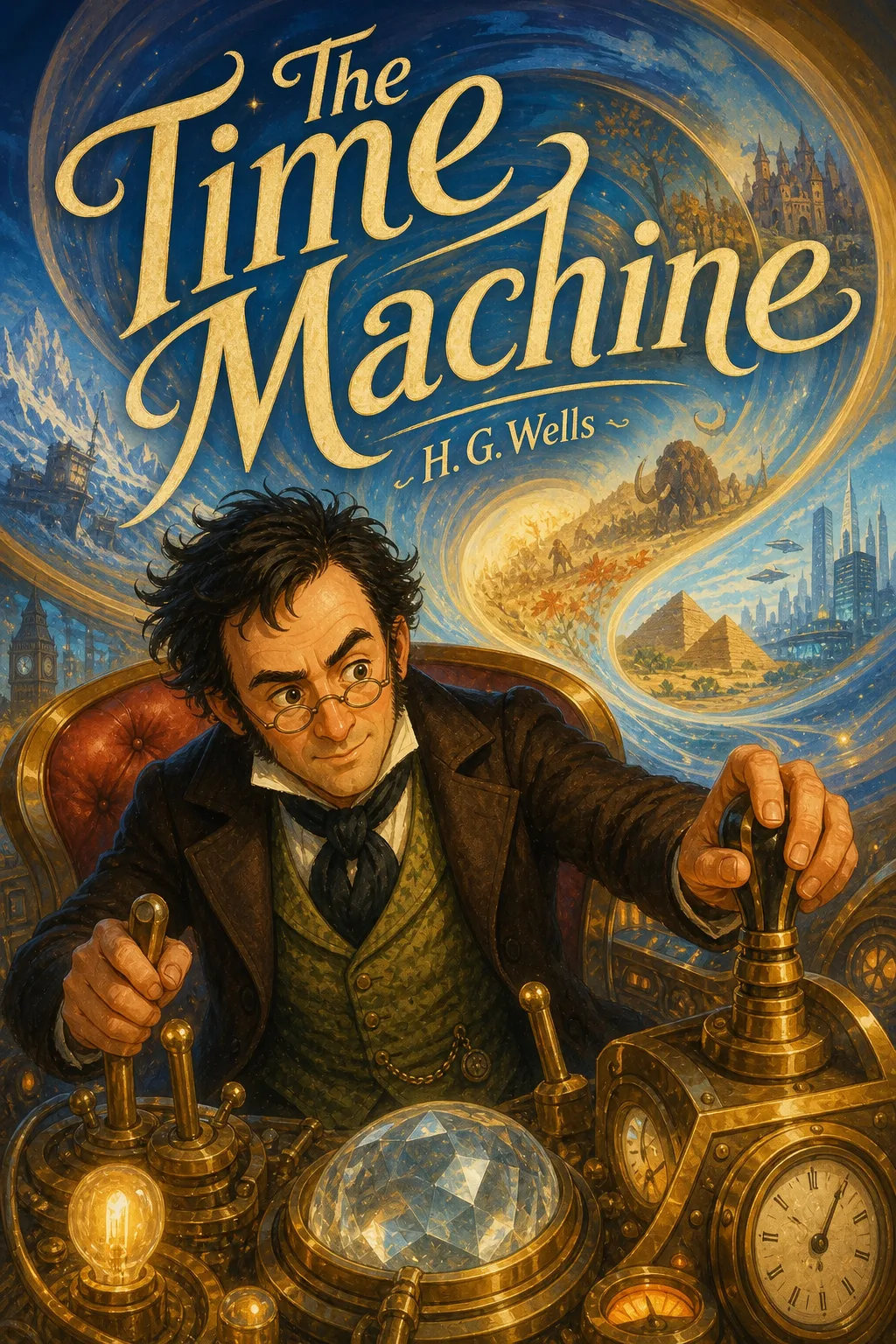
The Time Machine
by H. G. Wells1895
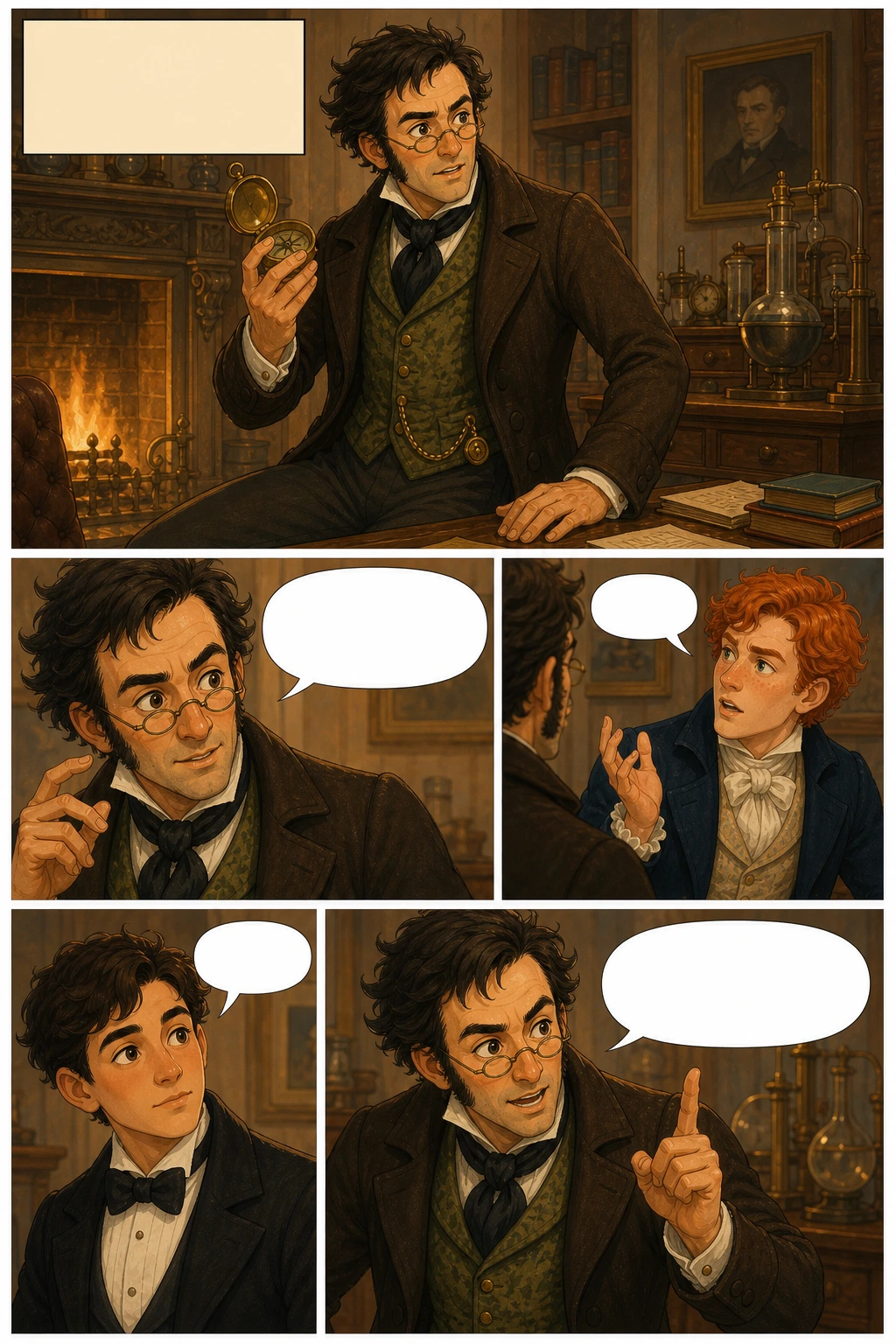
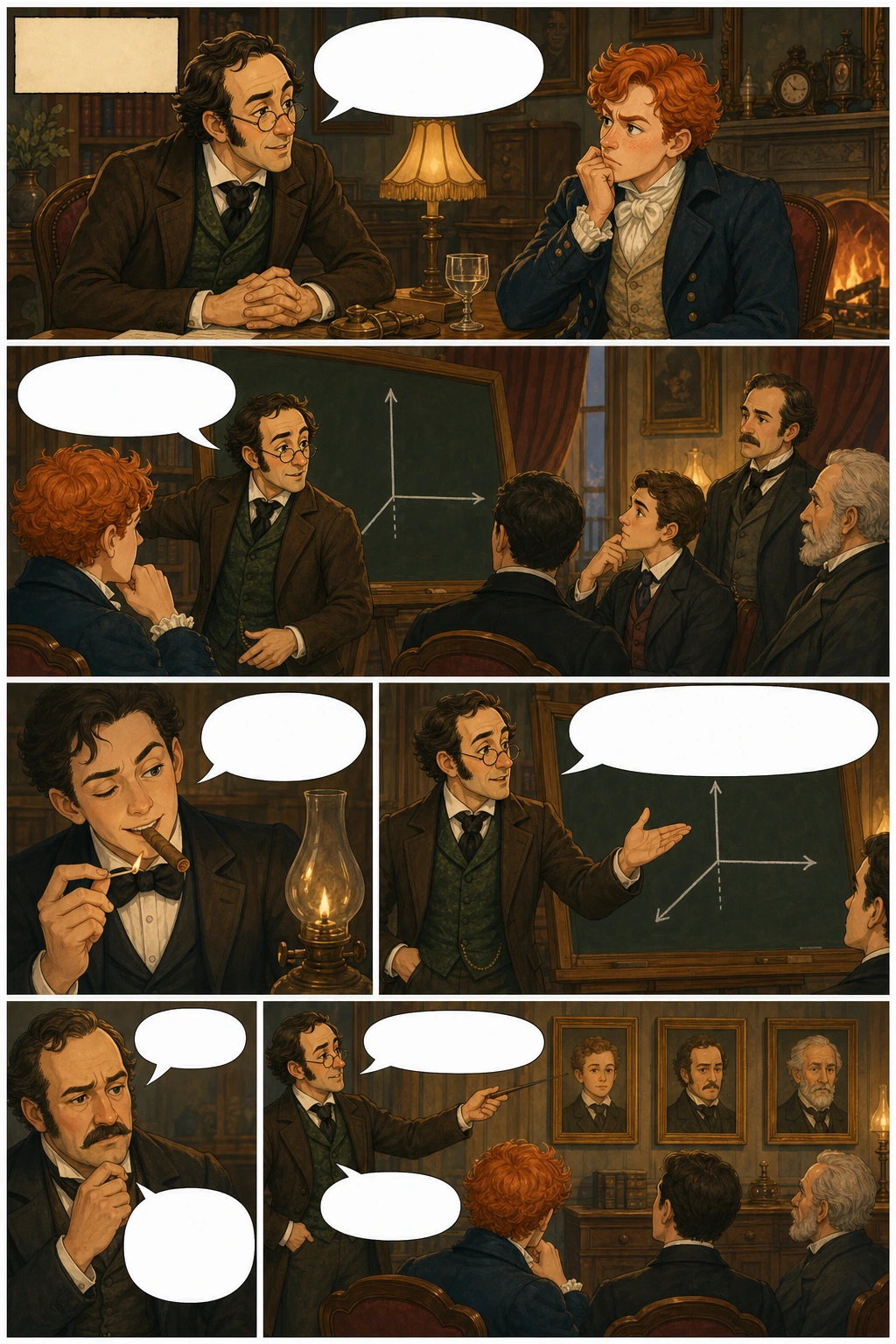
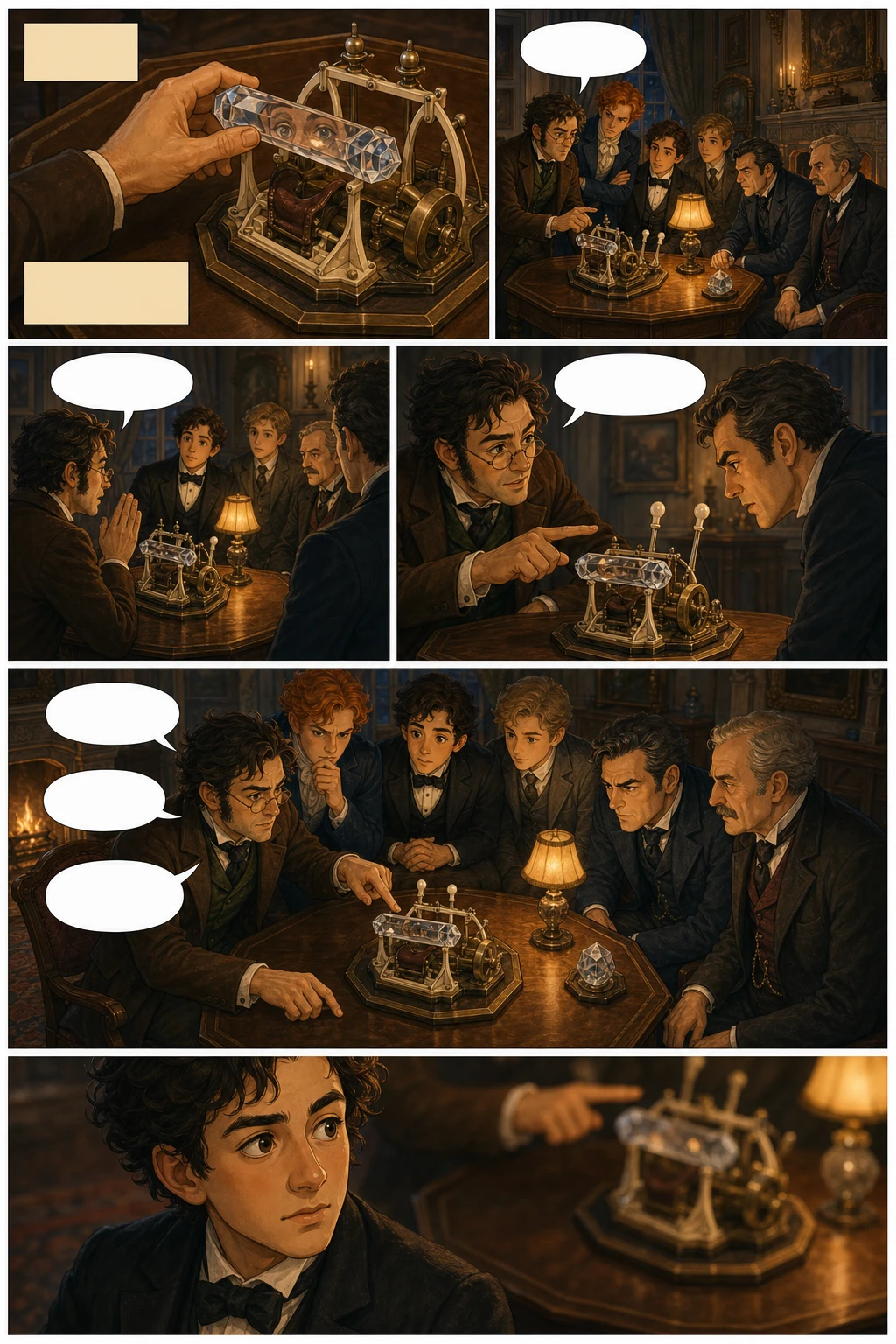
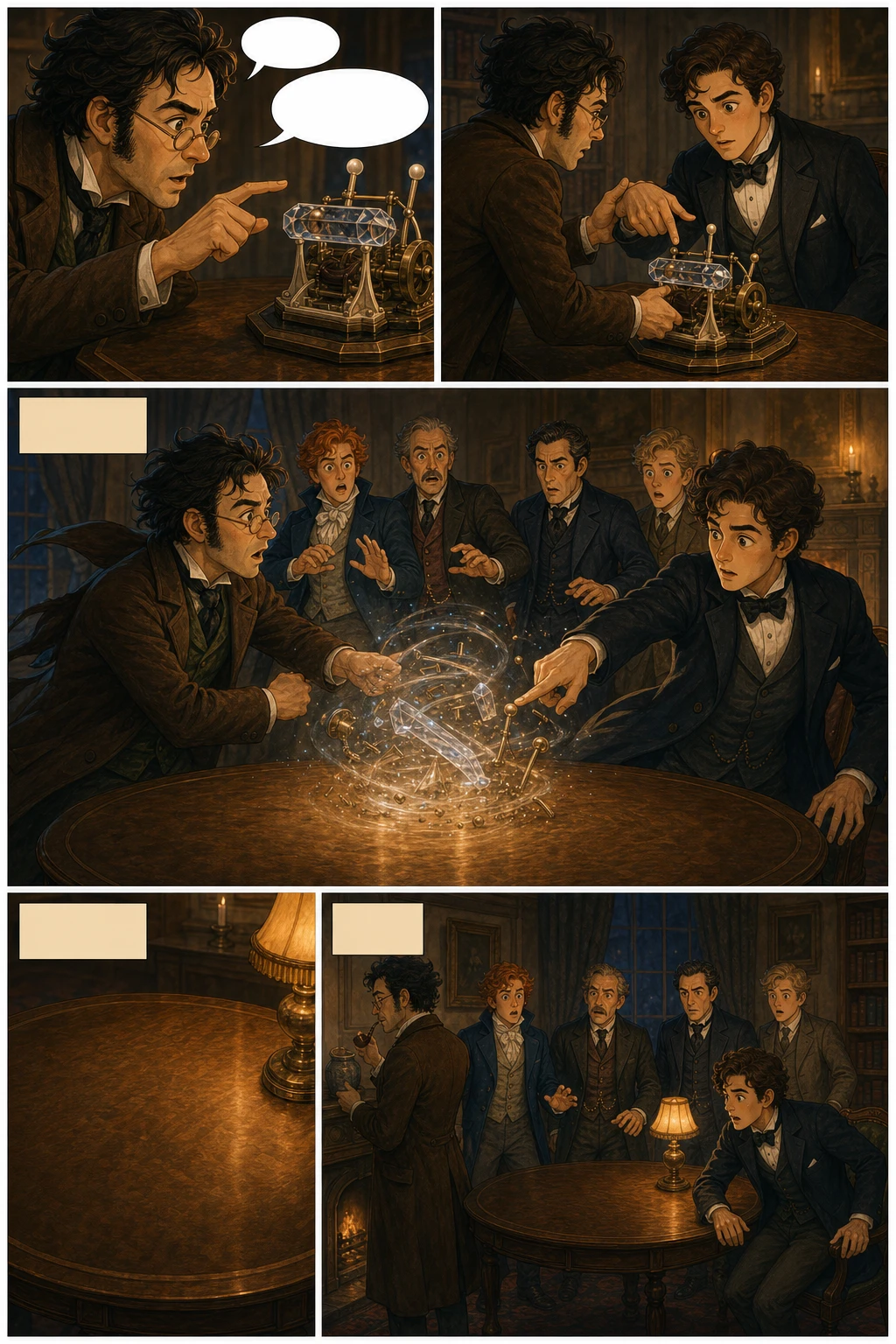
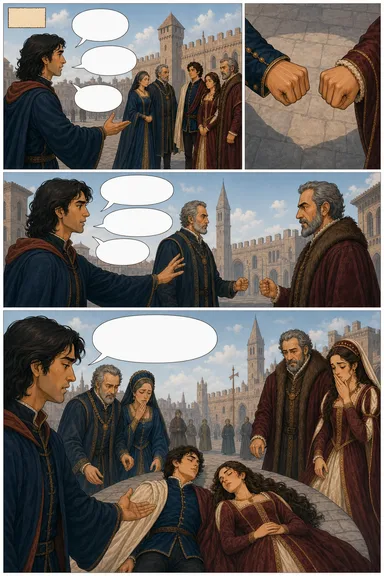
A dinner-party argument about the fourth dimension, settled with a working prototype.
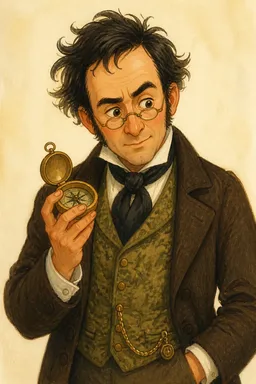

The story opens
End of the free preview
Unlock the complete comic.
A free account comes with the credits to unlock this complete edition and keep it in your library.
How the cast of The Time Machine connects
Drawn from who shares scenes with whom in the original text. Each bond is labeled from the pair's first scene together, so the map stays spoiler-light.
About The Time Machine
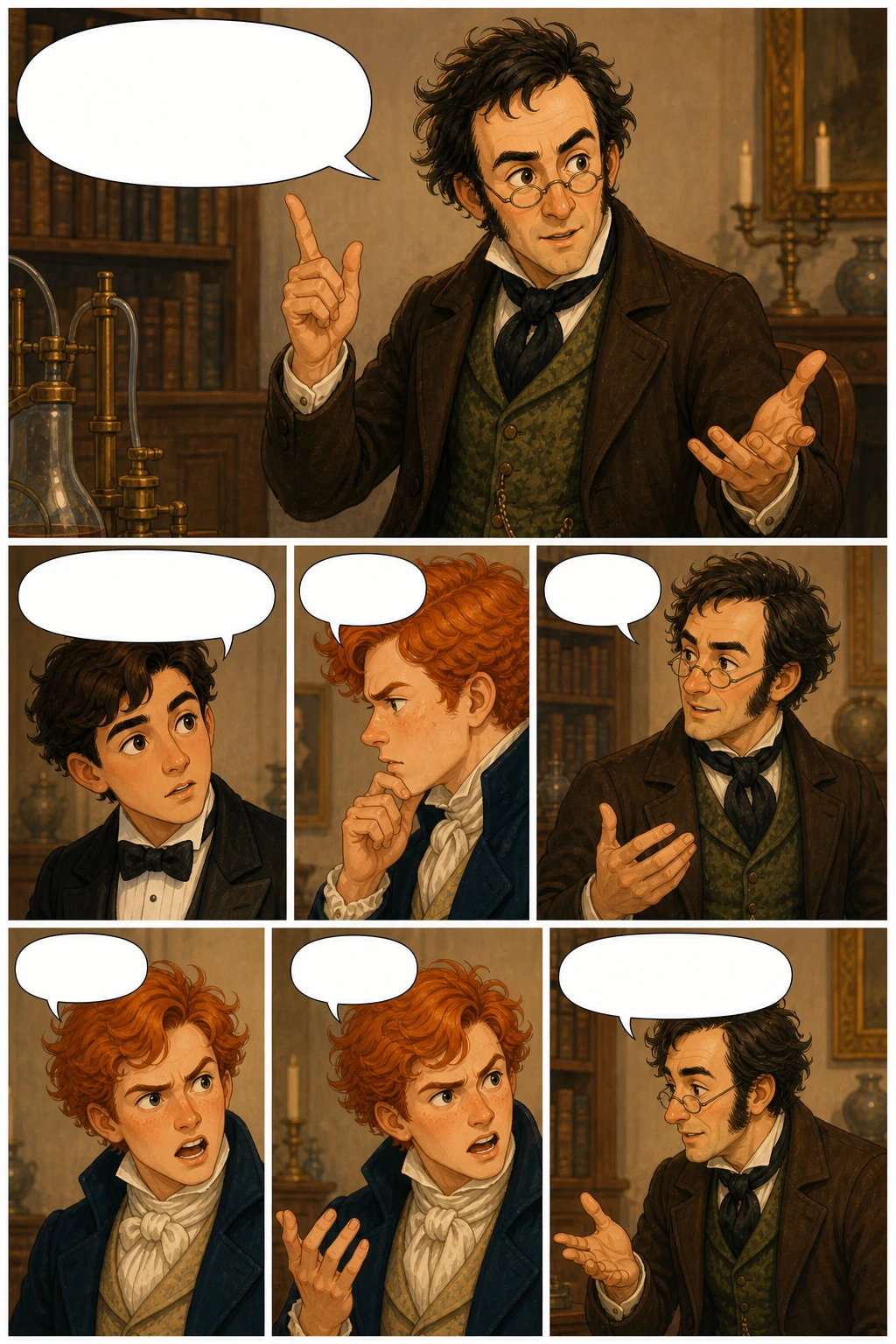
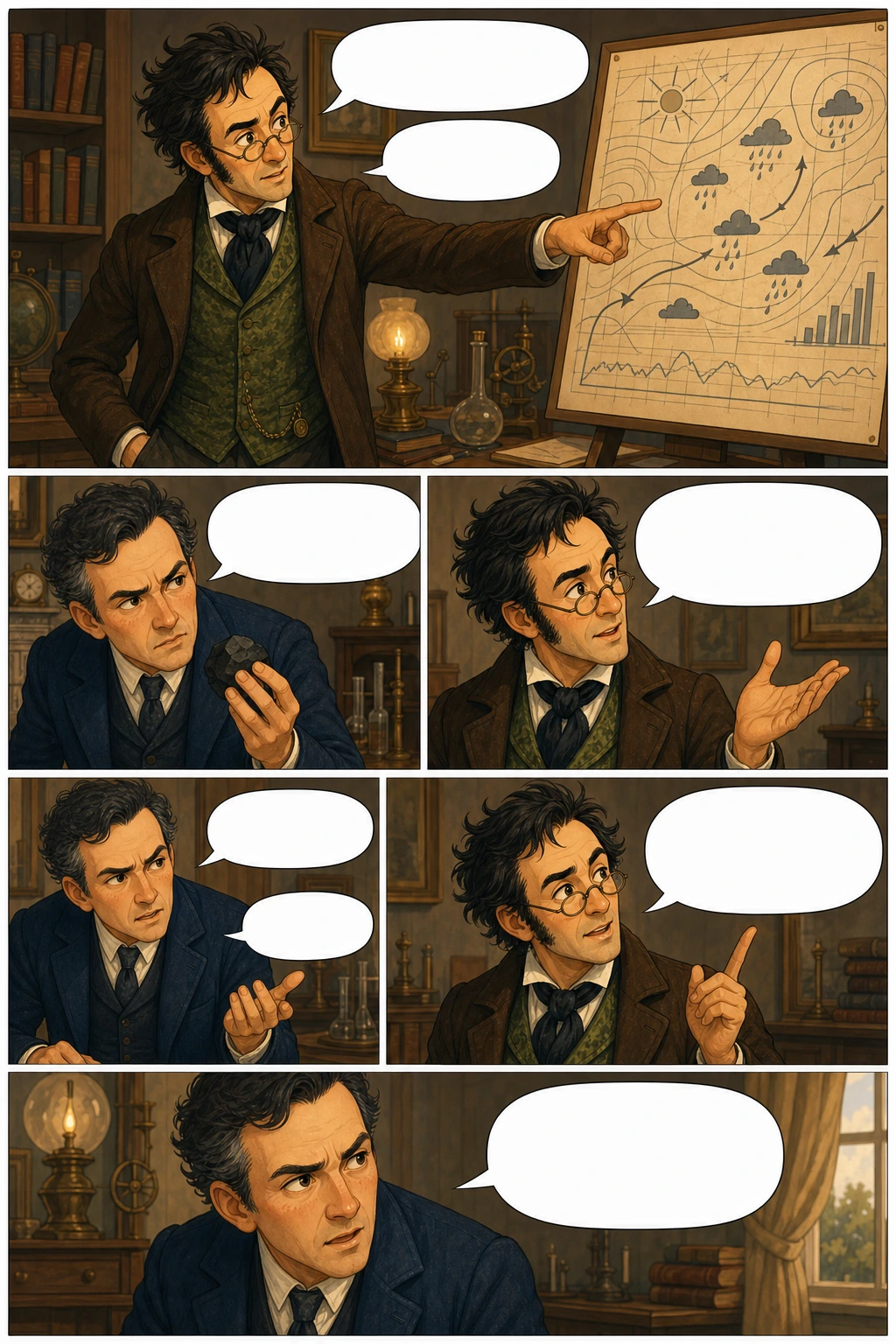
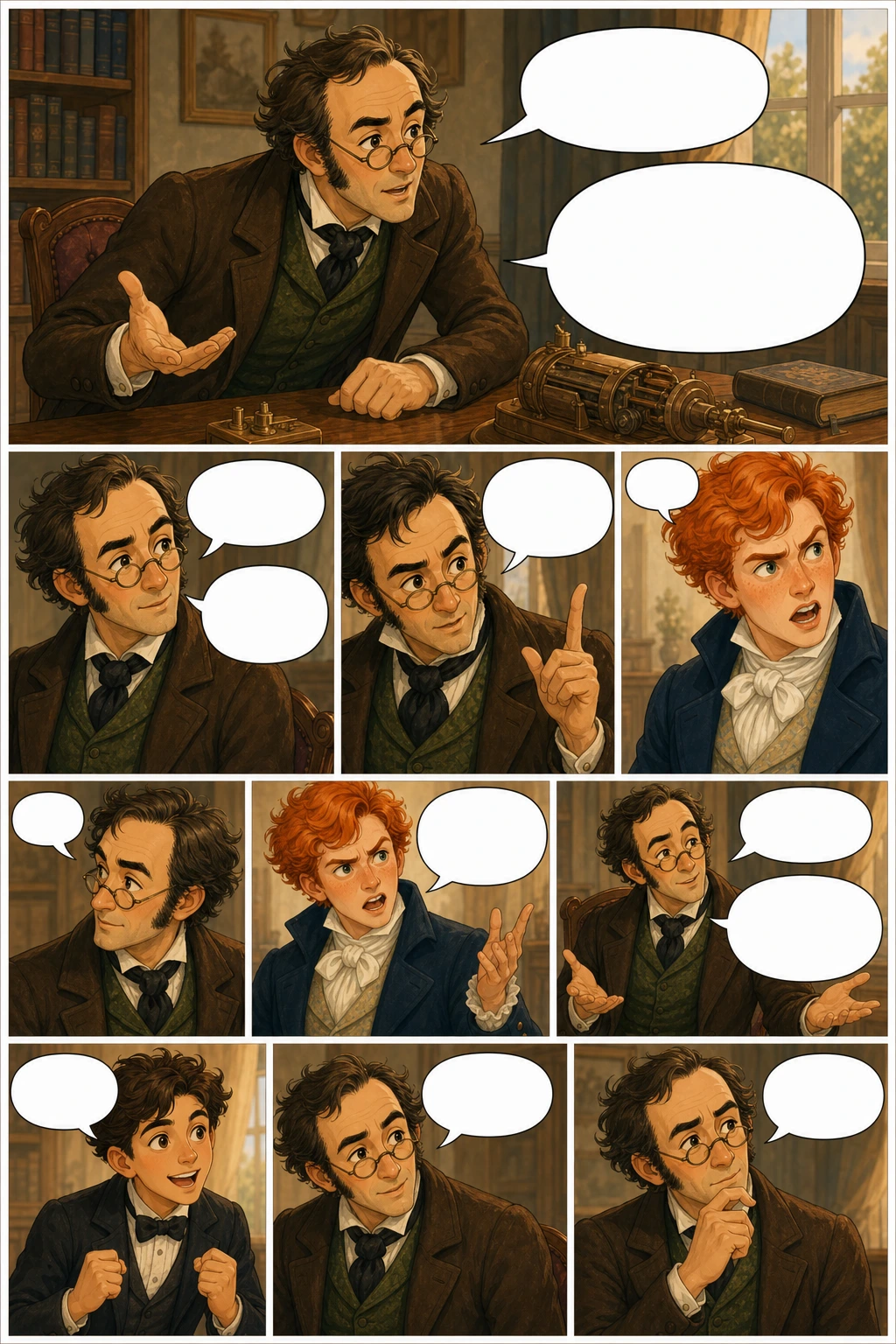
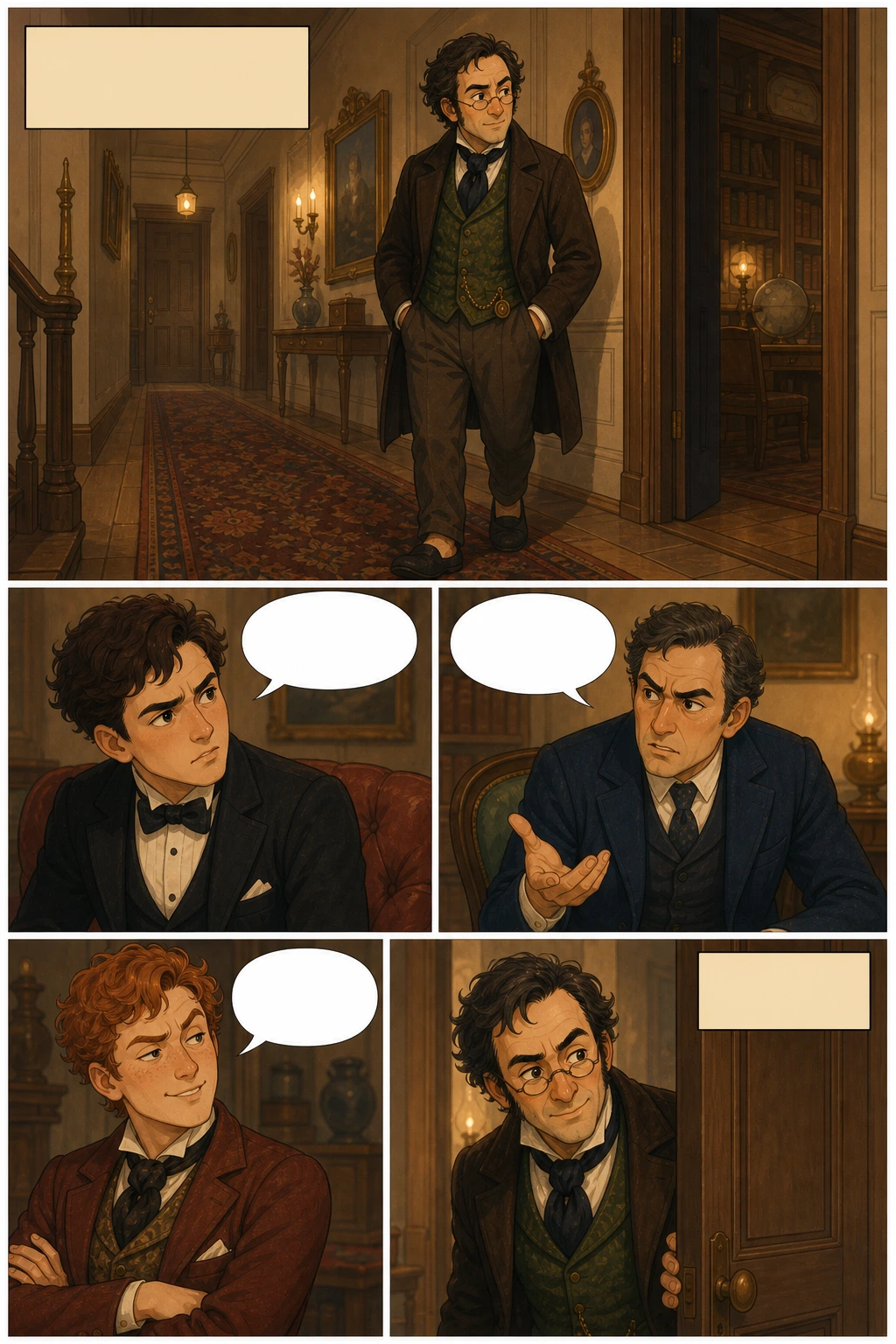
The novel unfolds as a speculative dialogue among a small circle of Victorian gentlemen gathered around a fire, where the enigmatic Time Traveller proposes a radical re‑examination of geometry and the nature of existence. By treating time as a fourth spatial dimension, he challenges the accepted limits of perception and hints at a contrivance capable of moving beyond the ordinary flow of moments. The narrative proceeds from philosophical debate to the unveiling of a delicate, clock‑like apparatus, setting the stage for an experiment that promises to breach the barrier between past, present, and future. This blend of scientific speculation and imaginative engineering situates the work firmly within the science‑fiction tradition while retaining the hallmarks of a dystopian meditation on humanity’s relationship to progress.
Wells’s prose is marked by a measured, almost conversational cadence that reflects the late‑nineteenth‑century salon atmosphere he recreates. The language is precise yet lyrical, weaving technical exposition with the quirks of his characters’ personalities. Readers who relish intellectual puzzles, enjoy early speculative fiction, and appreciate a measured, dialogue‑driven style will find the book’s blend of philosophical inquiry and narrative intrigue compelling.
The Time Machine by H. G. Wells its book page, where the opening is free to read with no account.
More illustrated classics
Every one opens with a free preview.
Illustrated openings drawn page by page. No signup to start reading.