About this book
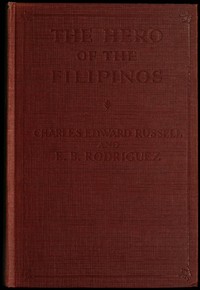
The work is a scholarly biography that seeks to bring together the scattered sources on José Rizal for an American readership. Its opening pages explain that the most authoritative studies, Retana’s massive Spanish‑language volume and Professor Austin Craig’s Manila‑published research, are largely inaccessible outside the Philippines, and that even the brief sketches accompanying early English translations of Rizal’s novels remain confined to local libraries. The authors describe how they have collated these materials, cross‑checking them against Rizal’s own diary entries, the translations of Charles Derbyshire, and a host of contemporary Philippine scholars, while also drawing on the Philippine Library’s collections and personal recollections from figures such as Fernando Canon. The result is a meticulously referenced narrative that begins with a stark portrait of Spanish oppression in the Philippines, setting the stage for the life of Rizal’s father, Francisco Mercado, and the environment that shaped the future national hero.
Written in a formal, early‑twentieth‑century academic tone, the book reflects the meticulous research practices of its 1923 publication date. Its prose is dense but clear, interweaving factual footnotes with vivid descriptions of colonial brutality and Filipino resilience. Readers who appreciate thorough historical scholarship, particularly those interested in colonial Southeast Asia, the roots of Philippine nationalism, or the intellectual legacy of Rizal, will find this volume rewarding. It also appeals to scholars of comparative colonial studies who seek a detailed case study grounded in primary sources and contemporary commentary.