The story these characters live in
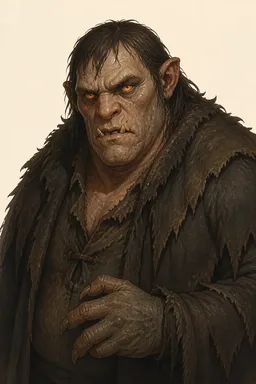
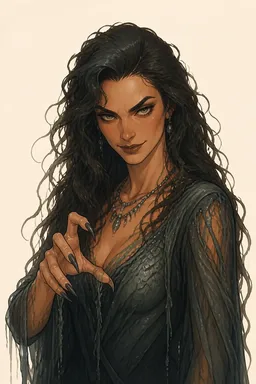
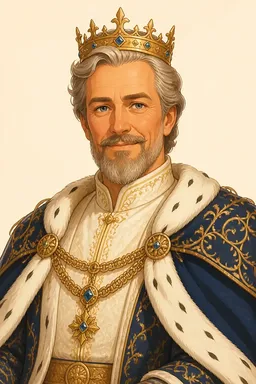
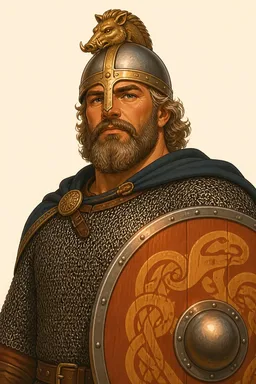
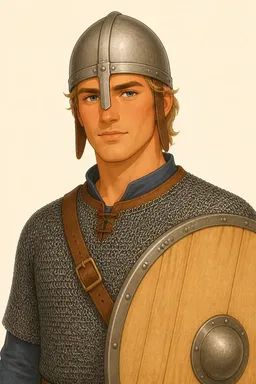
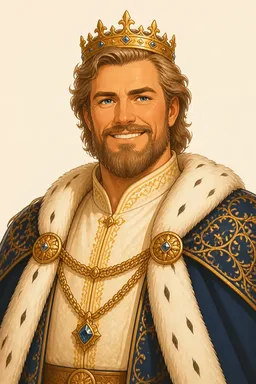
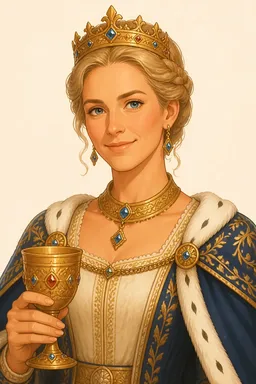
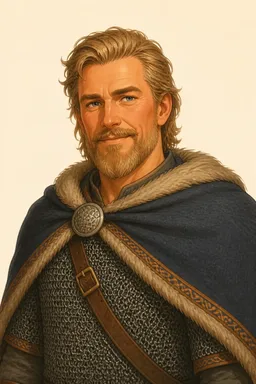
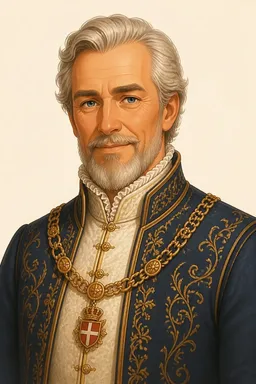
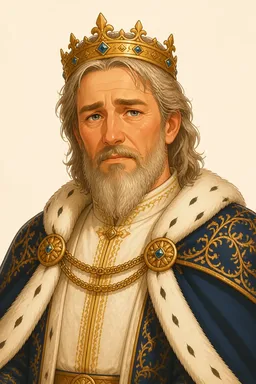
Beowulf: An Anglo-Saxon Epic Poem is a heroic narrative of kings, warriors, loyalty, violence, and supernatural threat. It begins among the Spear-Danes, tracing the fame of their rulers and the customs that bind a lord to his retainers. At the center of their world stands Heorot, a magnificent mead-hall built for feasting, gift-giving, music, and shared glory. That joy is threatened by Grendel, a terrifying monster from the moors who brings years of grief and destruction. Hearing of the Danes’ suffering, Beowulf, the strongest of the Geats, crosses the sea with fourteen companions to offer aid. Monsters and dragons shape the poem’s dangerous imaginative world, alongside battles, fate, faith, and the obligations of kinship.
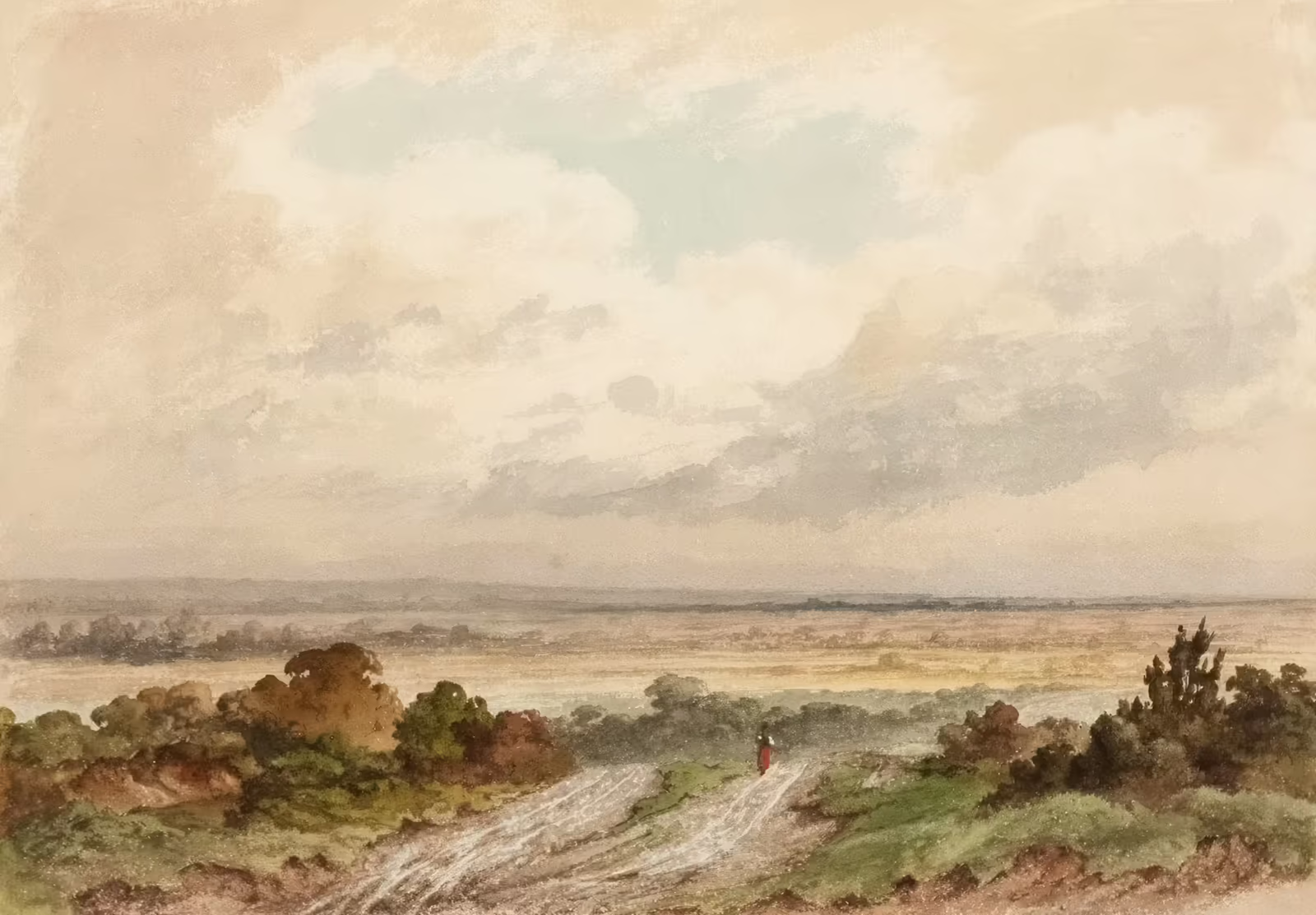
The style is formal, alliterative, and richly archaic, filled with compound expressions such as ring-giver and war-spirit, stately speeches, genealogies, and vivid images of halls, armor, ships, marshes, and the sea. This English rendering preserves the elevated manner of an early medieval Germanic epic while presenting the poem in readable modern spelling, with scholarly notes on difficult lines and variant interpretations. It suits readers drawn to Old English literature, heroic legend, monster poetry, and the solemn atmosphere of a world governed by honor, memory, and fate.