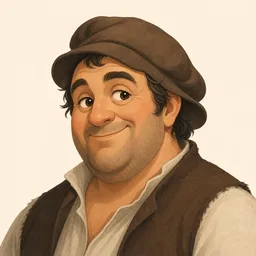
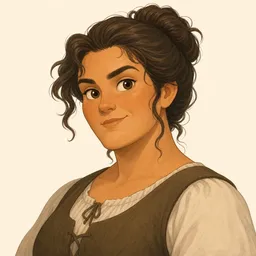
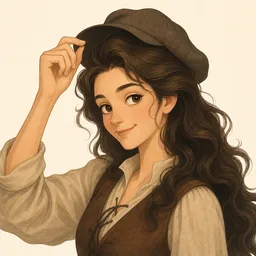
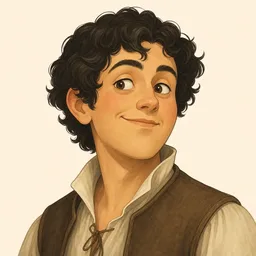
The story these characters live in
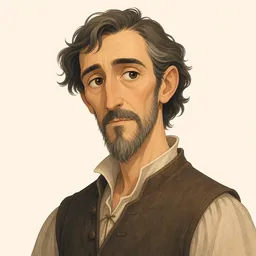
Don Quixote is a comic romance of 16th-century Spain, shaped by tales of knights, adventure, love, and misadventure. It follows an ingenious gentleman of La Mancha whose reading and imagination lead him to take up the identity of a wandering knight. He sets out from home, has himself dubbed a knight, mistakes an inn for a castle, and encounters windmills, goatherds, prisoners, penitents, shepherds, and other figures along the roads and in the inns of Spain. His conversations with his squire, Sancho Panza, and the recurring tension between chivalric ideals and ordinary life give the book its picaresque energy.
The style is expansive, theatrical, and knowingly playful. A ceremonious narrator presents improbable events as a “veracious history,” while long chapter titles, embedded tales, formal speeches, proverbial exchanges, and sudden physical comedy continually unsettle the language of heroic romance. The period setting and older translation give the prose a stately flavor, but the humor remains lively in the contrast between Don Quixote’s exalted vision and the practical world around him. It will appeal to readers who enjoy mock-heroic adventures, richly drawn social scenes, eccentric companions, and fiction that gently tests the boundary between books, dreams, and reality.