The story these characters live in
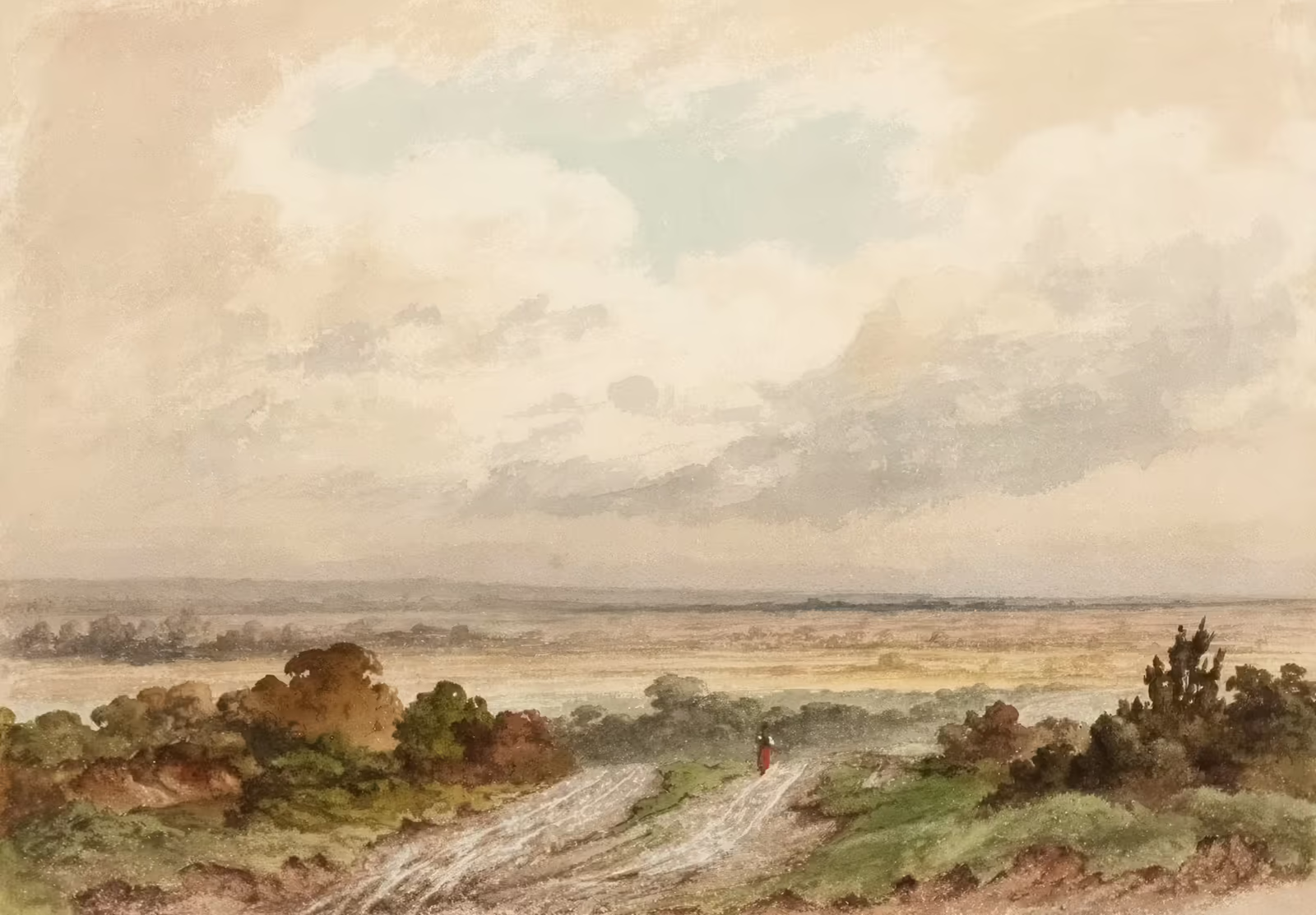
The Great Gatsby is a psychological novel of observation, social contrast, and romantic possibility, set among the wealthy communities of Long Island in the summer of 1922. Its narrator, Nick Carraway, arrives from the Midwest to learn the bond business and rents a modest house near extravagant estates, including the mansion of the enigmatic Gatsby. Through Nick’s wary but receptive perspective, the book examines rich people, married women, first loves, and the uneasy gap between outward privilege and private feeling. The setting is bright with lawns, water, automobiles, fashionable houses, and promises of a new beginning, yet Nick’s judgments suggest that glamour and moral uncertainty will remain closely linked.
Fitzgerald’s prose is elegant, observant, and richly figurative, moving easily from dry social comedy to lyrical descriptions of weather, bodies, voices, and landscapes. Nick’s voice is reflective and intimate: he tries to reserve judgment while recognizing that tolerance has limits, and he is drawn to Gatsby’s extraordinary hope even as he distrusts the world surrounding it. Written in the atmosphere of the early Jazz Age and shaped by the restlessness following the Great War, the novel suits readers who enjoy polished narration, emotional ambiguity, class tensions, and portraits of people whose self-invention may be as compelling as their circumstances.