Prologue
Enter Chorus.
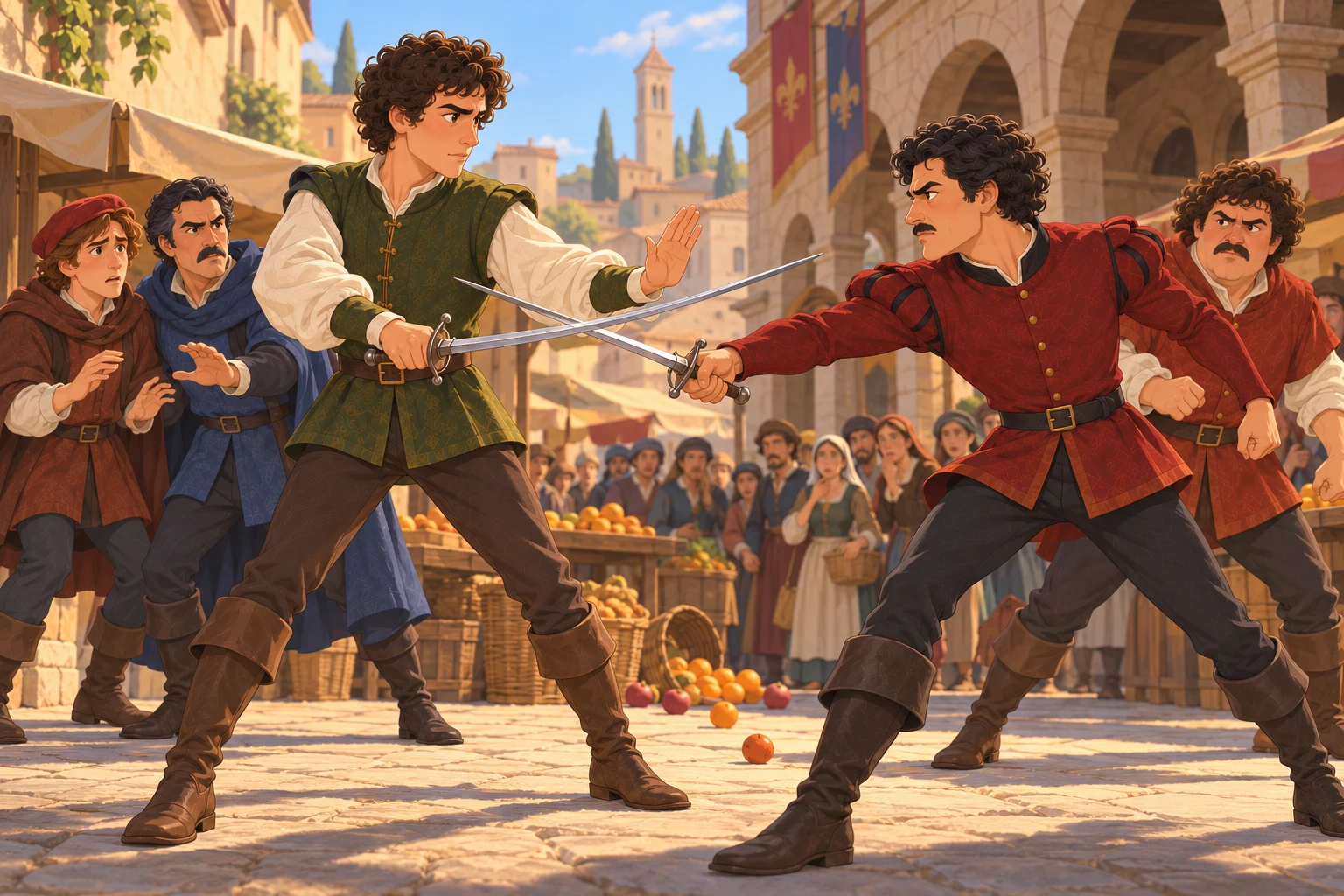
CHORUSTwo households, both alike in dignity, In fair Verona, where we lay our scene, From ancient grudge break to new mutiny, Where civil blood makes civil hands unclean. From forth the fatal loins of these two foes A pair of star-cross’d lovers take their life; Whose misadventur’d piteous overthrows Doth with their death bury their parents’ strife. The fearful passage of their death-mark’d love, And the continuance of their parents’ rage, Which, but their children’s end, nought could remove, Is now the two hours’ traffic of our stage; The which, if you with patient ears attend, What here shall miss, our toil shall strive to mend.
Exit.
Act I · Scene I
Scene I. A public place.
Enter Sampson and Gregory armed with swords and bucklers.
SAMPSONGregory, on my word, we’ll not carry coals.
GREGORYNo, for then we should be colliers.
SAMPSONI mean, if we be in choler, we’ll draw.
GREGORYAy, while you live, draw your neck out o’ the collar.
SAMPSONI strike quickly, being moved.
GREGORYBut thou art not quickly moved to strike.
SAMPSONA dog of the house of Montague moves me.
GREGORYTo move is to stir; and to be valiant is to stand: therefore, if thou art moved, thou runn’st away.
SAMPSONA dog of that house shall move me to stand. I will take the wall of any man or maid of Montague’s.
GREGORYThat shows thee a weak slave, for the weakest goes to the wall.
SAMPSONTrue, and therefore women, being the weaker vessels, are ever thrust to the wall: therefore I will push Montague’s men from the wall, and thrust his maids to the wall.
GREGORYThe quarrel is between our masters and us their men.
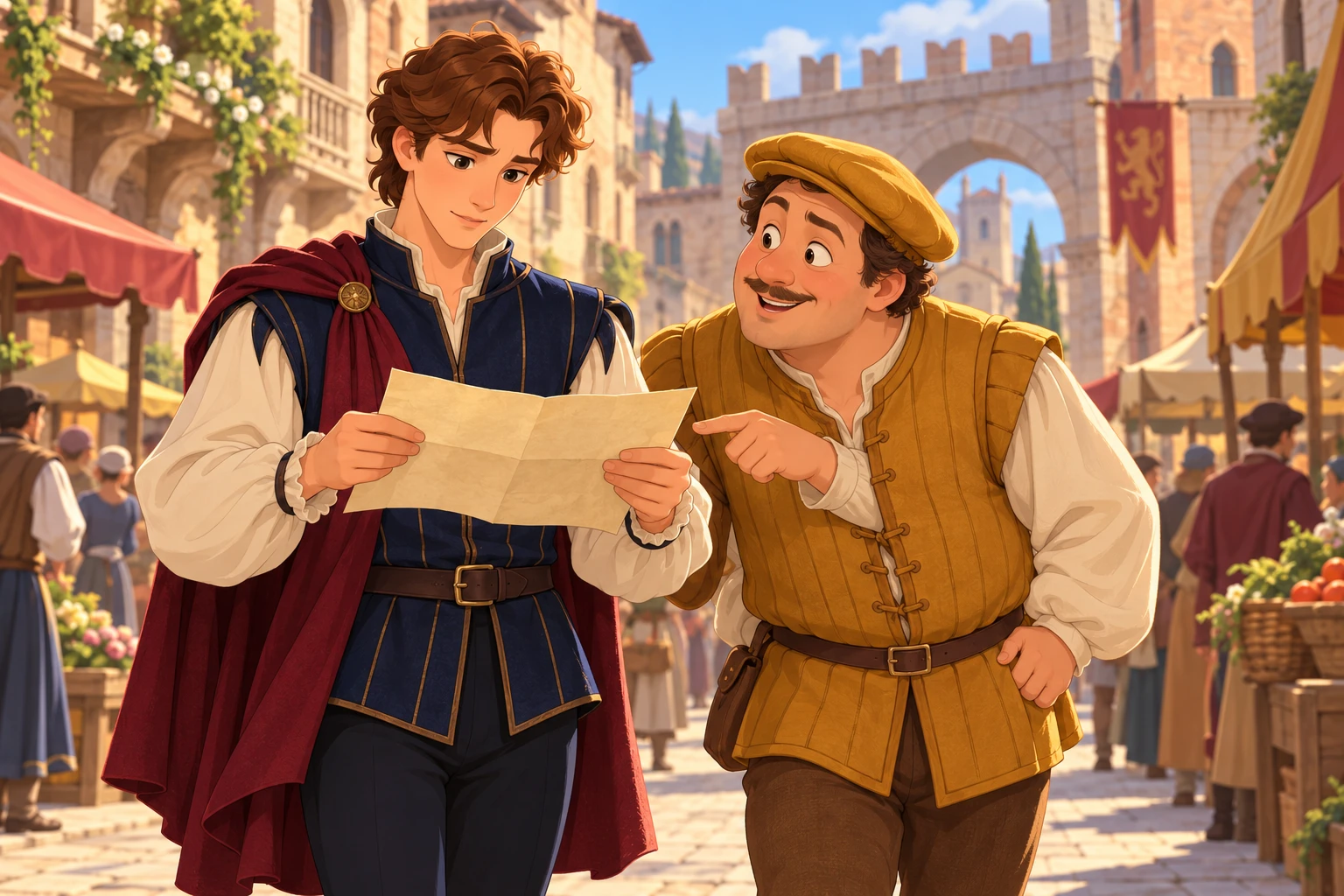
SAMPSON’Tis all one, I will show myself a tyrant: when I have fought with the men I will be civil with the maids, I will cut off their heads.
GREGORYThe heads of the maids?
SAMPSONAy, the heads of the maids, or their maidenheads; take it in what sense thou wilt.
GREGORYThey must take it in sense that feel it.
SAMPSONMe they shall feel while I am able to stand: and ’tis known I am a pretty piece of flesh.
GREGORY’Tis well thou art not fish; if thou hadst, thou hadst been poor John. Draw thy tool; here comes of the house of Montagues.
Enter Abram and Balthasar.
SAMPSONMy naked weapon is out: quarrel, I will back thee.
GREGORYHow? Turn thy back and run?
SAMPSONFear me not.
GREGORYNo, marry; I fear thee!
SAMPSONLet us take the law of our sides; let them begin.
GREGORYI will frown as I pass by, and let them take it as they list.
SAMPSONNay, as they dare. I will bite my thumb at them, which is disgrace to them if they bear it.
ABRAMDo you bite your thumb at us, sir?
SAMPSONI do bite my thumb, sir.
ABRAMDo you bite your thumb at us, sir?
SAMPSONIs the law of our side if I say ay?
GREGORYNo.
SAMPSONNo sir, I do not bite my thumb at you, sir; but I bite my thumb, sir.
GREGORYDo you quarrel, sir?
ABRAMQuarrel, sir? No, sir.
SAMPSONBut if you do, sir, I am for you. I serve as good a man as you.
ABRAMNo better.
SAMPSONWell, sir.
Enter Benvolio.
GREGORYSay better; here comes one of my master’s kinsmen.
SAMPSONYes, better, sir.
ABRAMYou lie.
SAMPSONDraw, if you be men. Gregory, remember thy washing blow.
They fight.
BENVOLIOPart, fools! put up your swords, you know not what you do.
Beats down their swords.
Enter Tybalt.
TYBALTWhat, art thou drawn among these heartless hinds? Turn thee Benvolio, look upon thy death.
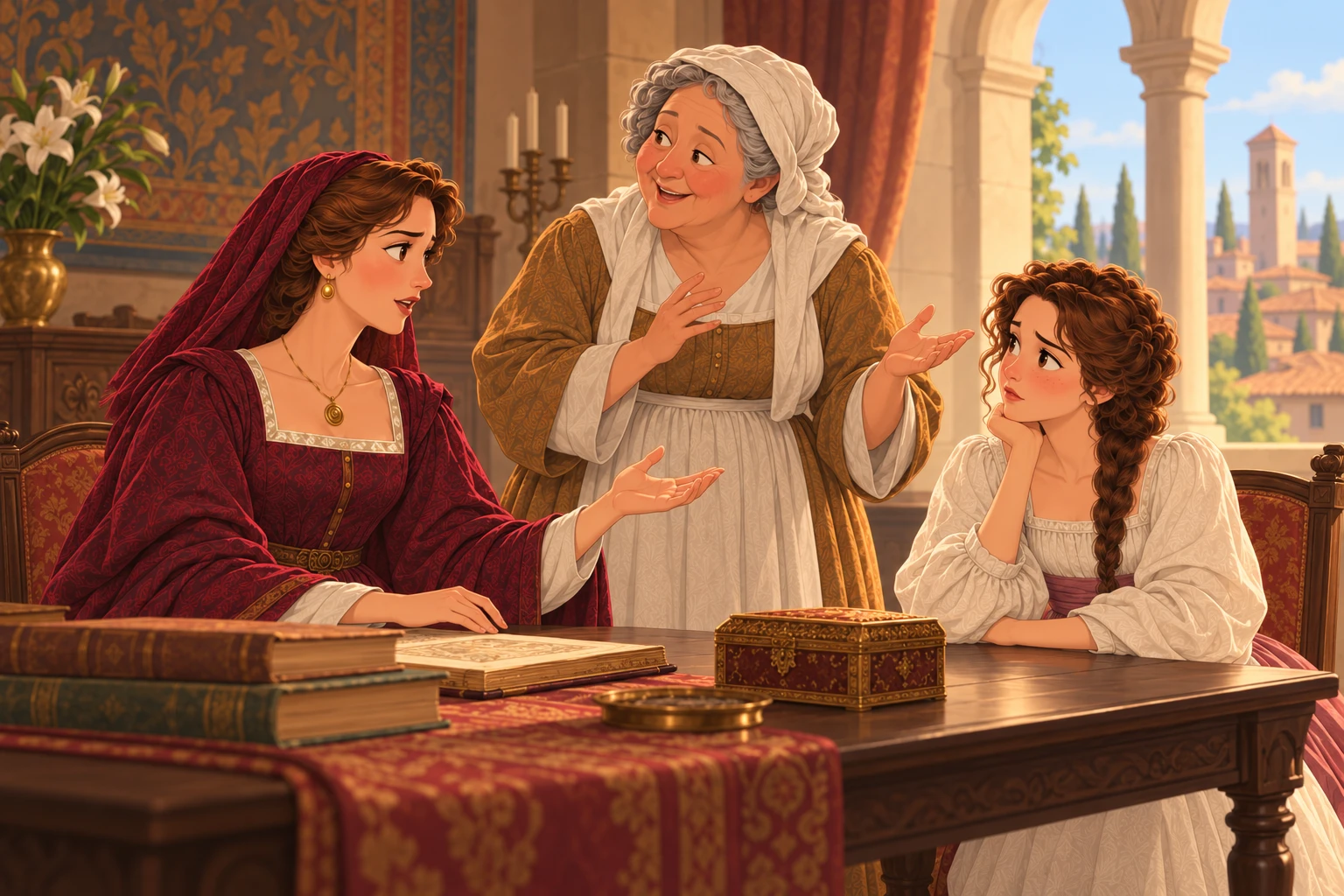
BENVOLIOI do but keep the peace, put up thy sword, Or manage it to part these men with me.
TYBALTWhat, drawn, and talk of peace? I hate the word As I hate hell, all Montagues, and thee: Have at thee, coward.
They fight.
Enter three or four Citizens with clubs.
FIRST CITIZENClubs, bills and partisans! Strike! Beat them down! Down with the Capulets! Down with the Montagues!
Enter Capulet in his gown, and Lady Capulet.
CAPULETWhat noise is this? Give me my long sword, ho!
LADY CAPULETA crutch, a crutch! Why call you for a sword?
CAPULETMy sword, I say! Old Montague is come, And flourishes his blade in spite of me.
Enter Montague and his Lady Montague.
MONTAGUEThou villain Capulet! Hold me not, let me go.
LADY MONTAGUEThou shalt not stir one foot to seek a foe.
Enter Prince Escalus, with Attendants.
PRINCERebellious subjects, enemies to peace, Profaners of this neighbour-stained steel,— Will they not hear? What, ho! You men, you beasts, That quench the fire of your pernicious rage With purple fountains issuing from your veins, On pain of torture, from those bloody hands Throw your mistemper’d weapons to the ground And hear the sentence of your moved prince. Three civil brawls, bred of an airy word, By thee, old Capulet, and Montague, Have thrice disturb’d the quiet of our streets, And made Verona’s ancient citizens Cast by their grave beseeming ornaments, To wield old partisans, in hands as old, Canker’d with peace, to part your canker’d hate. If ever you disturb our streets again, Your lives shall pay the forfeit of the peace. For this time all the rest depart away: You, Capulet, shall go along with me, And Montague, come you this afternoon, To know our farther pleasure in this case, To old Free-town, our common judgement-place. Once more, on pain of death, all men depart.
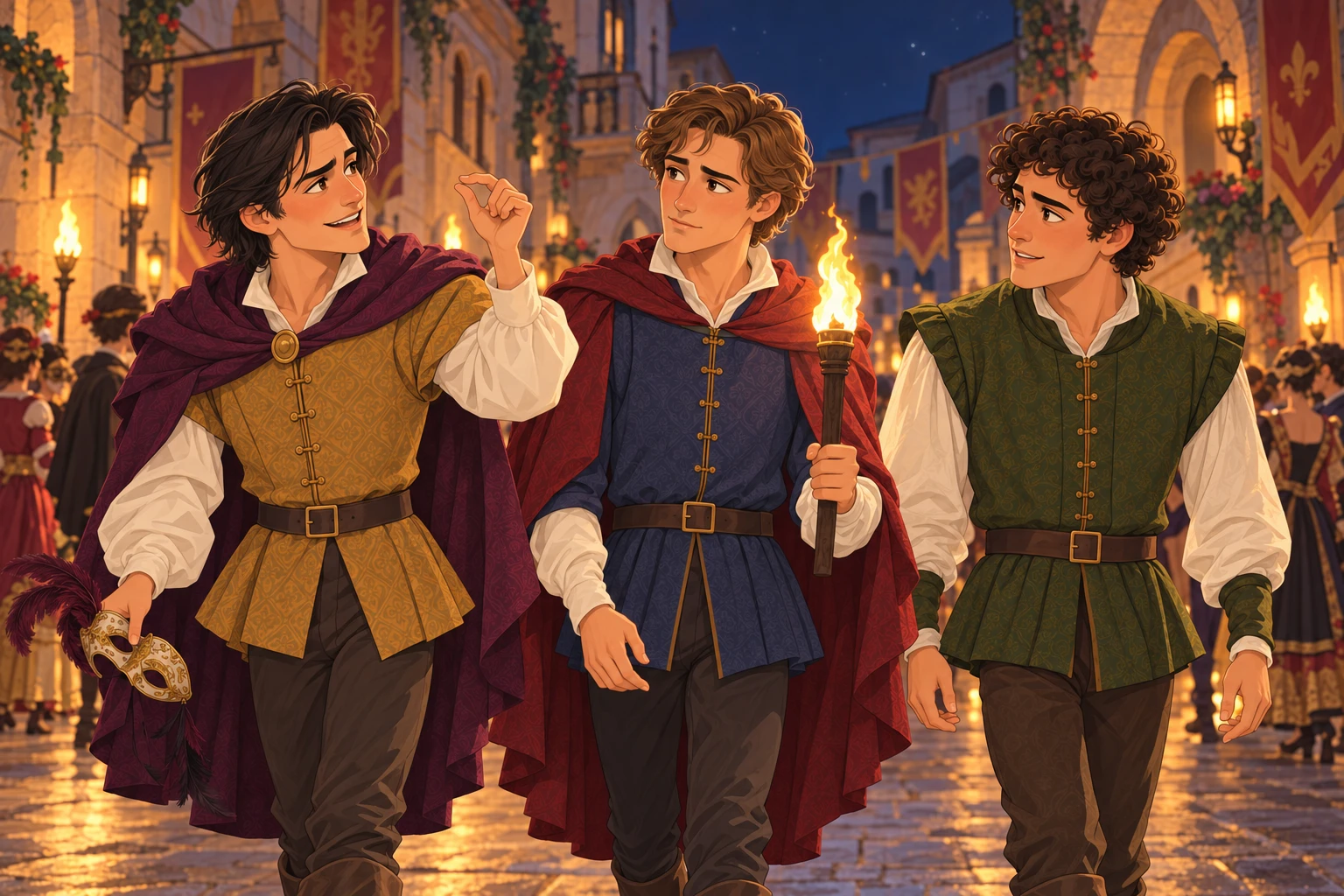
Exeunt Prince and Attendants; Capulet, Lady Capulet, Tybalt, Citizens and Servants.
MONTAGUEWho set this ancient quarrel new abroach? Speak, nephew, were you by when it began?
BENVOLIOHere were the servants of your adversary And yours, close fighting ere I did approach. I drew to part them, in the instant came The fiery Tybalt, with his sword prepar’d, Which, as he breath’d defiance to my ears, He swung about his head, and cut the winds, Who nothing hurt withal, hiss’d him in scorn. While we were interchanging thrusts and blows Came more and more, and fought on part and part, Till the Prince came, who parted either part.
LADY MONTAGUEO where is Romeo, saw you him today? Right glad I am he was not at this fray.
BENVOLIOMadam, an hour before the worshipp’d sun Peer’d forth the golden window of the east, A troubled mind drave me to walk abroad, Where underneath the grove of sycamore That westward rooteth from this city side, So early walking did I see your son. Towards him I made, but he was ware of me, And stole into the covert of the wood. I, measuring his affections by my own, Which then most sought where most might not be found, Being one too many by my weary self, Pursu’d my humour, not pursuing his, And gladly shunn’d who gladly fled from me.
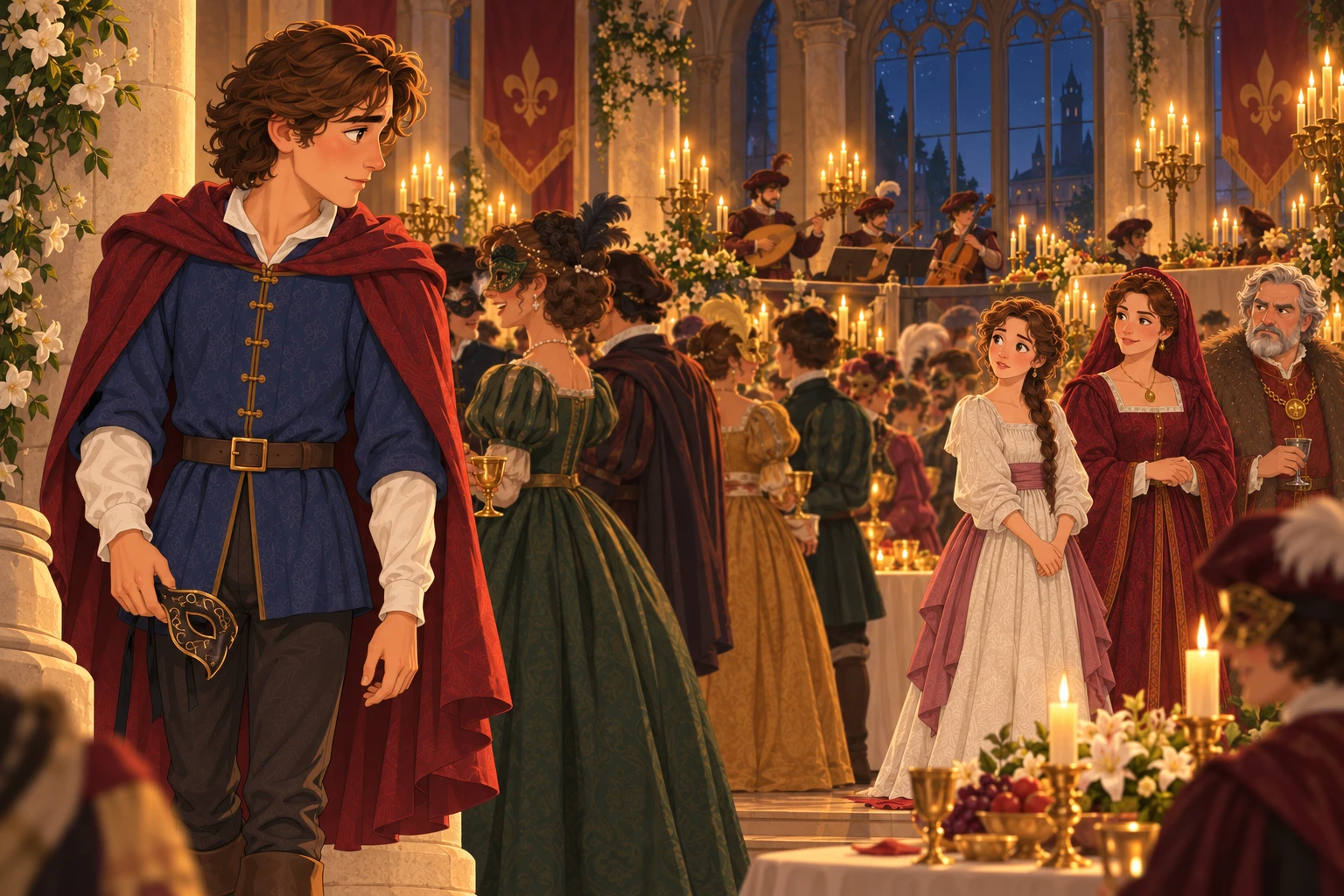
MONTAGUEMany a morning hath he there been seen, With tears augmenting the fresh morning’s dew, Adding to clouds more clouds with his deep sighs; But all so soon as the all-cheering sun Should in the farthest east begin to draw The shady curtains from Aurora’s bed, Away from light steals home my heavy son, And private in his chamber pens himself, Shuts up his windows, locks fair daylight out And makes himself an artificial night. Black and portentous must this humour prove, Unless good counsel may the cause remove.
BENVOLIOMy noble uncle, do you know the cause?
MONTAGUEI neither know it nor can learn of him.
BENVOLIOHave you importun’d him by any means?
MONTAGUEBoth by myself and many other friends; But he, his own affections’ counsellor, Is to himself—I will not say how true— But to himself so secret and so close, So far from sounding and discovery, As is the bud bit with an envious worm Ere he can spread his sweet leaves to the air, Or dedicate his beauty to the sun. Could we but learn from whence his sorrows grow, We would as willingly give cure as know.
Enter Romeo.
BENVOLIOSee, where he comes. So please you step aside; I’ll know his grievance or be much denied.
MONTAGUEI would thou wert so happy by thy stay To hear true shrift. Come, madam, let’s away,
Exeunt Montague and Lady Montague.
BENVOLIOGood morrow, cousin.
ROMEOIs the day so young?
BENVOLIOBut new struck nine.
ROMEOAy me, sad hours seem long. Was that my father that went hence so fast?
BENVOLIOIt was. What sadness lengthens Romeo’s hours?
End of preview
Keep reading the play?
Add it to your library and see the rest unfold in pictures and prose.
Also illustrated
Explore more illustrated classics.
Open any of them and start reading the same way.