Storieta
Try it free

Character guide

A Tale of Two Cities characters

Who's who in A Tale of Two Cities by Charles Dickens: meet the 13 main characters, see how they connect, and open a detailed profile for each.

13 illustrated profiles

Meet the cast

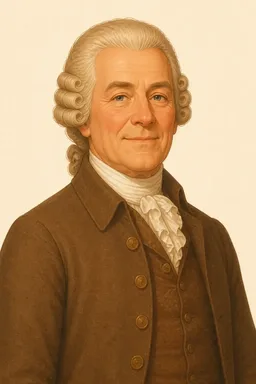
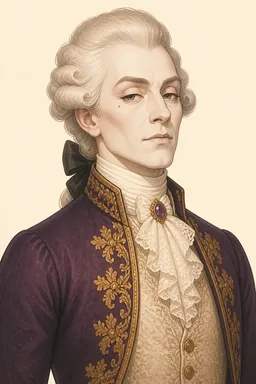
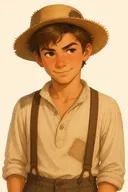
Portrait of Marquis St. Evrémonde from A Tale of Two Cities

Marquis St. Evrémonde

Also known as Monseigneur, Monsieur the Marquis, the Marquis, Monsieur the Marquis Evrémonde

Charles Darnay's cruel, coldly elegant uncle, an emblem of aristocratic oppression who runs down a peasant child in his carriage without remorse; he is assassinated in his bed in revenge.

Bonds:CharlesNephew and uncle

View character profile
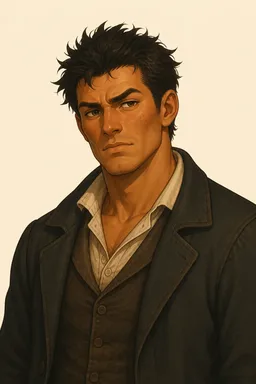
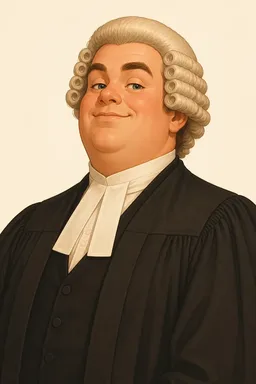
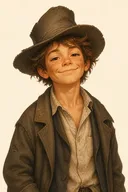
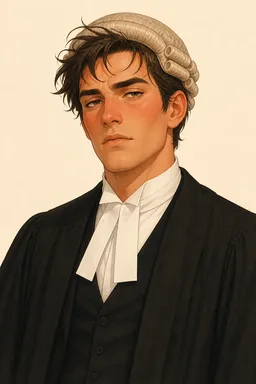
Portrait of Roger Cly from A Tale of Two Cities

Roger Cly

Also known as Cly, the virtuous servant

An informer and accomplice of John Barsad who poses as Darnay's honest servant to give false testimony; he stages a sham funeral to fake his own death and continues spying for the authorities.

Bonds:JohnCriminal partners

View character profile
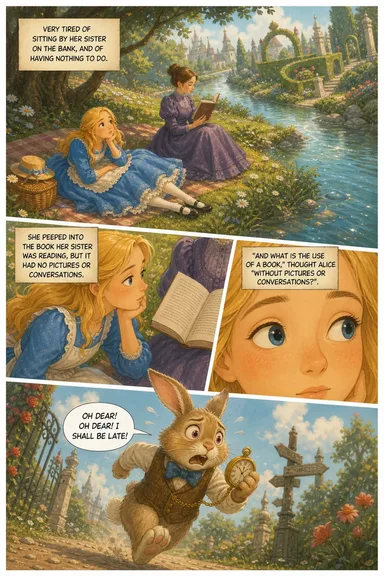
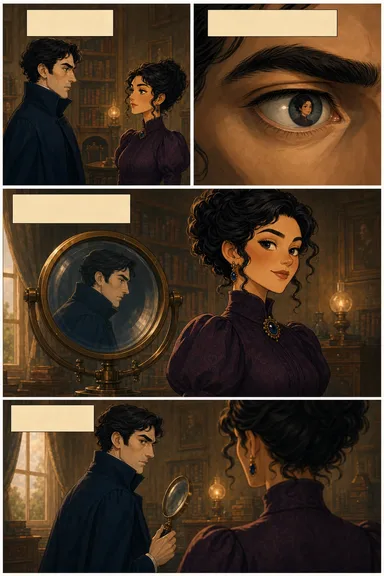
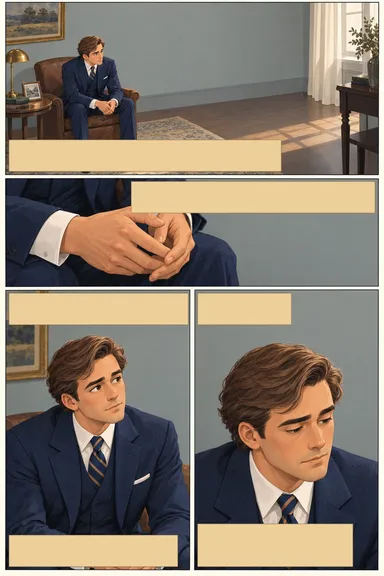
A drawn page from the comic edition of Alice's Adventures in WonderlandA drawn page from the comic edition of The Adventures of Sherlock HolmesA drawn page from the comic edition of The Great Gatsby

Never lose track of a character again.

Storieta keeps this cast at your side while you read A Tale of Two Cities, portraits, names, and an ask-anything assistant that only knows what you've read so far. No spoilers, ever.

Explore the book page for A Tale of Two Cities and read the opening free, with no account needed.

The story these characters live in

A Tale of Two Cities is historical fiction set between London and France in 1775, a time of political confidence, social disorder, and mounting danger. Dickens presents England and France alike as places where robbery, armed violence, mistrust, harsh punishment, and public executions have become part of ordinary life. Against this unsettled background, the book follows people moving through roads, cities, and institutions shaped by power and fear. Its atmosphere is especially vivid on the Dover road, where a mail coach struggles through mud and mist while passengers, guard, and approaching rider suspect one another. The French Revolution stands as the larger historical shadow over this world, alongside themes of war, justice, and the human cost of authority.

The prose is dramatic, richly descriptive, and often ironic, balancing sweeping contrasts with sharply observed details: exhausted horses, loaded weapons, cold fog, and the nervous silence of travelers. Dickens writes with the expansive energy of a nineteenth-century novelist, using memorable imagery and formal, period-inflected language to turn roads, prisons, courts, and public punishments into charged settings. It will suit readers drawn to historical fiction, revolutionary France, eighteenth-century London, suspenseful journeys, and morally serious stories about violence, loyalty, and social upheaval.
More character guides

Every cast illustrated from the original text.

Browse all character guides