Storieta
Sign up
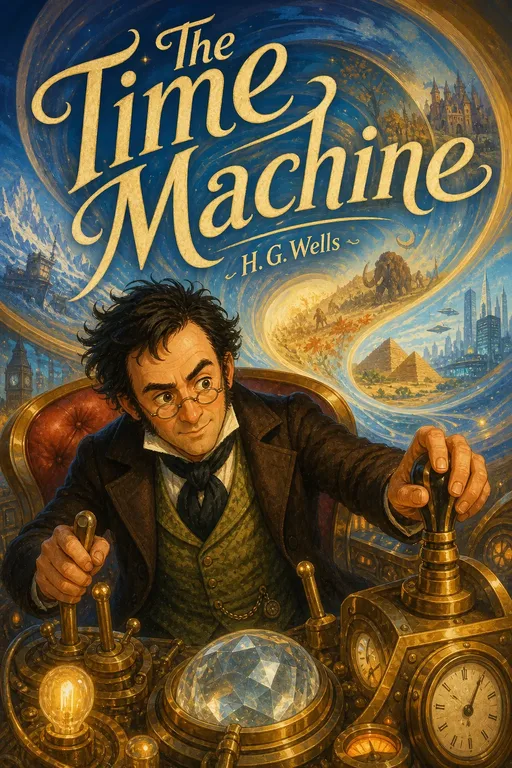
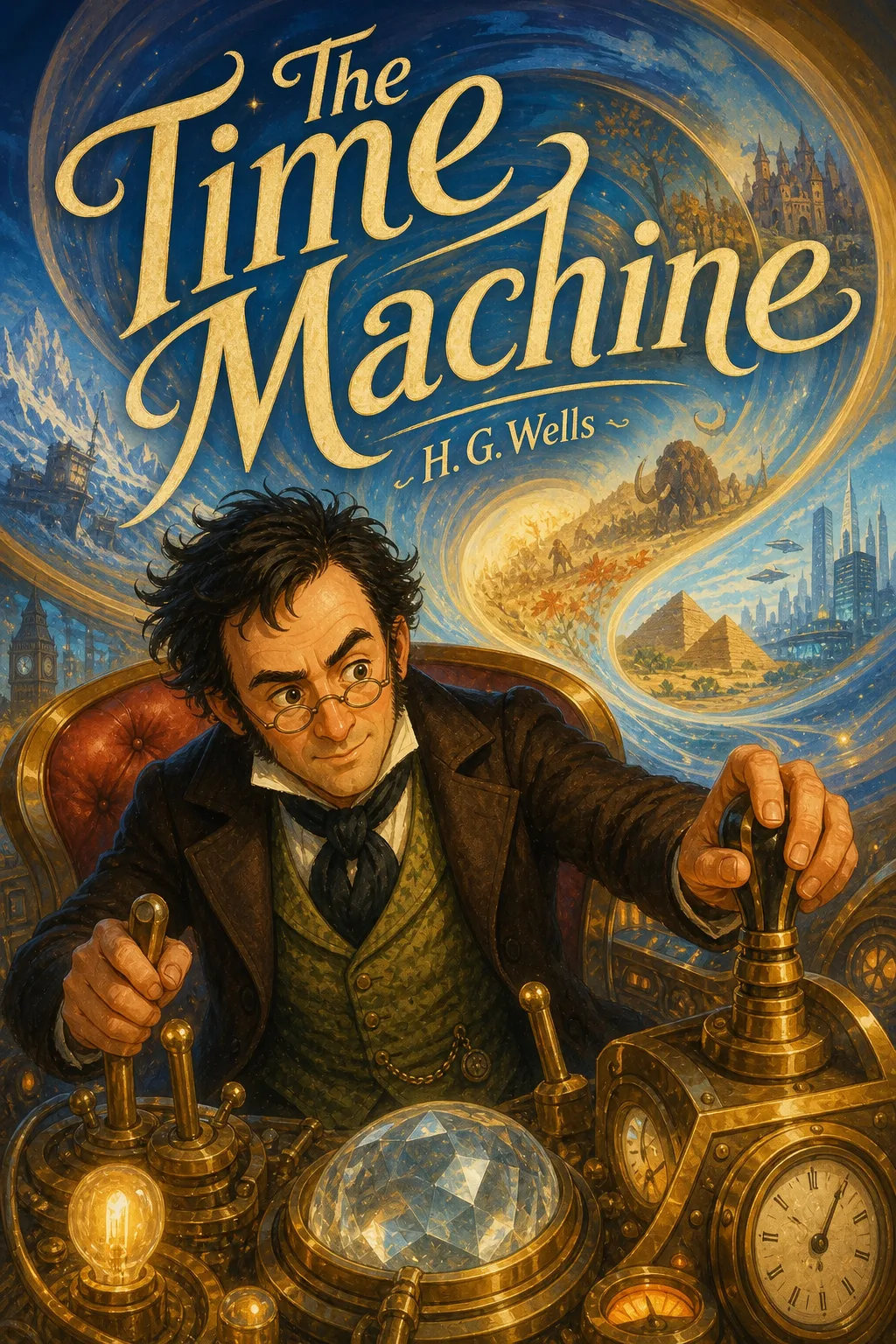
Cover of The Time Machine, comic edition

The Time Machine

by H. G. Wells1895

A dinner-party argument about the fourth dimension, settled with a working prototype.
The story opens

Cover of The Time Machine, comic edition
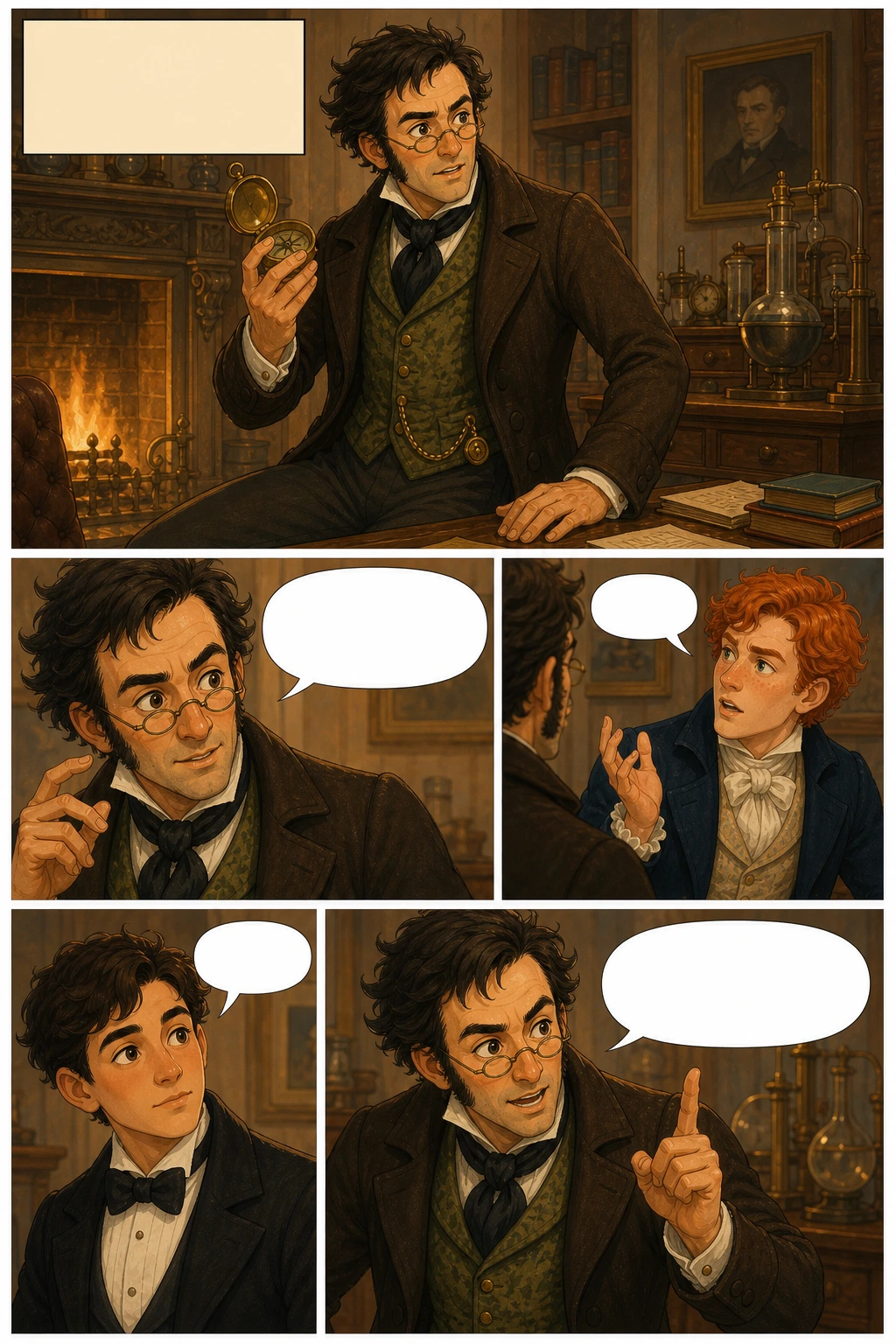
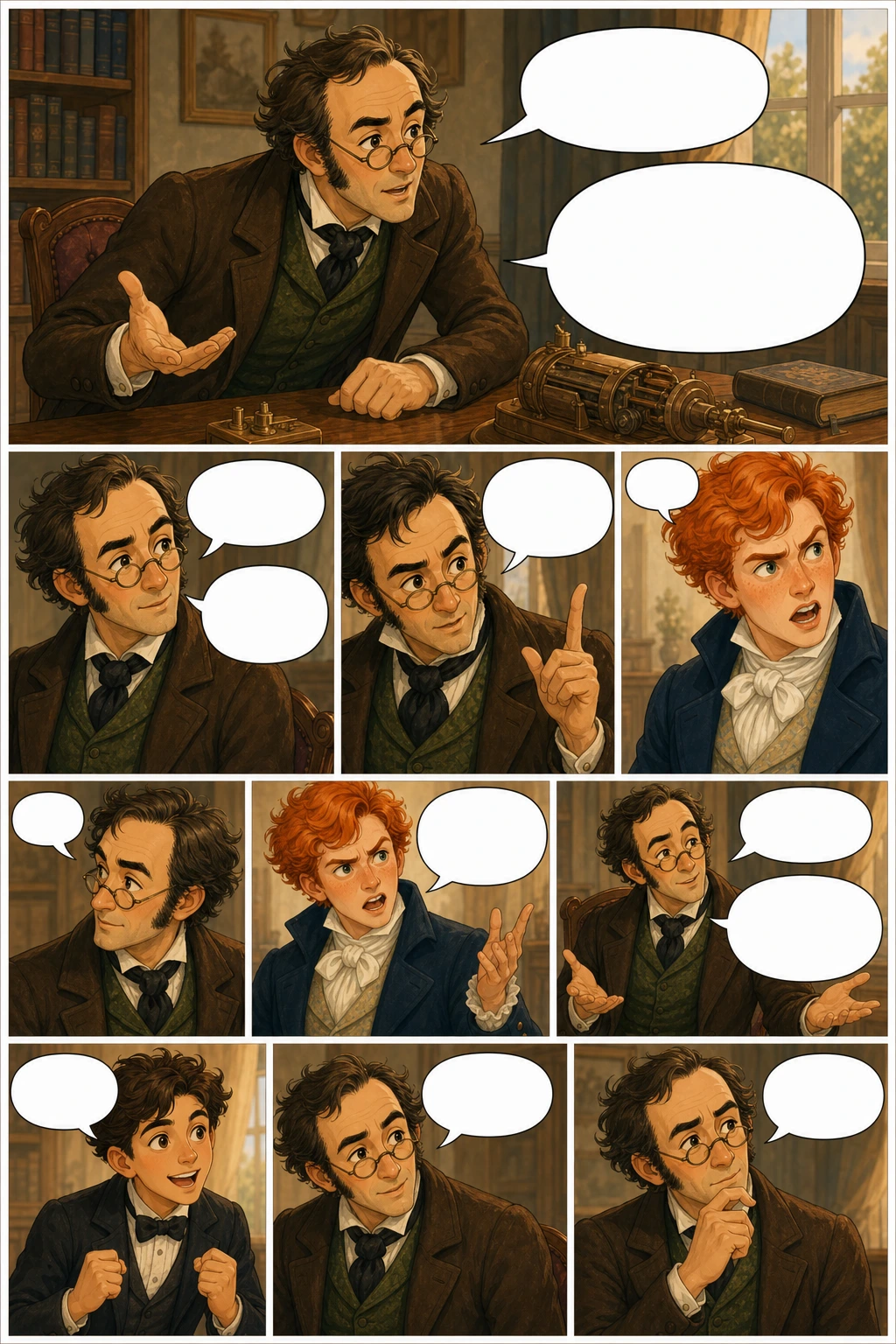
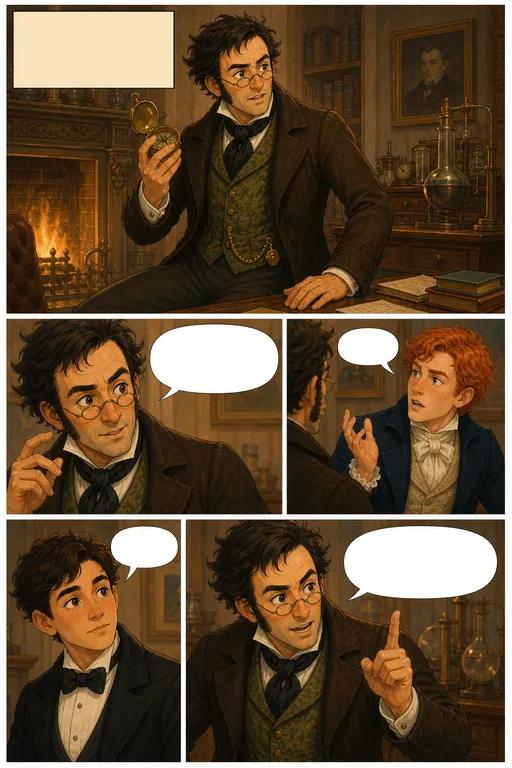
The Time Machine, illustrated page 1: The Time Traveller (for so it will be convenient to speak of him) was expounding a recondite matter to us.
The Time Traveller (for so it will be convenient to speak of him) was expounding a recondite matter to us.
You must follow me carefully. I shall have to controvert one or two ideas that are almost universally accepted.
Is not that rather a large thing to expect us to begin upon?
That is all right.
The geometry, for instance, they taught you at school is founded on a misconception.
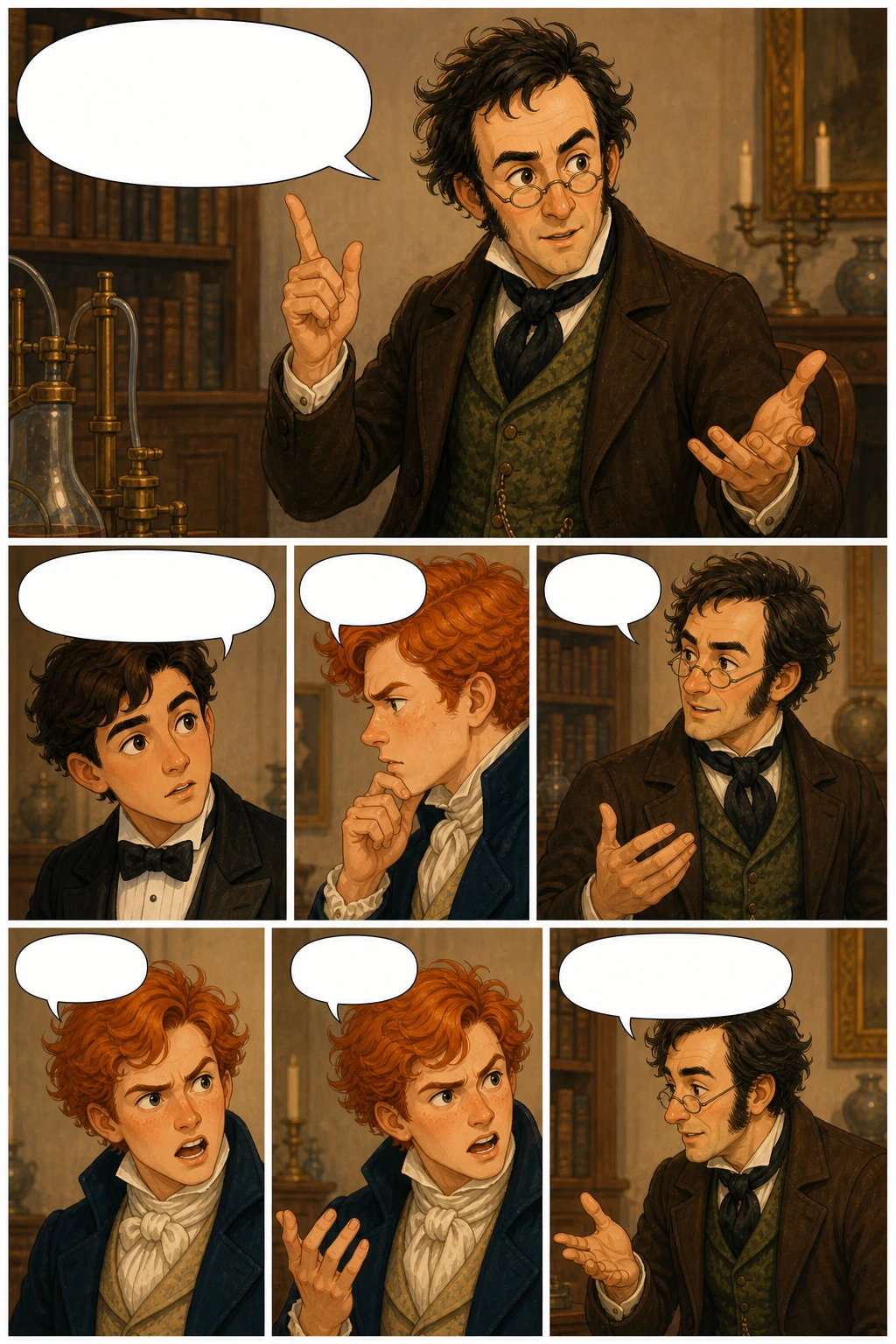
The Time Machine, illustrated page 2: You know of course that a mathematical line, a line of thickness nil, has no real existence.
You know of course that a mathematical line, a line of thickness nil, has no real existence.
Nor, then, can a cube exist without duration?
There I object.
Real things must last.
Can an instantaneous cube exist?
Don’t follow you.
A cube that lasts no time at all is no cube.
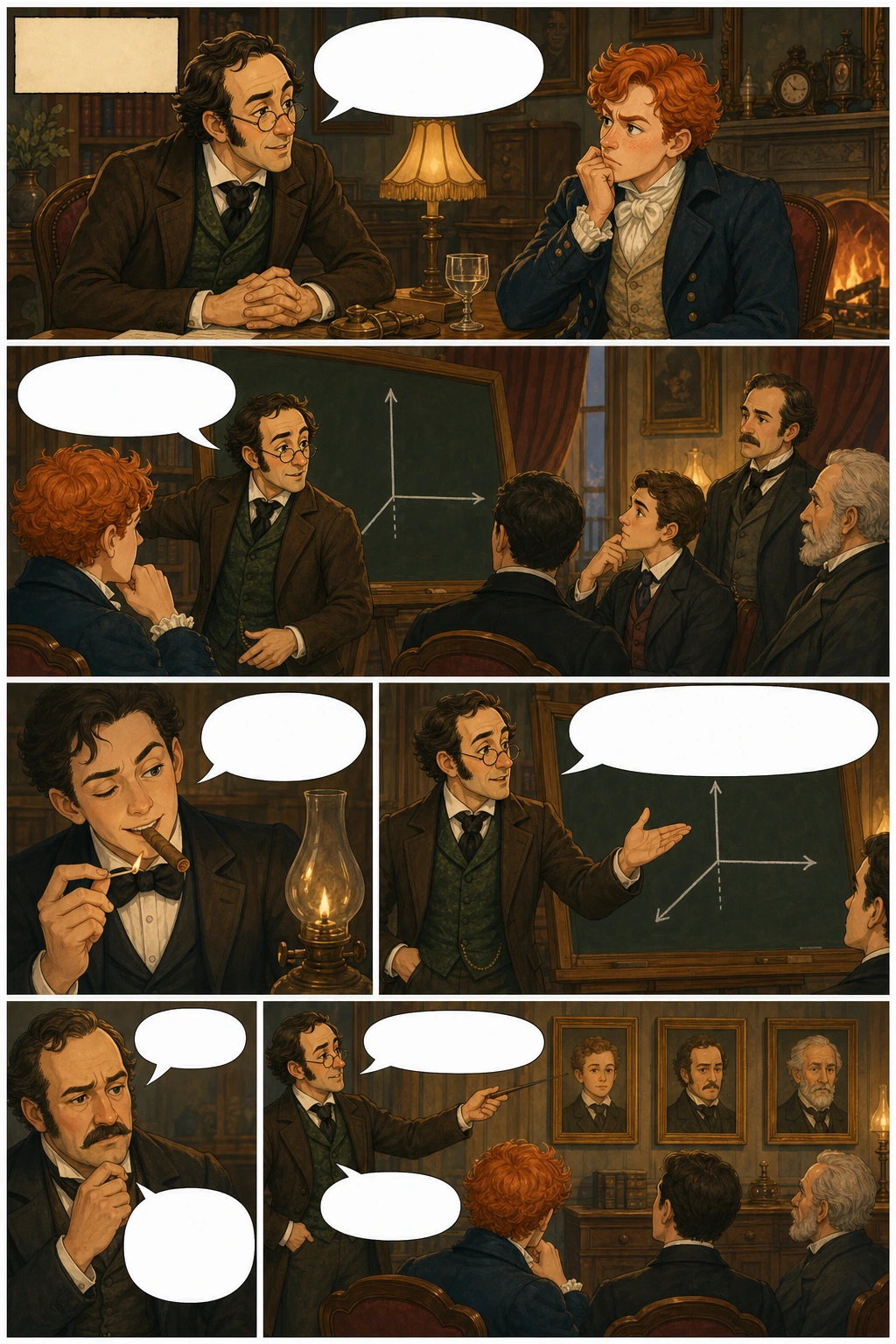
The Time Machine, illustrated page 3: Filby had no answer.
Filby had no answer.
Any real body must have extension in four directions: Length, Breadth, Thickness, and—Duration.
There are really four dimensions, three which we call the three planes of Space, and a fourth, Time.
That is clear enough.
There is no difference between Time and any of the three dimensions of Space except that our consciousness moves along it.
I think so.
Yes, I think I see it now.
Here is a portrait of a man at eight years old, another at fifteen, another at seventeen.
All these are evidently sections of his Four-Dimensioned being.
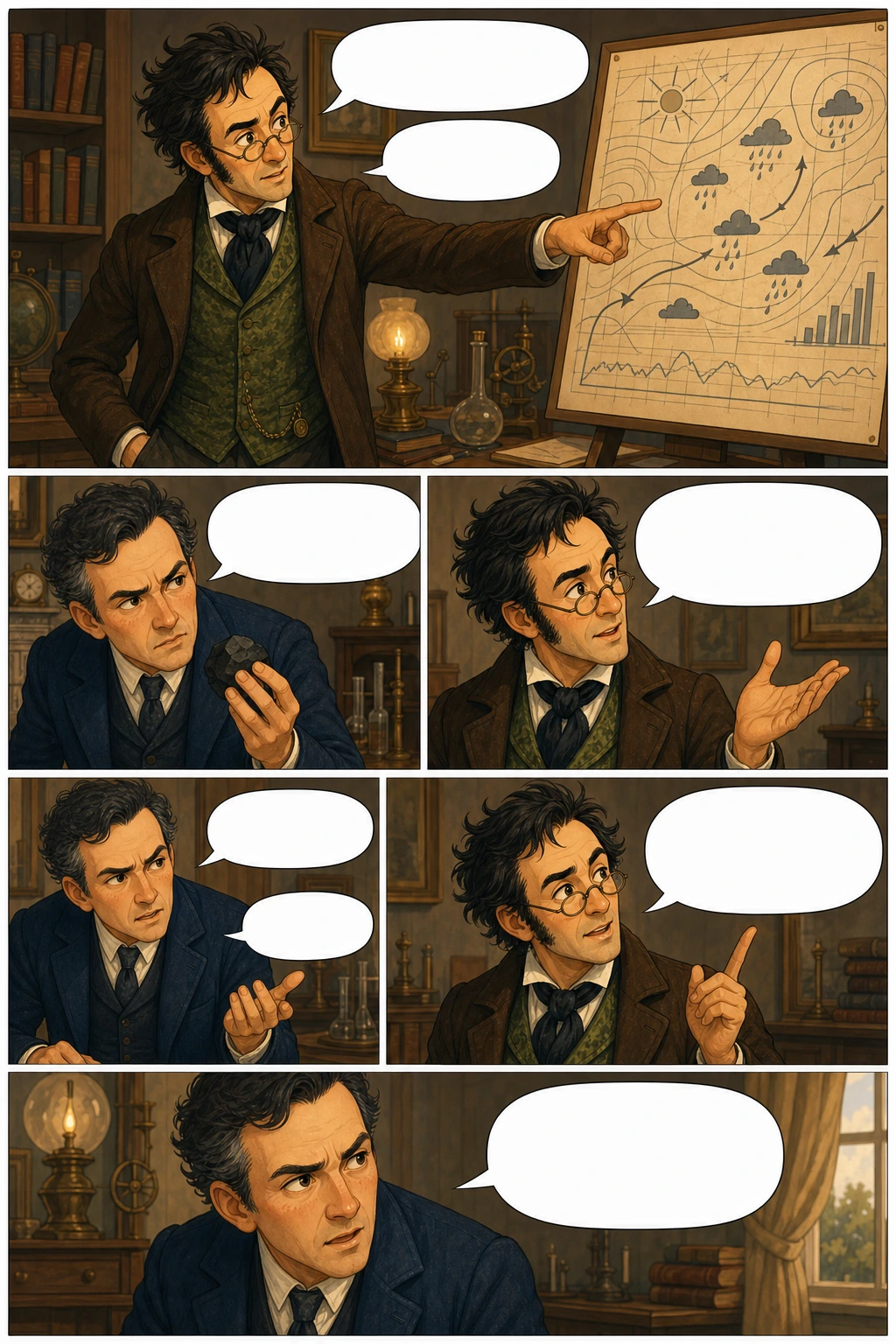
The Time Machine, illustrated page 4: Scientific people know very well that Time is only a kind of Space.
Scientific people know very well that Time is only a kind of Space.
Here is a popular scientific diagram, a weather record.
If Time is really only a fourth dimension of Space, why is it regarded as something different?
Are you so sure we can move freely in Space? Right and left we can go, backward and forward freely enough.
Not exactly.
There are balloons.
Before balloons, we could only jump.
Easier, far easier down than up.
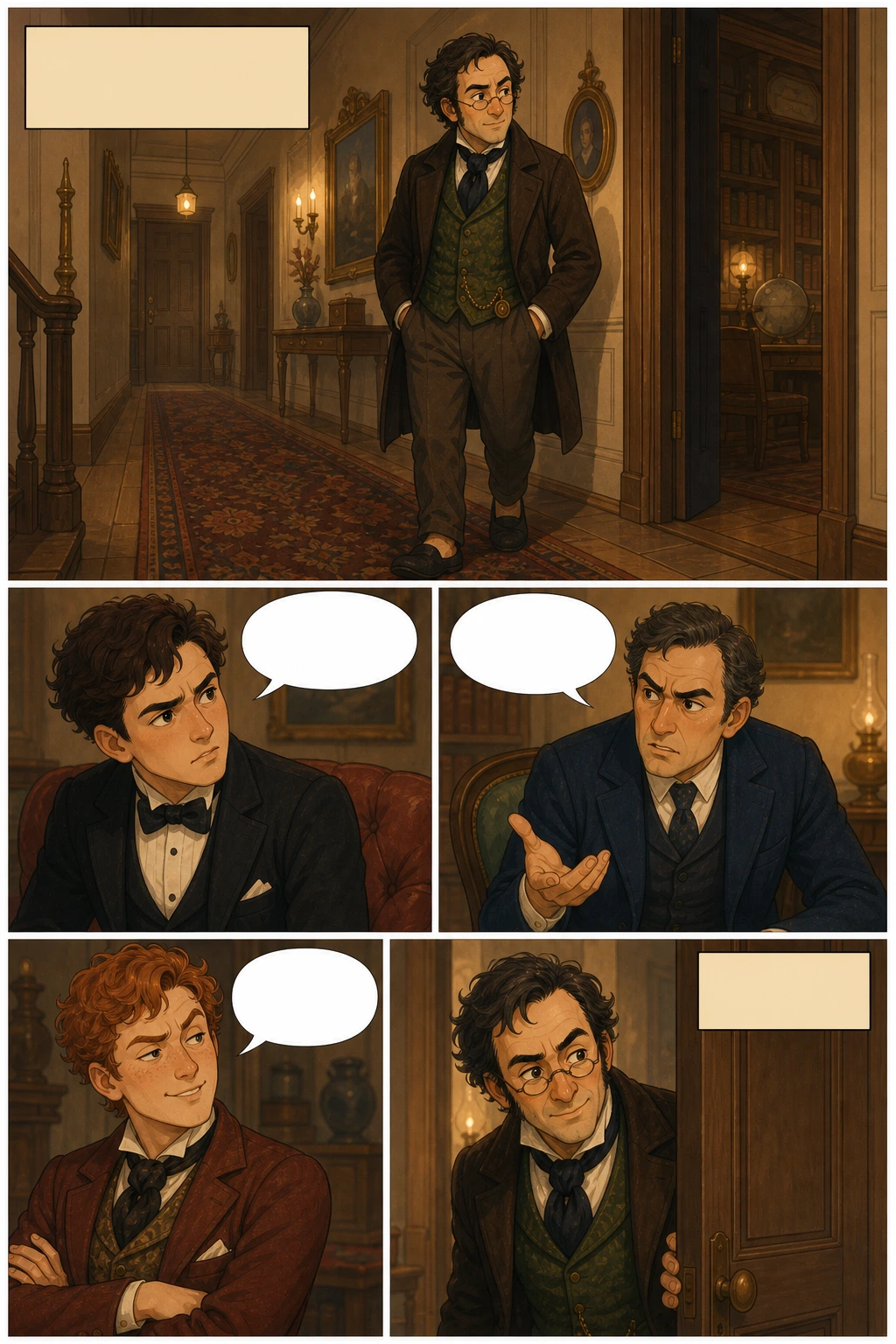
The Time Machine, illustrated page 5: But the great difficulty is this.
But the great difficulty is this.
You can move about in all directions of Space, but you cannot move about in Time.
That is the germ of my great discovery.
But you are wrong to say that we cannot move about in Time.
If I am recalling an incident very vividly I go back to the instant of its occurrence.
You cannot.
Why not?
You can show black is white by argument, but you will never convince me.
Possibly not.
But now you begin to see the object of my investigations into the geometry of Four Dimensions.
To travel through Time!
I have experimental verification.
It would be remarkably convenient for the historian.
The Time Machine, illustrated page 6: The Time Traveller smiled round at us, then walked slowly out of the room, and we heard his slippers shuffling down the long passage to his laboratory.
The Time Traveller smiled round at us, then walked slowly out of the room, and we heard his slippers shuffling down the long passage to his laboratory.
I wonder what he’s got?
Some sleight-of-hand trick or other.
Let’s see your experiment anyhow.
He returned, and Filby’s anecdote collapsed.
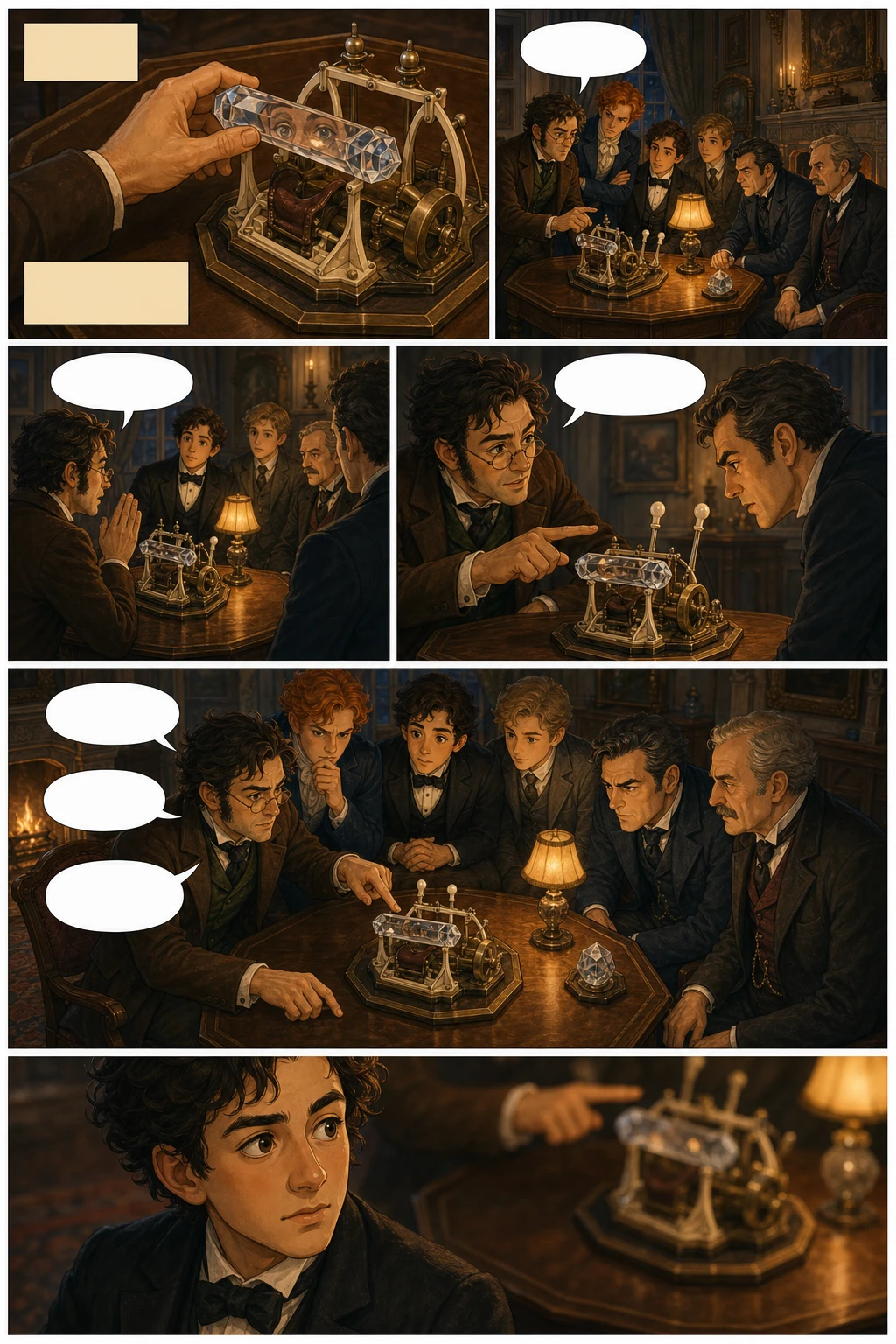
The Time Machine, illustrated page 7: The thing the Time Traveller held in his hand…
The thing the Time Traveller held in his hand…
…was a glittering metallic framework, scarcely larger than a small clock.
This little affair is only a model.
It is my plan for a machine to travel through time.
Also, here is one little white lever, and here is another.
Presently I am going to press the lever, and off the machine will go.
It will vanish, pass into future Time, and disappear.
Have a good look at the thing.
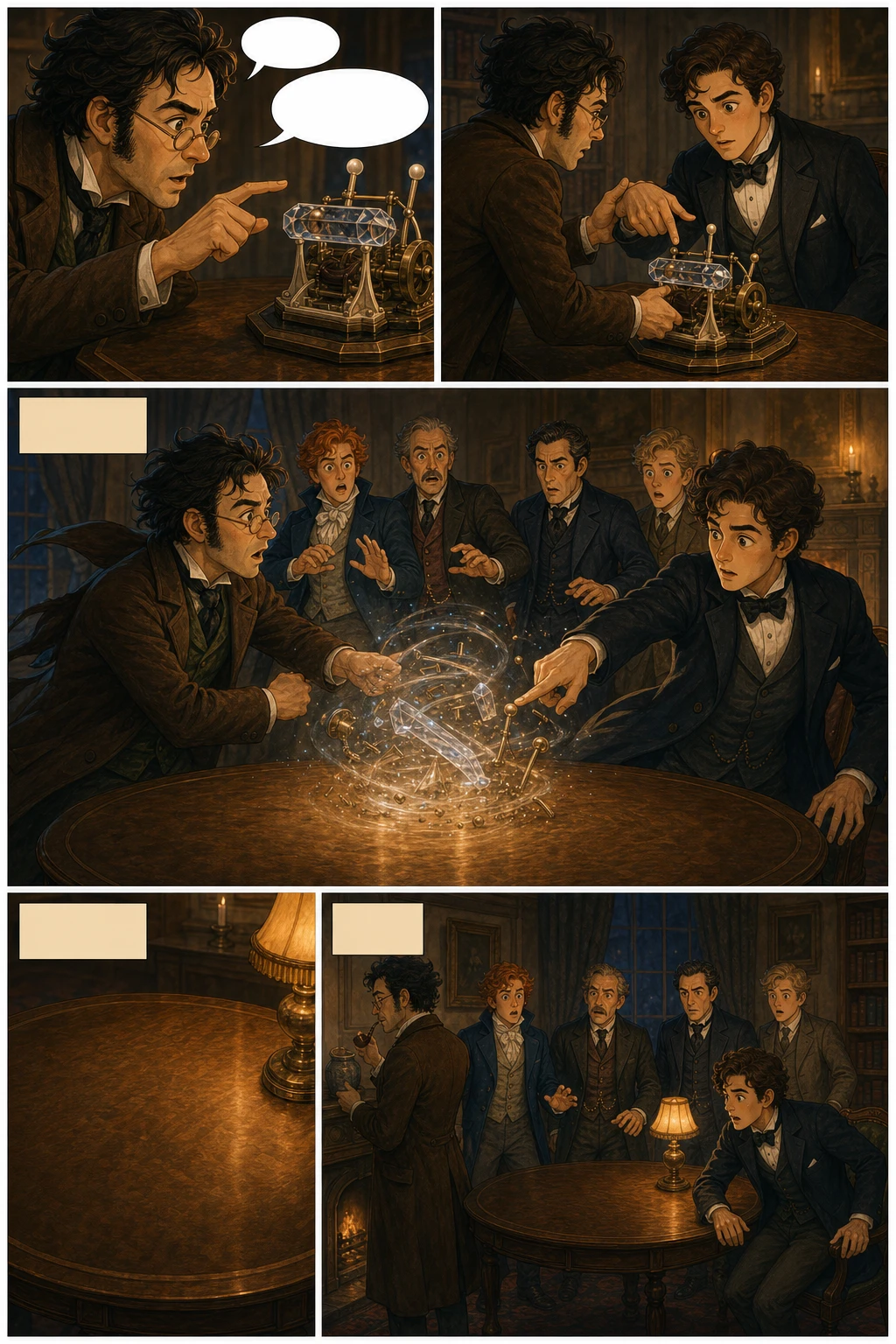
The Time Machine, illustrated page 8: No.
No.
Lend me your hand.
I am absolutely certain there was no trickery.
Everyone was silent for a minute.
We stared at each other.

End of the free preview
A drawn page from the comic edition of A Christmas CarolA drawn page from the comic edition of The Adventures of Sherlock HolmesA drawn page from the comic edition of Romeo and Juliet

Unlock the complete comic.

A free account comes with the credits to unlock this complete edition and keep it in your library.

How the cast of The Time Machine connects

Drawn from who shares scenes with whom in the original text. Each bond is labeled from the pair's first scene together, so the map stays spoiler-light.

The Time Traveller ↔ Weena: CompanionsThe Time Traveller ↔ The Morlocks: AdversariesThe Time Traveller ↔ The Medical Man: AcquaintancesThe Time Traveller ↔ The Psychologist: AcquaintancesThe Time Traveller ↔ Filby: FriendsCOMPANIONSADVERSARIESACQUAINTANCESFRIENDSFilbyThe Medical ManThe PsychologistThe Time TravellerWeenaThe Morlocks

Meet all 8 characters, including 2 not on the map

About The Time Machine

The novel unfolds as a speculative dialogue among a small circle of Victorian gentlemen gathered around a fire, where the enigmatic Time Traveller proposes a radical re‑examination of geometry and the nature of existence. By treating time as a fourth spatial dimension, he challenges the accepted limits of perception and hints at a contrivance capable of moving beyond the ordinary flow of moments. The narrative proceeds from philosophical debate to the unveiling of a delicate, clock‑like apparatus, setting the stage for an experiment that promises to breach the barrier between past, present, and future. This blend of scientific speculation and imaginative engineering situates the work firmly within the science‑fiction tradition while retaining the hallmarks of a dystopian meditation on humanity’s relationship to progress.

Wells’s prose is marked by a measured, almost conversational cadence that reflects the late‑nineteenth‑century salon atmosphere he recreates. The language is precise yet lyrical, weaving technical exposition with the quirks of his characters’ personalities. Readers who relish intellectual puzzles, enjoy early speculative fiction, and appreciate a measured, dialogue‑driven style will find the book’s blend of philosophical inquiry and narrative intrigue compelling.

The Time Machine by H. G. Wells its book page, where the opening is free to read with no account.

More illustrated classics

Every one opens with a free preview.

Illustrated openings drawn page by page. No signup to start reading.
Browse all illustrated classics

Keep reading in Storieta15 pages free · Complete comic unlocks once with creditsSign up free